




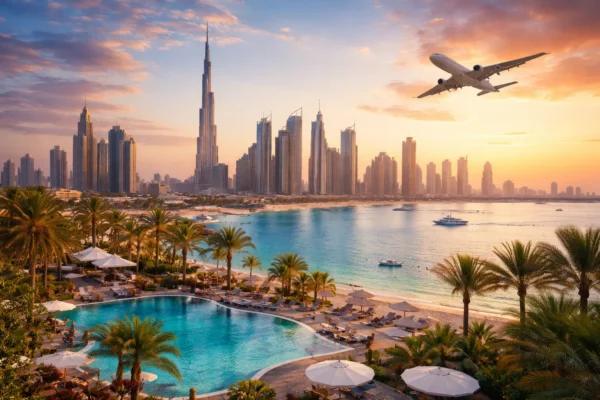





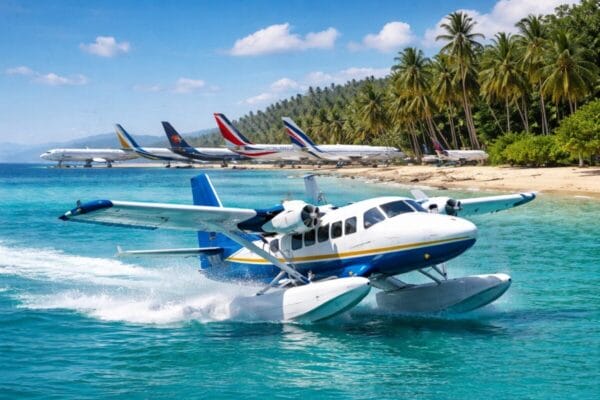
India is preparing for a major shift in aviation and tourism. Air India, along with leading international carriers such as Qatar Airways, Singapore Airlines, Emirates, British Airways, and Etihad Airways, is planning to introduce water runway operations using amphibious aircraft. This initiative aims to improve connectivity to remote coastal regions, island destinations, and scenic waterways.
The move signals a new phase for Indian tourism. Travelers could soon reach destinations that currently require long road journeys or multiple flight connections. Seaplane operations promise faster travel, better accessibility, and a unique flying experience over India’s landscapes.
Government aviation strategies have already highlighted regional connectivity and infrastructure expansion as key priorities. Water-based aviation fits well into this vision by using natural water bodies as operational hubs.
Amphibious Aircraft to Redefine Travel
Amphibious aircraft can take off and land on both water and traditional runways. These planes allow airlines to serve destinations where building large airports is difficult or expensive.
India’s vast coastline, rivers, and island territories make it ideal for seaplane networks. Coastal hubs such as Mumbai, Goa, Kochi, and island groups like Andaman and Nicobar or Lakshadweep could become central routes.
Travelers can expect shorter transit times and scenic aerial views. Instead of landing at distant airports, passengers could arrive directly near resorts, beaches, or waterfront cities. This reduces travel fatigue and makes weekend or short-duration trips more practical.
Industry experts believe amphibious aviation could also support eco-sensitive tourism by reducing the need for large-scale infrastructure development in fragile environments.
Global Airlines Drive the Expansion
Several international airlines are showing strong interest in India’s water runway initiative. Their participation reflects growing confidence in India as a high-potential tourism market.
Air India’s domestic network gives it an advantage in linking major cities with smaller coastal locations. International carriers bring long-haul connectivity, allowing foreign travelers to reach beach and island destinations faster.
Luxury-focused airlines aim to offer premium travel experiences with comfortable cabins, panoramic views, and seamless transfers. At the same time, regional services could make seaplane travel accessible to domestic tourists as well.
The combined expertise of multiple global carriers could accelerate operational standards, safety measures, and service innovation in this new segment.
Tourism and Hospitality Sector Anticipates Growth
The hospitality industry expects strong benefits from improved connectivity. Resorts in Kerala’s backwaters, Goa’s beaches, and remote island properties are preparing for increased visitor numbers.
Seaplane access can make previously overlooked locations more attractive to travelers. Boutique hotels, homestays, and mid-range accommodations may see new demand as travelers explore beyond traditional tourist hubs.
Local economies stand to gain through increased employment opportunities, better transport links, and year-round visitor flows. Tourism boards have increasingly promoted sustainable travel experiences, and seaplane routes could support this by spreading visitors across more regions.
Easier Access for International Tourists
International travelers often face long transfers after arriving in India. Seaplane connections could reduce this challenge by linking major gateway cities with coastal and island destinations.
Travelers from Europe, the Middle East, and Southeast Asia may benefit the most. Direct connections to scenic locations can simplify travel planning and encourage multi-destination itineraries within India.
This new aviation model may also support niche travel segments such as luxury holidays, adventure tourism, wellness retreats, and eco-tourism experiences.
A New Style of Travel Experience
Seaplane journeys are not just about convenience. They create a different type of travel experience. Passengers enjoy lower-altitude flights with sweeping views of coastlines, rivers, and islands.
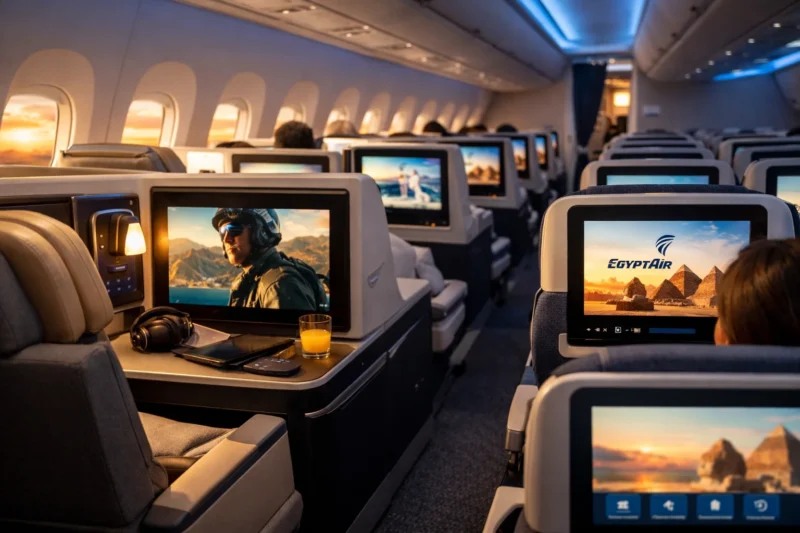
Cabins are designed for short to medium routes. Travelers can expect comfortable seating, faster boarding processes, and smaller passenger groups. Some operators may offer premium packages that combine flights with curated tourism experiences.
For many visitors, the journey itself could become a highlight of the trip rather than just a means of transport.
Travel Tips for Seaplane Passengers
Travelers planning to use amphibious aircraft services should keep a few points in mind:
- Arrive early for check-in and safety procedures.
- Monitor weather updates, as water operations depend on conditions.
- Pack light since smaller aircraft may have baggage limits.
- Book tickets early during peak travel seasons.
- Respect local culture when visiting remote communities.
Future Outlook for India’s Tourism Landscape
India’s tourism sector continues to evolve with infrastructure upgrades and innovative transport solutions. Water runway projects represent a strategic effort to unlock new destinations while improving travel efficiency.
If implemented successfully, seaplane networks could transform how visitors explore India. Remote beaches, hidden backwaters, and island ecosystems may soon become easier to access without long travel times.
As airlines prepare for operations, the initiative signals a broader shift toward diversified aviation options. For travelers, this means more routes, new experiences, and a chance to see India from an entirely new perspective.
For more travel news like this, keep reading Global Travel Wire