A scheduled domestic flight turned into an unexpected travel disruption after severe weather conditions forced an IndiGo aircraft to divert to Imphal. The incident affected more than 140 passengers and highlighted the challenges of flying during unpredictable weather in Northeast India. While the diversion caused delays, aviation safety protocols ensured a secure outcome for travelers onboard.
Here is a complete overview of what happened, why the diversion became necessary, and what stranded passengers can expect next.
Severe Weather Forces Emergency Operational Decision
IndiGo flight 6E-6457 was operating on its route from Ahmedabad to Dibrugarh with a scheduled stop in Guwahati. However, deteriorating weather conditions over Dibrugarh created safety concerns during the aircraft’s final approach.
Dense haze and reduced visibility made landing conditions unsafe. Aviation rules require pilots to maintain specific visibility limits to ensure a safe landing. When weather drops below these limits, crews must choose alternate airports.
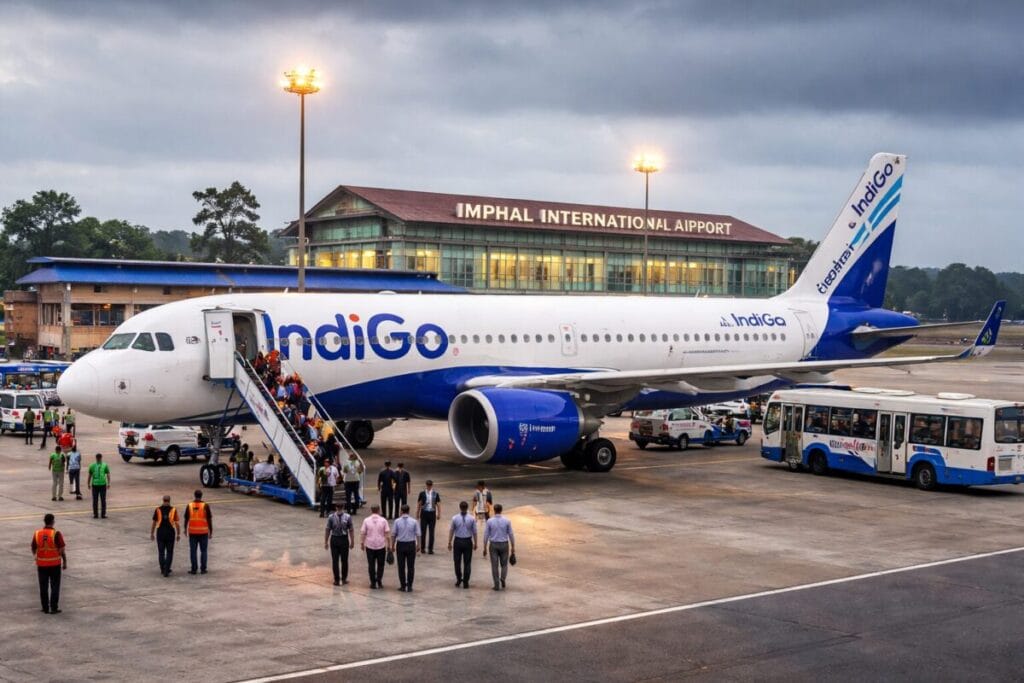
The Airbus A320neo aircraft attempted to continue toward its destination but eventually diverted to Imphal International Airport in Manipur. The decision followed established safety procedures designed to protect passengers and crew.
Flight diversions due to visibility issues are common in regions prone to sudden weather shifts. Northeast India often experiences fog, haze, and changing wind patterns that affect aviation operations.
Safety Protocols and Pilot Decision-Making
Airline crews follow strict operational guidelines when facing hazardous weather. These protocols prioritize safety over schedules or passenger convenience.
Pilots rely on real-time updates from air traffic control, weather radar, and onboard systems. When visibility drops below safe thresholds, continuing an approach becomes risky.
Diversion airports are selected based on proximity, weather conditions, and infrastructure readiness. In this case, Imphal offered better visibility and suitable runway facilities, making it the safest alternative.
The quick response prevented potential risks associated with landing in unstable weather.
Imphal International Airport Steps In
Imphal International Airport played a crucial role in handling the diverted flight. Despite not being part of the original route, airport authorities accommodated the aircraft without disruption.
Ground staff assisted passengers immediately after arrival. Refreshments and travel updates helped ease the unexpected delay. The airport also supported refueling operations so that the aircraft could resume travel when conditions improved.
Imphal’s operational capacity allowed it to manage a large narrow-body aircraft smoothly. This reflects the growing importance of regional airports in handling emergencies and diversions across India’s aviation network.
Passenger Experience During the Diversion
For many travelers onboard, the diversion came as a surprise. Flight crews informed passengers about the weather situation and explained the safety reasons behind the decision.
Clear communication helps reduce anxiety during unexpected changes. Airline staff coordinated with airport teams to ensure travelers received timely information.
While diversions often cause frustration, they remain essential safety measures. Most passengers accepted the situation once they understood the weather-related risks.
Current Status and Operational Updates
After landing in Imphal, the aircraft underwent refueling and operational checks. Airline teams monitored weather updates from Dibrugarh closely to determine the next step.
Visibility conditions continued to influence scheduling decisions. Air traffic control and airline operations teams evaluated whether the aircraft could proceed to Dibrugarh later or required further adjustments.
Travelers were advised to remain flexible, as weather disruptions can extend delays or alter travel plans unexpectedly.
Passenger Options During Flight Disruptions
Airlines typically provide several solutions when flights face significant delays or diversions. IndiGo informed affected passengers about available choices.
Alternate Flights
Travelers who preferred not to wait could request rebooking on alternate flights, depending on seat availability and operational feasibility.
Refund Requests
Passengers unwilling to continue their journey due to delays could apply for a full refund under disruption policies.
Wait for Original Journey
Some passengers chose to remain with the diverted aircraft and continue once weather conditions improved.
These options give travelers control over their travel decisions during unforeseen events.
Why Northeast India Sees Frequent Weather Challenges
Air travel in Northeast India faces unique environmental factors. The region’s geography includes hills, rivers, and dense vegetation, which influence weather patterns.
Seasonal fog, haze, and sudden cloud formations often reduce visibility at airports. Monsoon effects and winter atmospheric conditions also create operational challenges.
Airports and airlines in the region rely on advanced navigation systems and strict safety rules to handle these issues.
Travel Tips for Passengers During Diversions
Unexpected flight changes can be stressful, but preparation helps minimize inconvenience.
- Monitor real-time flight updates regularly.
- Stay connected with airline customer support.
- Keep identification and booking details accessible.
- Charge mobile devices during waiting periods.
- Remain patient, as safety decisions take priority.
Being informed allows travelers to make quick decisions about rebooking or refunds.
Impact on Tourism and Regional Connectivity
Flight diversions highlight the importance of strong aviation infrastructure across smaller airports. Improved facilities at regional hubs like Imphal ensure safer travel during emergencies.
Tourism in Northeast India continues to grow, with increasing flight connectivity linking major cities to remote destinations. Reliable airport networks help maintain traveler confidence even during disruptions.
Final Thoughts
The diversion of IndiGo flight 6E-6457 demonstrates how aviation safety systems work under pressure. Severe weather prevented a safe landing at Dibrugarh, but quick decision-making ensured passenger safety.
Although the incident caused delays, airline support and airport coordination provided multiple solutions for affected travelers. As weather conditions evolve, passengers should stay informed and flexible while awaiting further updates.
Such events serve as reminders that safety remains the top priority in aviation, even when travel plans change unexpectedly.
For more travel news like this, keep reading Global Travel Wire