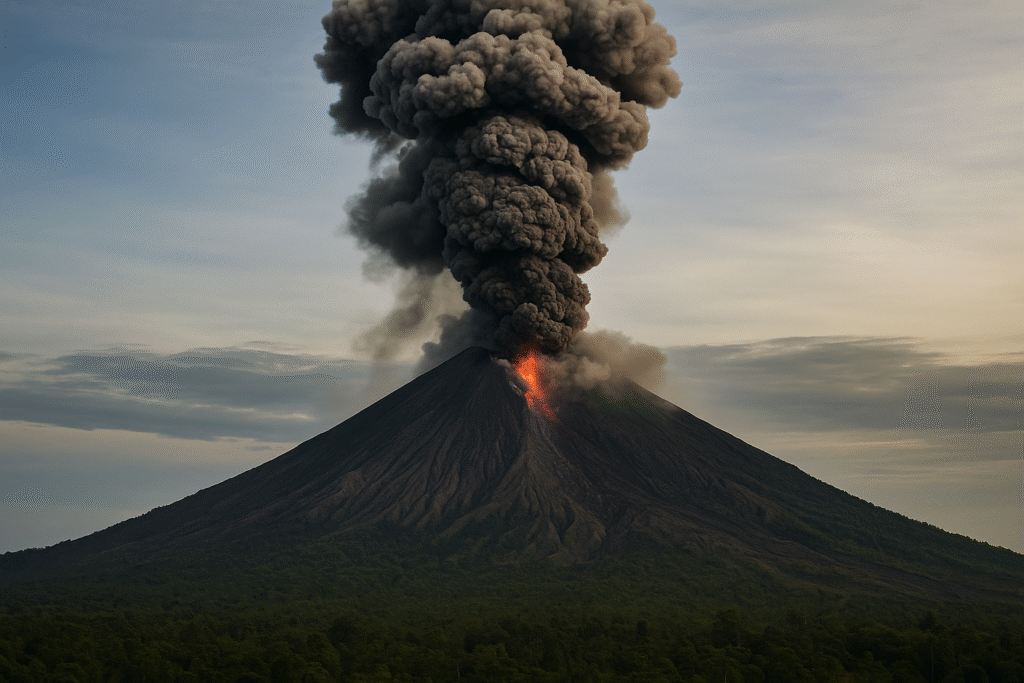
Indonesia has issued heightened travel and safety alerts following the November 19, 2025 eruption of Mount Semeru, one of the nation’s most active and closely monitored volcanoes. The eruption sent a towering ash plume high into the atmosphere and triggered immediate advisories for residents, aviation authorities, and tourists across parts of Java and Bali. With the region known for attracting millions of international visitors each year, the volcanic activity has led to widespread concern about travel disruptions and safety precautions in affected areas.
Mount Semeru sits on the Pacific “Ring of Fire,” a vast belt of tectonic activity renowned for earthquakes and volcanic eruptions. Indonesia, home to more volcanoes than any other country, frequently monitors volcanic movements to protect communities and international travellers. The latest eruption prompted swift action from local agencies as ash clouds drifted toward populated areas, triggering evacuation measures and raising air travel alerts across Southeast Asia.
Flight Operations and Travel Disruptions Following the Eruption
In response to the ash cloud, Australia’s Volcanic Ash Advisory Centre issued a red aviation alert, the highest-level warning for aircraft. Volcanic ash poses serious risks to aviation, including reduced visibility, engine damage, and impaired navigation systems. A red alert warns pilots and air traffic authorities that ash is present in air corridors used by international flights.
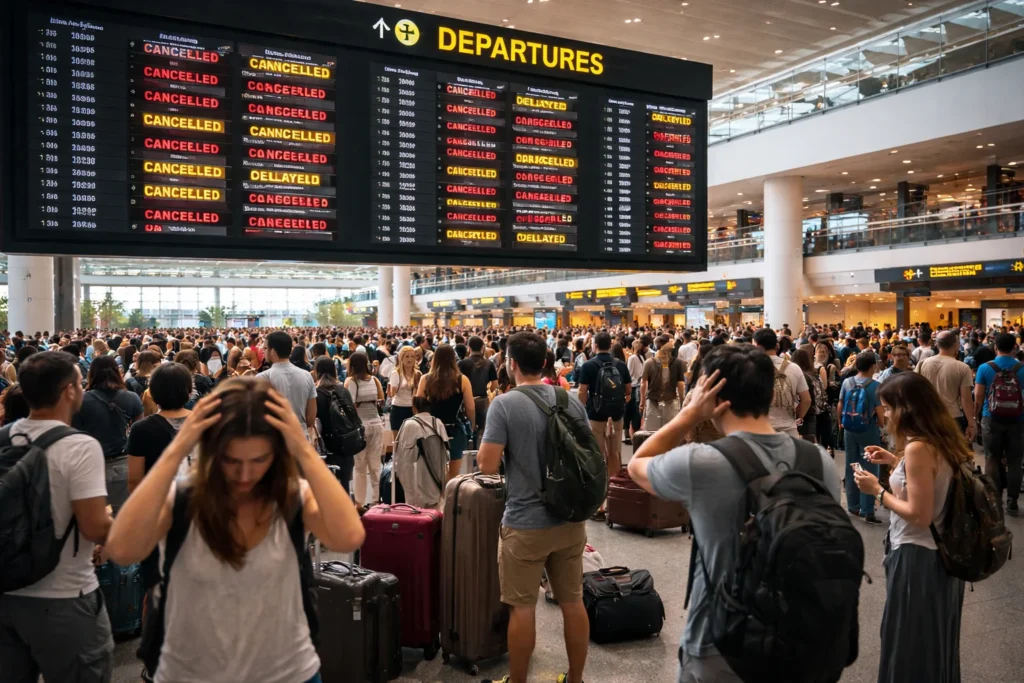
Despite the alert, Indonesia’s major airports—including Denpasar Ngurah Rai International Airport in Bali and Juanda International Airport near Surabaya—remain open. However, airlines have been instructed to monitor ash movements closely and adjust routes or delay flights when necessary. Travellers flying between Java, Bali, and nearby Southeast Asian destinations should expect the possibility of temporary delays, schedule adjustments, or extended ground times.
Airports in Surabaya, Yogyakarta, and other East Java regions are particularly sensitive to ash fall. Even moderate ash deposits can require runway cleaning, slowing down operations. For visitors with upcoming flights, staying in contact with airlines and monitoring updated bulletins is strongly recommended, as aviation conditions can change rapidly depending on wind direction and volcanic activity.
Health and Safety Guidelines for Tourists in Affected Areas
Authorities in Indonesia have issued a heightened alert around the volcano, urging people to remain at least 2.5 kilometres (1.5 miles) from Mount Semeru. This zone encompasses areas at risk of pyroclastic flows—high-speed currents of hot gas and volcanic debris that can be deadly. As a precaution, local emergency teams are coordinating evacuations in districts closest to the volcanic slopes, including parts of Malang and Lumajang.
Volcanic ash, even in small quantities, can significantly impact air quality. Tourists staying anywhere in East Java should be aware of the risk of respiratory irritation, coughing, and eye discomfort. Wearing protective masks, reducing time outdoors, and keeping windows closed can help limit exposure. Local health services have distributed masks in high-risk zones and continue to advise residents and visitors on safe behaviour as ash clouds disperse.
Travelers venturing near affected regions should avoid rivers or valleys that may carry volcanic debris. Authorities have warned that recent rainfall can mix with ash to form thick mudflows, posing additional hazards.
Potential Impact on Bali and Popular Tourism Spots
Although Bali is located roughly 135 miles (220 kilometres) from Mount Semeru, the widespread nature of volcanic ash means nearby islands can experience secondary effects. Currently, Bali remains outside the designated danger zone and continues to operate normally. Popular tourist centres such as Ubud, Seminyak, Kuta, and Canggu remain unaffected by direct hazards.
However, as ash clouds drift with prevailing winds, there is a possibility of changes in air quality or brief visibility reductions. Travellers visiting Bali are advised to remain informed, especially if planning day trips to eastern regions or ferry crossings toward Java. Authorities continue to emphasise that while Bali is safe for travel, caution should be taken when approaching routes that bring visitors closer to the volcanic slopes.
Hotels, tourism operators, and regional officials are maintaining updated communication channels to ensure visitors are informed of any new developments. The majority of tourism activity across Bali remains uninterrupted, though visitors should remain alert to sudden weather shifts that could influence flight operations.
Travel Insurance and Safety Preparedness
Travel insurance policies may cover cancellations or delays caused by volcanic activity, but eligibility often depends on whether an official government advisory is in place. While Indonesian authorities have issued warnings for areas near Mount Semeru, broader travel restrictions have not been implemented. Travellers are encouraged to review insurance terms, particularly those related to natural disasters, transport disruptions, or trip interruption coverage.
International travel bodies continue to advise caution for anyone visiting Indonesia’s volcanic regions. The unpredictable nature of eruptions means conditions can shift quickly, affecting flight paths, road travel, and nearby communities.
Staying Updated During the Volcanic Event
Mount Semeru’s eruption is a reminder of Indonesia’s dynamic volcanic landscape and the importance of staying informed during travel. Tourists should monitor official updates from Indonesian authorities and maintain communication with hotels, airlines, and local tourism offices. Flexibility, preparedness, and adherence to safety instructions are essential for anyone currently in Indonesia or planning to visit in the coming days.
While the eruption has caused disruptions, Indonesia remains a vibrant destination for global travellers. Staying aware of regional conditions and following local guidance will ensure a safe and rewarding travel experience.
For more travel news like this, keep reading Global Travel Wire