Iran’s tourism sector is entering its most turbulent phase in years. Waves of political unrest, communication blackouts, and heightened travel warnings have pushed the industry into crisis mode. Airspace closures, embassy shutdowns, flight rerouting, and fears of military escalation have sparked a dramatic decline in traveler confidence. Many foreign tourists are now postponing or cancelling trips to the country, forcing local tourism operators to confront a sudden collapse in demand.
Unrest Sparks Alarming Shift in Traveler Sentiment
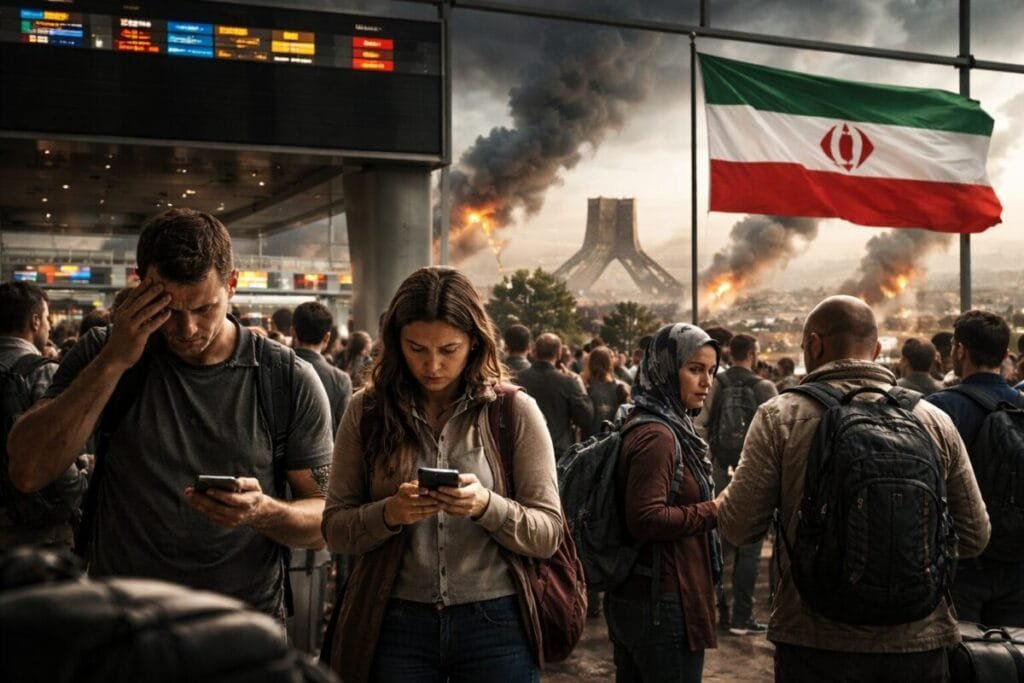
Protests across major Iranian cities have intensified over inflation, declining wages, and broader political concerns. Crowds have filled streets demanding reforms and greater economic stability. Security forces have responded with force, leading to rising casualties and mass arrests. The unrest has strained daily life for residents and triggered international concern over the country’s stability.
Previous unrest in Iran often remained contained to political arenas. This time, its impact is directly harming the tourism economy, which had relied on steady growth before the crisis. Once-popular heritage cities such as Shiraz, Yazd, and Isfahan have welcomed fewer international visitors as safety fears grow.
Airspace Shutdowns Disrupt Regional and Global Routes
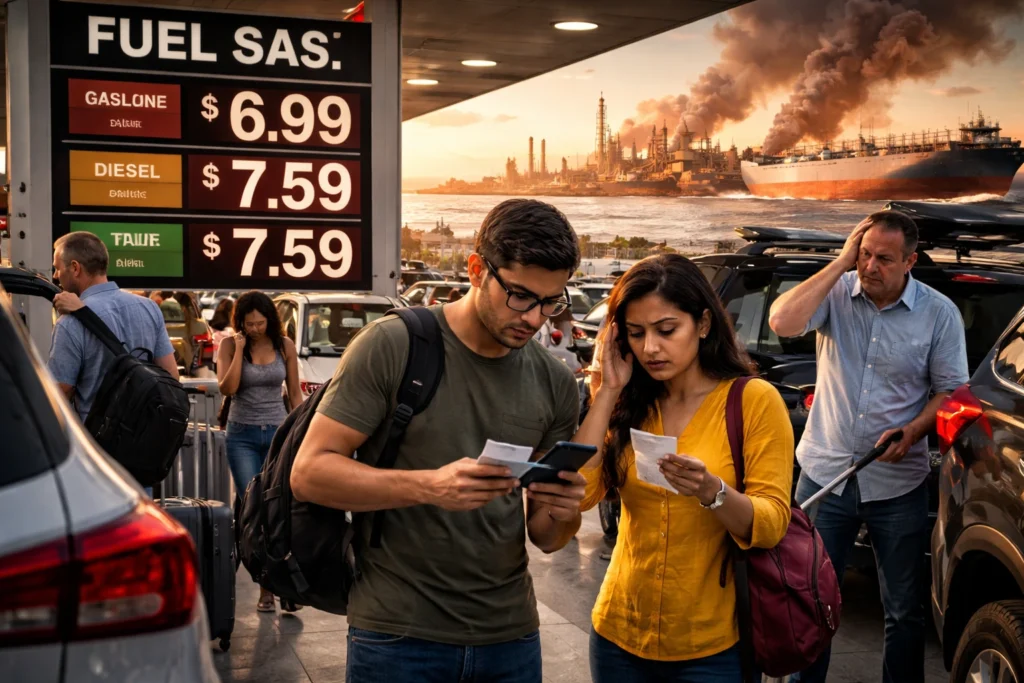
One of the biggest shocks came when Iran temporarily closed portions of its airspace. The closure forced international carriers to rework long-established flight corridors that connect Europe with South and East Asia. Airlines scrambled to secure alternative flight paths, increasing fuel consumption and scheduling complications.
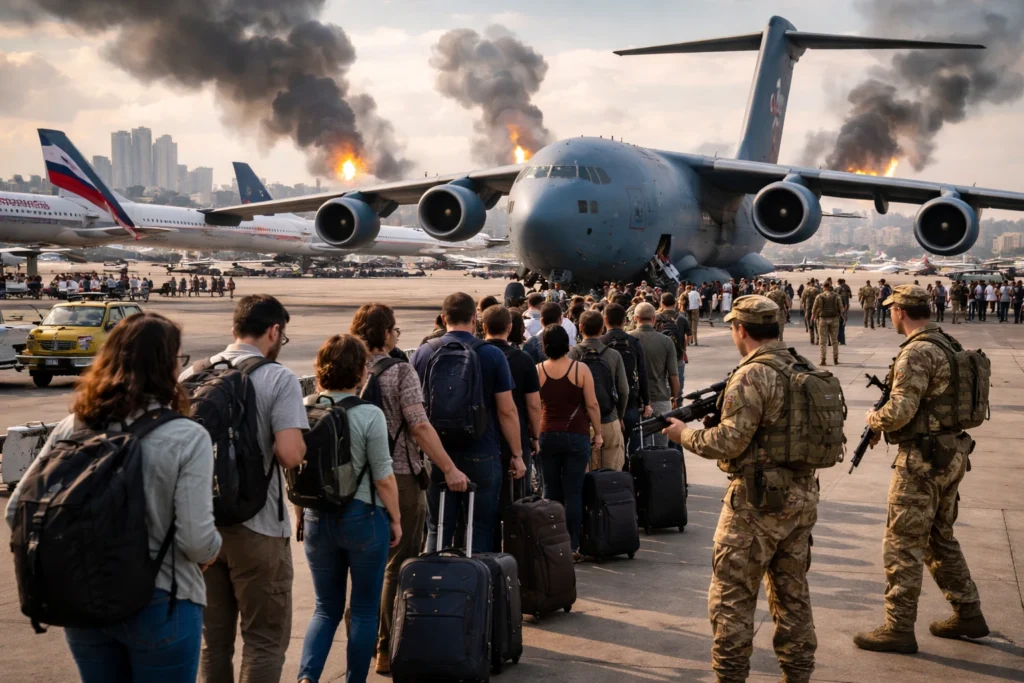
Travelers faced long delays, extended layovers, crowded terminals, and in some cases complete route cancellations. Multi-country itineraries that included Iran became difficult to maintain due to sudden gaps in air connectivity. Flight booking platforms also detected a drop in demand for Middle Eastern routes as travelers sought to avoid potential conflict zones.
For Iran’s tourism operators, airspace disruptions were a severe blow. Many rely on foreign tour groups arriving and departing on predictable flight schedules. With uncertainty now dominating aviation planning, these business models have been thrown into doubt.
Growing Travel Advisories Shake Tourism Demand
A wave of updated travel advisories soon followed. Several countries urged citizens to avoid non-essential travel to Iran due to security concerns, communication blackouts, and the potential for further unrest. Some embassies reduced operations or temporarily closed consular services, leaving tourists fewer options in emergencies.
Travel insurance companies also reassessed risk. Policies with exclusions for unrest and political violence became more restrictive. For many leisure travelers, these changes eliminated the feasibility of visiting Iran, even if they felt willing to take the personal risk.
Tour operators specializing in Middle Eastern tourism report sharp declines in new bookings. Industry analysts warn that year-ahead forecasts could worsen if tensions escalate.
US Warnings Add Military and Diplomatic Pressure
The United States issued particularly strong language regarding the government’s crackdown and signaled possible punitive responses if violence escalated. US military movements in the region led to concerns that any confrontation could disrupt commercial aviation or energy shipping corridors. These developments increased anxiety among airlines, cruise lines, and global travel agencies servicing the Middle East.
For Iran, the warnings created an atmosphere of uncertainty that affected not only the safety perception but also its economic outlook. Tourism contributed to national revenue through guided tours, hotel stays, transportation services, and cultural site admissions. With visitor numbers dropping, these revenue streams are now in jeopardy.
Impact Spreads to Neighboring Tourism Economies
Iran’s crisis also carries consequences for regional tourism hubs. Nearby destinations depend on perceptions of stability when marketing to international travelers. When unrest erupts in one major Middle Eastern country, nearby countries often experience collateral fear from visitors unfamiliar with the region’s geographic distinctions.
Tour operators in the United Arab Emirates, Turkey, and Qatar have reported hesitation from long-haul tourists, especially those unfamiliar with Middle Eastern geopolitics. Some operators pivoted to focus on Southeast Asia and Europe to offset the downturn.
Economic Stakes for Iran’s Cultural Tourism Model
Iran possesses some of the world’s most renowned archaeological and historical attractions, from ancient Persian capitals to Islamic architecture. Before the crisis, tourism officials aimed to position Iran as a destination for cultural and educational travel, posting gradual increases in international visitor arrivals each year.
Political instability has halted that momentum. Many small businesses, such as guesthouses, restaurants, bazaar vendors, and tour guides, rely directly on foreign tourism. Without visitors, their earnings evaporate. Domestic tourism is not able to fill the gap due to rising inflation and lower disposable income among local travelers.
Uncertain Road Ahead for Recovery
Whether Iran’s tourism sector rebounds depends largely on political and security conditions. Stability could restore confidence gradually, though analysts warn recovery may take several years. Tourism tends to rebound slower than other sectors after conflict due to psychological risk assessments made by travelers.
Yet the long-term outlook is not entirely bleak. Iran’s cultural wealth, hospitality traditions, and historic landscapes remain strong assets. If conditions improve, demand may return as international travelers once again seek diverse cultural experiences beyond mainstream destinations.
For now, the crisis serves as a stark reminder that tourism is vulnerable to political shocks. The coming months will determine whether Iran can contain unrest and reassure the global travel market or whether its tourism sector faces a prolonged downturn.
For more travel news like this, keep reading Global Travel Wire