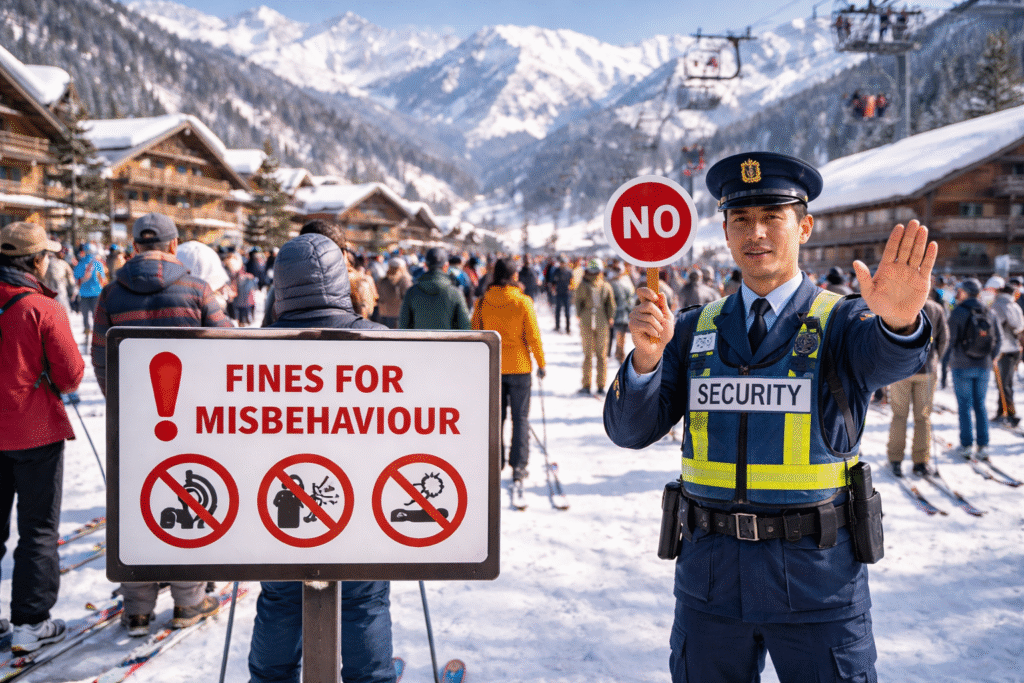
Japan is joining a rising global movement to curb unruly tourist behaviour at major ski destinations. With winter tourism surging, the country announced strict fines for disruptive conduct at ski resorts from July 1, 2026. This aligns Japan with Austria, Italy, the United States, France, and several other nations already enforcing behavioural penalties to protect their mountain environments.
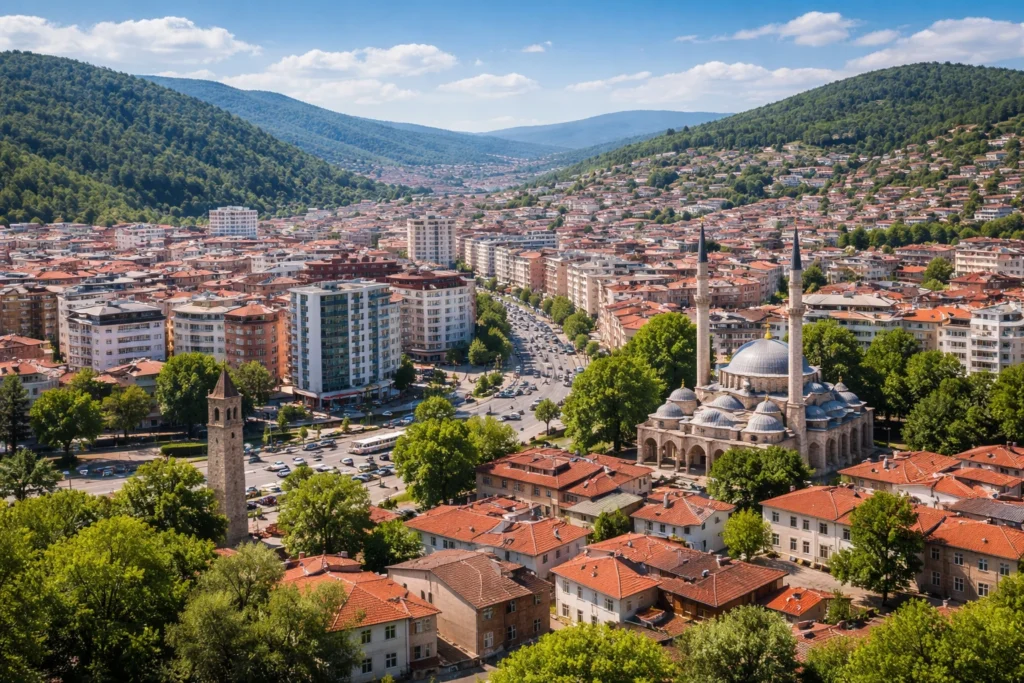
The decision follows sharp increases in visitor numbers, especially in popular regions such as Hakuba in Nagano Prefecture, where international arrivals have grown at record-breaking speed. Local authorities aim to safeguard community wellbeing, preserve environmental quality, and maintain safe, enjoyable conditions for travellers.
Why Japan Is Tightening Ski Resort Rules
Hakuba has seen rapid tourism expansion, reaching more than two million visitors in a single year. A weaker yen, improved global connectivity, and renewed interest in winter sports have transformed the area into a top destination. Yet this growth has brought new challenges.
Residents and officials have reported issues such as:
- Loud late-night gatherings
- Graffiti and property damage
- Unsafe use of fireworks
- Smoking while walking in crowded zones
- Disregard for local etiquette and rules
Under the updated “Village Manners” regulations, those who ignore official instructions may face fines of up to ¥50,000. The focus is to keep Hakuba peaceful while promoting responsible behaviour among visitors.
A Global Pattern: Ski Nations Strengthen Tourist Regulations
Japan’s new rules reflect a worldwide shift toward more structured winter tourism management. Leading ski nations have long addressed overtourism, environmental risks, and the growing strain on local communities.
Countries such as Austria, Italy, and France operate high-traffic resorts visited by millions every season. To prevent disorder and keep slopes safe, many have introduced stricter fines, safety mandates, and crowd-control measures. Japan joins this group as winter tourism reaches record highs globally.
Austria: Longstanding Rules to Maintain Order
Austria has been proactive for years in managing ski resort behaviour. Popular destinations such as Ischgl enforce rules that target both safety and public order. Fines may apply for:
- Disturbances during night hours
- Transporting skis unsafely in pedestrian areas
- Reckless behaviour that increases accident risks
Penalties range from small fees to several thousand euros, depending on the severity. Some regions have also trialled zoning systems to reduce crowding, ensuring smooth movement of skiers and boarders through busy resort villages.
Italy: Strong National Safety Measures
Italy places winter sports safety at the centre of its tourism policy. The country introduced mandatory helmet rules for all skiers, snowboarders, and tobogganers. Breaking these rules can lead to fines of up to €200, with ski pass suspensions possible in more serious cases.
To manage peak-season pressure, well-known destinations such as Madonna di Campiglio also use visitor caps during busy periods. These measures aim to maintain enjoyable conditions while preventing overcrowding that strains the environment and reduces comfort.
United States: Safety Enforcement on the Slopes
In the United States, ski resorts take a firm stance on dangerous behaviour. Colorado, home to some of the country’s busiest slopes, issues fines of up to $1,000 for visitors skiing under the influence of alcohol or drugs. Violating resort boundaries, skiing on closed trails, or misusing lift passes can also lead to penalties.
Major resorts like Aspen and Vail use clear codes of conduct to guide behaviour. Severe violations can even result in long-term bans, reinforcing the priority placed on safety, order, and respect for the mountain environment.
France: Protecting Alpine Environments and Communities
France enforces some of the strictest rules in Europe. Resorts in the Alps, including Chamonix and Courchevel, impose heavy penalties for unsafe off-piste activities that may trigger avalanches. Fines can reach €15,000 depending on the impact.
Environmental protection is a major focus. Littering, disturbing wildlife, or damaging protected areas can lead to substantial penalties as France works to balance tourism with long-term environmental preservation.
Other Nations Strengthen Their Winter Tourism Policies
Ski regions in Switzerland, Norway, and other European countries are also tightening behavioural expectations. Measures often include fines for littering, skiing in protected zones, or engaging in unsafe practices. These rules reflect growing concern for fragile alpine environments and the need to maintain high-quality tourism experiences.
Why These Regulations Matter
Winter destinations are under increasing pressure as global travel rebounds. Resorts face challenges such as:
- Infrastructure strain
- Environmental damage
- Rising demand for outdoor recreation
- Local community fatigue
Fines and behavioural rules are not intended to discourage travel. Instead, they help ensure that visitors enjoy safe, organised, and respectful environments. For local residents, these steps protect their livelihoods and preserve natural landscapes they rely on.
A More Sustainable Future for Ski Tourism
As Japan aligns with international standards, the future of ski tourism points toward more structured and sustainable management. Resorts worldwide now recognise that visitor behaviour plays a direct role in conservation and community wellbeing.
By setting clear expectations, destinations hope to welcome increasing numbers of travellers without compromising safety or environmental integrity. For tourists, the message is simple: enjoy the mountains responsibly, respect the local community, and follow established guidelines.
For more travel news like this, keep reading Global Travel Wire