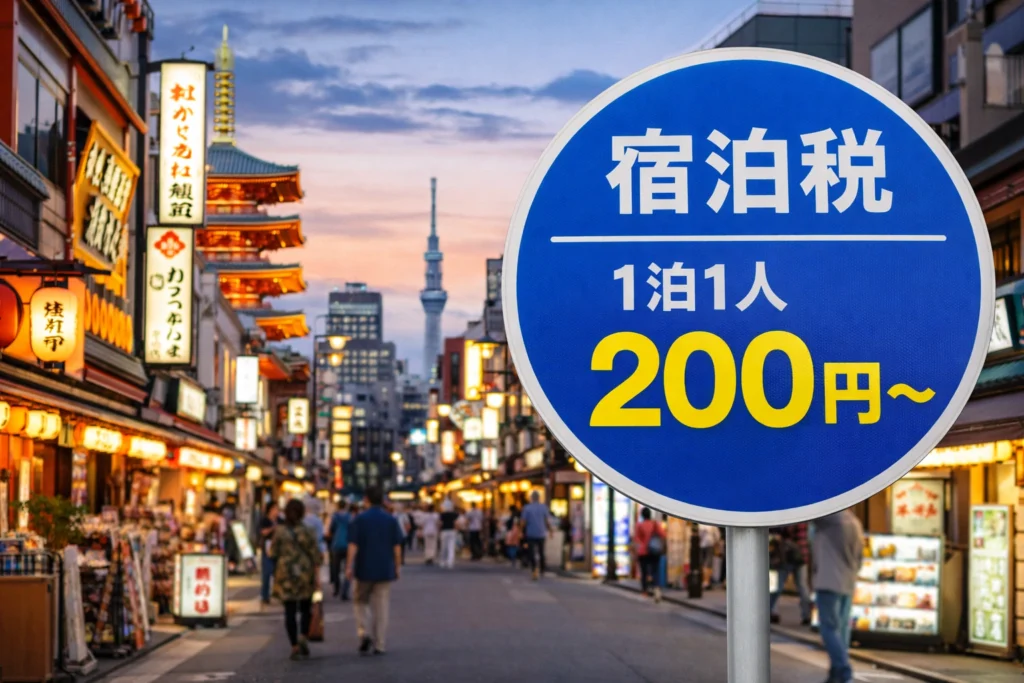
Japan has introduced a new accommodation tax across 20 regions starting April 1, 2026. The policy affects travellers staying in hotels and other lodging facilities nationwide.
The expansion doubles the number of local governments applying lodging taxes. It forms part of a broader strategy to strengthen tourism infrastructure and disaster resilience.
Authorities aim to improve visitor services and maintain popular destinations. The tax will also help fund disaster prevention measures across regions.
Regional Tax Structures Vary Across Japan
The accommodation tax varies depending on location and lodging type. Different prefectures apply different rates based on accommodation costs.
In Gifu and parts of Mie, travellers pay around 200 yen per person per night. In Kanagawa’s Yugawara area, the tax ranges between 300 and 500 yen.
Hiroshima applies a threshold system. Guests staying in accommodations costing 6,000 yen or more must pay 200 yen. Lower-cost stays remain exempt.
Hokkaido uses a tiered system. Visitors pay between 100 and 500 yen depending on accommodation price.
Additional Local Charges in Popular Cities
Some cities apply extra local taxes on top of prefectural rates. Sapporo is a key example of this layered system.
Travellers in Sapporo pay an additional fee depending on room cost. Stays under 20,000 yen include a 300 yen surcharge.
Higher-end accommodations above 50,000 yen may incur up to 1,000 yen per night. These charges reflect the city’s high tourism demand.
Such tiered systems aim to balance affordability with funding needs.
Exemptions Support Education and Family Travel
Japan has introduced exemptions for certain groups. School students, children, and teachers on educational trips are not subject to the tax.
This policy helps keep travel accessible for educational purposes. It also supports domestic tourism and family travel.
Authorities aim to ensure the tax does not discourage key travel segments.
Impact on Travel Costs and Booking Decisions
The new tax will increase accommodation costs for travellers. However, the impact varies depending on destination and hotel category.
Budget travellers may see minimal changes due to exemptions in some regions. Luxury travellers may face higher additional charges.
Visitors are advised to check local tax rules before booking. Understanding regional differences can help manage travel budgets.
Tourism Industry Benefits from New Revenue
Funds generated from the accommodation tax will support tourism development. Local governments will use revenue to maintain infrastructure and improve services.
Popular destinations often face pressure from high visitor numbers. The tax helps fund maintenance and upgrades in these areas.
It also supports disaster preparedness measures. Japan remains vulnerable to natural events such as earthquakes and typhoons.
Supporting Sustainable Tourism Growth
The accommodation tax aligns with Japan’s long-term tourism strategy. Authorities aim to balance visitor growth with sustainability.
Controlled funding allows regions to manage tourism more effectively. It also helps preserve cultural and natural attractions.
By investing in infrastructure, Japan can maintain high-quality travel experiences.
What Travellers Should Expect
Travellers should expect small additional charges when staying in many regions. These fees will appear as part of accommodation costs.
Planning ahead is essential to avoid surprises. Checking hotel policies and local tax rates can help travellers prepare.
Despite the added cost, Japan remains a top global destination. The tax supports long-term improvements that benefit visitors.
A Strategic Shift in Japan’s Tourism Policy
Japan’s expanded accommodation tax marks a shift in tourism policy. The country is focusing on sustainability and resilience.
The initiative ensures that tourism growth remains manageable and beneficial. It also supports local communities that host visitors.
As more regions adopt similar measures, Japan’s tourism model will continue to evolve. For travellers, the changes represent a small cost with long-term benefits for the travel experience.
For more travel news like this, keep reading Glob al Travel Wire