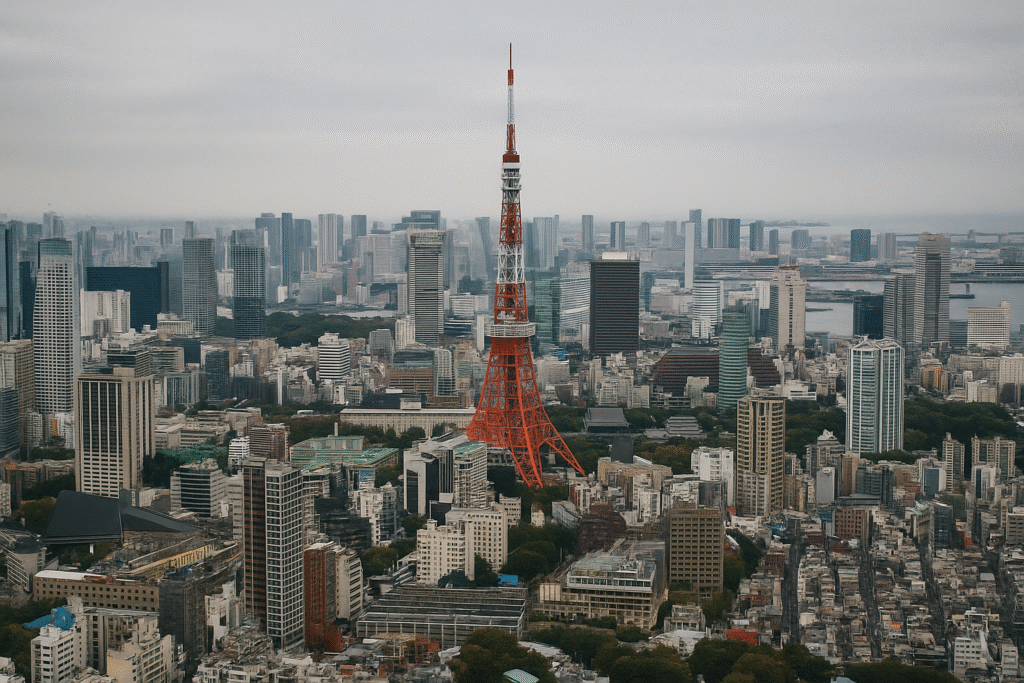
Japan faces major challenges as political tensions with China disrupt travel across Tokyo, Osaka, Nagoya, Fukuoka, Sapporo, Hiroshima, and Okinawa. A sharp drop in Chinese arrivals has shaken the tourism sector. China issued a strong travel warning after heated political exchanges. The advisory urged citizens to avoid Japan due to security concerns. This warning triggered widespread cancellations and heavy pressure on airlines.
Diplomatic Strain Sparks Immediate Travel Impact
Recent remarks by Japanese leaders about Taiwan increased the strain between the two nations. These statements drew a fierce response from China. The issue grew quickly and created a tense atmosphere across the region. China stressed that its citizens should avoid non-essential travel to Japan. Many travelers reacted by canceling planned trips. Airlines saw a surge in refund and rebooking requests within hours.
Travel concerns also grew after reports of unresolved incidents involving Chinese nationals in Japan. These situations raised safety worries among potential visitors. China advised travelers to stay aware of local conditions. The advisory also encouraged them to contact authorities during emergencies.
Tokyo Sees Sharp Drop in Arrivals
Tokyo, the busiest gateway to Japan, felt the impact first. The city usually welcomes millions of visitors each year. Many of them come from China. After the advisory, flight bookings plunged. Major airlines handled thousands of refund requests. Many travelers chose to delay their visits. Tokyo’s hotels, shopping areas, and transport hubs noticed a sudden decline in tourist flow.
The city remains open for travel. Still, the reduced visitor numbers create challenges for local businesses. Many sectors rely heavily on foreign arrivals during peak seasons.
Osaka Reports Declining Visitor Numbers
Osaka is another major city hit by this disruption. The region stands out for its food culture and vibrant shopping districts. It is also a popular base for visiting Kyoto and Nara. Local business owners now face lower customer turnout. Kansai International Airport has seen fewer international arrivals. This trend may continue unless relations between Japan and China improve.
Many tour operators in Osaka have already adjusted their packages. They expect a slow season ahead as cancellations continue.
Nagoya Experiences Widespread Cancellations
Nagoya, a key industrial and cultural center, has also seen a steady decline in arrivals. The city draws business travelers and leisure tourists alike. Many hotels now report lower occupancy levels. Airlines are working to adjust their schedules as demand falls. Several groups that planned trips to Nagoya cancelled their plans after China’s travel warning.
The decline adds pressure to local tourism businesses that rely on steady visitor flow throughout the year.
Fukuoka and Southern Japan Face Tourism Losses
Fukuoka, a major gateway to southern Japan, has seen a sharp drop in Chinese arrivals. The city is known for its temples, beaches, and rich food culture. Travel disruptions have created uncertainty for local hotels and tour guides. Many travelers with upcoming bookings have chosen refunds or route changes.
Local tourism boards expect continued challenges as long as tensions remain high.
Sapporo Hit Ahead of Winter Travel Season
Sapporo faces a major setback during a crucial period. Many Chinese tourists travel to Hokkaido for winter sports and festivals. The recent drop in bookings threatens the upcoming season. New Chitose Airport reported many cancellations. Hotels across the city now see lower reservation numbers. This trend hurts local businesses that depend on winter tourism.
Hiroshima and Okinawa See Declines in Bookings
Hiroshima and Okinawa are also heavily affected. Hiroshima draws global travellers with its memorial sites and cultural landmarks. Okinawa attracts beach tourists and history enthusiasts. Both regions now face uncertain months ahead. Bookings continue to fall as travelers avoid risk.
Airlines Respond with Flexible Options
Airlines have responded with special arrangements to help affected travelers. Several carriers now offer free refunds and rebooking options. These measures extend through the end of the year. Airlines hope these steps will ease pressure on passengers. They also aim to manage the sudden shift in demand.
The aviation sector works to handle high call volumes and sudden schedule changes. The goal is to reduce stress for passengers while keeping operations stable.
Asian Tourism Industry Watches Closely
The situation in Japan may influence other Asian destinations. Countries like South Korea, Thailand, and Singapore monitor the trend closely. Changes in Chinese travel patterns may shift regional tourism flows. Some travelers may choose alternative destinations. Others may postpone international trips altogether.
This shift could reshape the tourism landscape across Asia.
Japan Prepares for a New Travel Reality
Japan’s tourism sector now explores long-term responses. More focus on domestic tourism may help soften the impact. Japan may also strengthen efforts to attract visitors from Southeast Asia, Europe, and North America. Promotional campaigns continue to highlight safety and cultural experiences.
Travellers are advised to stay updated on official advisories. Local authorities continue to monitor the situation. Both countries aim to keep dialogue open to reduce tensions.
Japan’s Key Cities Navigate an Uncertain Future
Tokyo, Osaka, Nagoya, Fukuoka, Sapporo, Hiroshima, and Okinawa now navigate a period of uncertainty. Flight cancellations, disrupted travel plans, and lower visitor numbers create a tough outlook for the tourism sector. Future trends depend on diplomatic developments. For now, travellers and tourism workers must stay alert as conditions evolve.
For more travel news like this, keep reading Global Travel Wire