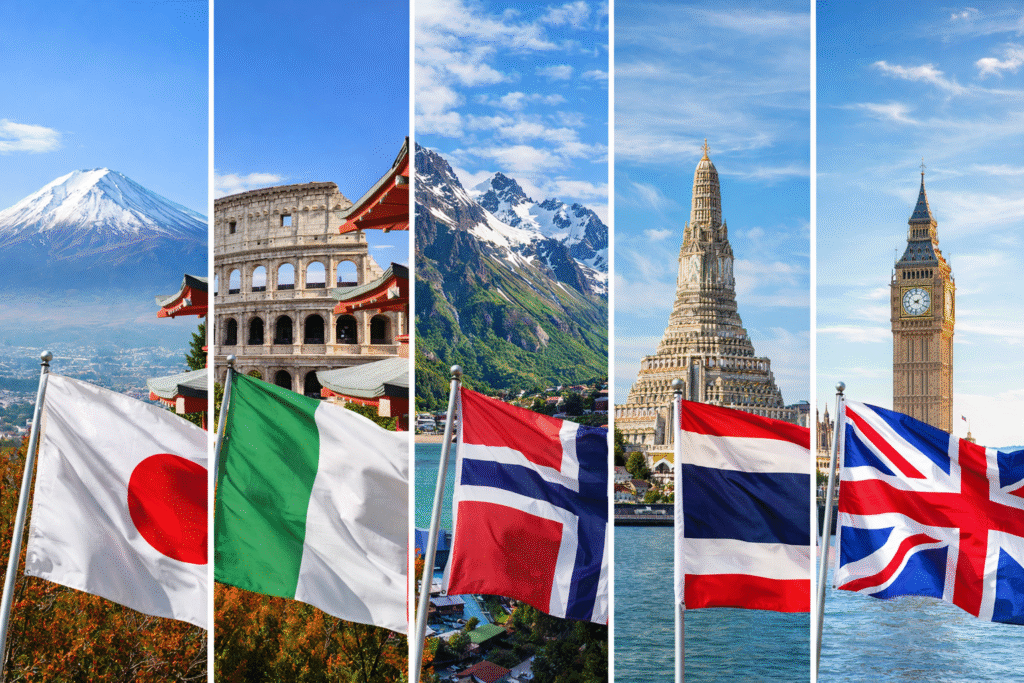
Global tourism is entering a new phase, and Japan is the latest major destination to adapt. Following similar moves by destinations across Europe and Asia, Japan is preparing to introduce an electronic travel authorisation system paired with a modest tourist entry fee. This shift places the country alongside Rome in Italy, Norway, Spain, the United Kingdom, and Thailand, all of which are reshaping how visitors access their most popular destinations.
As international travel rebounds and visitor numbers surge beyond pre-pandemic levels, governments are increasingly focused on managing crowds, strengthening security, and funding tourism infrastructure. Entry fees and digital authorisation systems are becoming key tools in this strategy, signaling a long-term transformation in how global tourism operates.
Japan Prepares for a Major Change in Visitor Entry
Japan’s tourism boom has been remarkable. The country welcomed record-breaking international arrivals in recent years, driven by relaxed travel rules, a weak yen, and renewed global interest in its culture, cuisine, and seasonal attractions. Popular cities such as Tokyo, Kyoto, and Osaka have experienced intense visitor pressure, prompting authorities to rethink border management.
The planned Japan Electronic System for Travel Authorization, widely known as JESTA, will require travelers from visa-exempt countries to complete an online approval process before departure. Alongside this system, a small entry fee is being proposed, marking a significant change in how visitors enter Japan.
What the JESTA System Means for Travelers
Under the new system, travelers will submit personal and travel details online prior to boarding their flight. The goal is to shift security and immigration checks to the pre-travel stage, reducing congestion at airports and improving arrival efficiency.
The proposed entry fee, expected to fall within a moderate range compared to similar systems globally, is designed to fund the technology behind JESTA and strengthen visitor support services. Authorities have also indicated that revenue may be used for emergency preparedness, including disaster response systems that assist tourists during earthquakes, typhoons, and other natural events.
For most travelers, the process is expected to be straightforward, digital, and quick, adding a small cost in exchange for smoother arrivals and improved safety oversight.
Japan Joins a Growing Global Trend
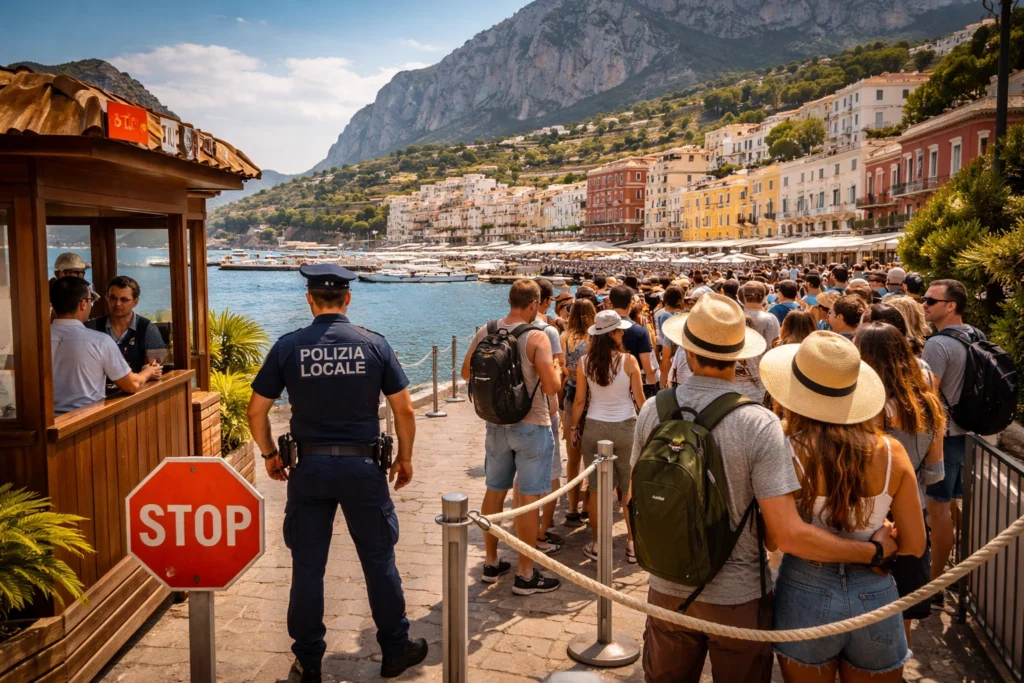
Japan is far from alone in adopting this approach. Across Europe, historic cities and entire countries are rethinking how they manage visitor flows. Rome has already introduced access fees aimed at preserving its historic center, while Norway and Spain are exploring visitor charges tied to sustainability and infrastructure maintenance.
Meanwhile, the United Kingdom is preparing to implement its own electronic travel authorisation for visa-free travelers, aligning with similar systems in North America and beyond. These measures reflect a broader recognition that unchecked tourism growth can strain cities, heritage sites, and public services.
Europe’s ETIAS Signals a New Normal
Across much of continental Europe, a unified electronic authorisation system is set to reshape travel planning. Once fully operational, travelers from visa-exempt countries will need prior approval before entering participating European destinations. While the fee is relatively small, the impact on travel behavior is significant, encouraging advance planning and offering governments greater oversight of arrivals.
This system is part of a wider effort by the European Union to strengthen border security while preserving freedom of movement within the region. For travelers, it represents another step toward digital-first international travel.
Thailand and Asia Embrace Tourist Fees
In Asia, Thailand has also announced plans to introduce a tourist entry fee, with different rates depending on arrival method. The revenue is intended to support tourism infrastructure, environmental protection, and visitor insurance coverage.
Thailand’s move reflects growing concerns about overtourism at beaches, temples, and urban hotspots. By introducing a fee, authorities aim to balance economic benefits with long-term sustainability, ensuring that tourism growth does not undermine local communities or natural resources.
Why Governments Are Charging Entry Fees
The rationale behind these fees goes beyond revenue generation. Governments are using entry charges and authorisation systems to improve security screening, manage tourist numbers, and fund infrastructure that directly supports visitors. From airport upgrades to crowd control systems and emergency services, these fees are increasingly positioned as reinvestments into the tourism experience itself.
For destinations facing record-breaking arrivals, these tools offer a way to maintain quality while protecting cultural heritage and public spaces.
How These Changes Affect Travelers
For travelers, the rise of tourist entry fees means slightly higher upfront costs and the need for advance preparation. However, the trade-off is often faster border processing, improved safety measures, and better-managed destinations.
Budget-conscious travelers may need to factor these fees into trip planning, particularly when visiting multiple countries with separate authorisation requirements. At the same time, the predictability and transparency of digital systems can reduce uncertainty and improve overall travel efficiency.
The Future of International Travel
As more countries adopt electronic travel authorisations and entry fees, this model is likely to become standard practice rather than an exception. Japan’s planned JESTA system underscores how even traditionally open destinations are adapting to new realities.
For future visitors to Japan, the changes signal a more structured but potentially smoother arrival experience. While the added fee represents a shift, it also reflects Japan’s commitment to safety, efficiency, and sustainable tourism growth.
A New Chapter for Global Tourism
Japan’s decision to join other major destinations in introducing a tourist entry fee highlights a broader transformation underway in global travel. As visitor numbers rise and destinations seek balance, paid digital access is becoming part of the modern travel equation.
For travelers, staying informed and planning ahead will be essential. While the rules of travel are changing, the goal remains the same: safer journeys, better experiences, and destinations preserved for generations to come.
For more travel news like this, keep reading Global Travel Wire