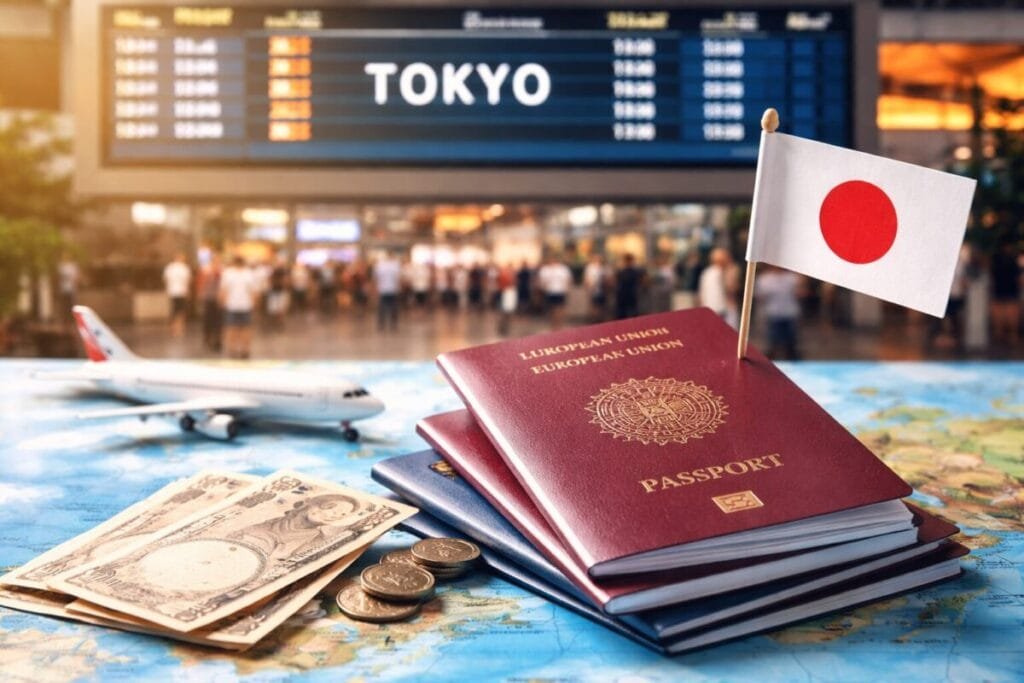
Japan is preparing major changes to its tourism policy. Starting July 2026, travelers will pay higher fees when departing the country. The move targets visitors from Europe and other visa-free regions who have enjoyed low-cost access for years. The new rules aim to manage overcrowding and protect Japan’s cultural and natural heritage as tourism rebounds to record levels.
Departure Tax Will Triple in 2026
Japan will triple its current departure tax from 1,100 yen to 3,000 yen. This fee applies to all international departures, whether by air or sea. Travelers aged two and older must pay the charge, while airline crew and short transit passengers remain exempt. The fee appears automatically in the total ticket price.
The government introduced the tax in 2019 to fund tourism infrastructure. Funds enabled improvements to ports, airports, and visitor management systems. By raising the rate, Japan expects to boost revenue for projects that address crowding and protect local communities.
Pressure from Record Tourism Growth
Japan has welcomed millions of tourists since reopening to international travel. Popular zones like Tokyo, Osaka, Kyoto, and Mount Fuji have experienced heavy congestion. Streets, transit, and cultural sites face pressure during peak seasons. Local authorities have requested stronger crowd control measures and better visitor education.
Tourism has also strained housing markets, public services, and transport networks in heritage towns. Officials believe higher fees will support infrastructure upgrades and encourage more responsible travel habits.
Impact on European Travelers
European visitors will feel the effects of these changes. Countries such as Iceland, Switzerland, Portugal, Malta, Italy, France, Sweden, Germany, Spain, and the United Kingdom send steady flows of travelers to Japan. Most arrive visa-free for short stays.
The fee increase will raise travel budgets, especially for backpackers, students, and multi-destination travelers. While the extra cost may not deter most visitors, frequent travelers will notice the difference over time.
New Screening Through JESTA by 2028
Japan will also introduce a pre-travel clearance system known as JESTA, similar to the systems used in North America and Europe. Travelers from visa-free regions must apply online before boarding flights to Japan. Approval will confirm eligibility for entry and support better security screening.
The JESTA fee is expected to cost between 2,000 and 3,000 yen per traveler. The system is planned for rollout by 2028. The change means visitors will face more steps before departure and higher upfront expenses.
Potential Visa Fee Increases
Japan is also studying adjustments to visa issuance fees for certain markets. Visa-required travelers from China and parts of Southeast Asia may experience higher charges. While this does not affect European citizens, it signals a broader shift toward cost-sharing in tourism management.
Japanese Travelers Also Affected
Japanese citizens will also pay the higher departure tax when leaving the country. To balance new costs, authorities are considering lowering passport issuance fees for local residents. The goal is to avoid discouraging outbound travel for education, business, and cultural exchange.
Estimated Total Additional Costs
By the end of the decade, travelers may face multiple layers of fees. The combined projected charges include:
- 3,000 yen departure tax
- 2,000–3,000 yen JESTA screening fee
The total could reach 5,000–6,000 yen per visitor per trip. For a family of four, the additional cost may exceed 20,000 yen.
Notable European Markets Affected
Visitors from the following European markets will face the updated rules:
- Iceland
- Switzerland
- Portugal
- Malta
- Italy
- France
- Sweden
- Germany
- Spain
- United Kingdom
These travelers currently enjoy visa-free access for short stays and represent a valuable segment for Japanese tourism.
Tourism Strategy Focus: Sustainability and Protection
Japan’s travel reforms align with global trends. Countries facing overtourism now prioritize sustainability, heritage preservation, and community well-being. The shift helps balance local needs with visitor demand.
New tax revenue will support projects such as:
- Tourism training and education
- Digital crowd monitoring
- Nature conservation
- Cultural preservation
- Infrastructure upgrades
Officials argue that higher fees will improve the overall travel experience through reduced congestion and better services.
Despite Higher Costs, Demand Should Remain Strong
Japan remains one of the world’s most desired destinations. Its culture, cuisine, landscapes, and technology attract visitors year-round. Even with new costs, demand is expected to stay resilient. Most travelers view the fees as manageable compared to the overall cost of international travel.
Bottom Line for Travelers
Japan is not closing its doors. Instead, it is setting new conditions for entry and departure. European travelers planning trips after July 2026 should budget for higher fees and allow time for new approval procedures once JESTA begins.
These measures represent a new era in Japanese tourism: still welcoming, but with a higher price tag and greater focus on sustainability.
For more travel news like this, keep reading Global Travel Wire