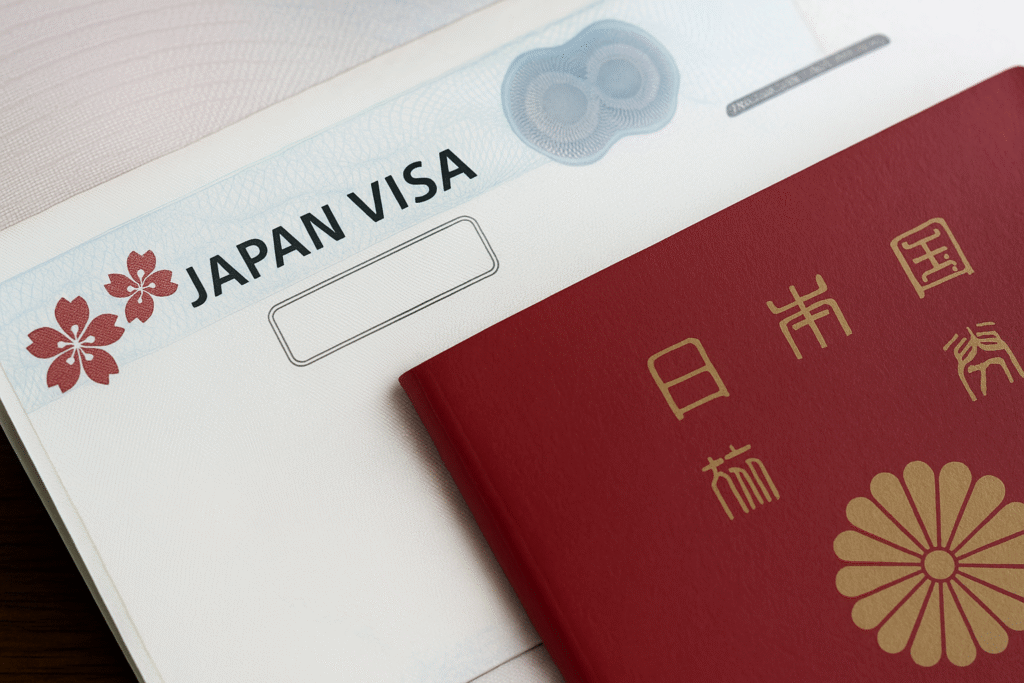
Japan is preparing to revise its visa application fees for the first time in decades in response to a dramatic uptick in international visitors. Rising tourist numbers have placed major pressure on immigration systems and public infrastructure. The government plans to raise fees to better align with global standards and offset administrative strain.
For years, Japan’s visa charges were relatively modest—just a few thousand yen per application. Meanwhile, destinations like the United States, UK and Australia have visa costs in the hundreds of dollars. The upcoming changes reflect Tokyo’s recognition that its previous fee scale no longer reflects the true cost of handling large visitor volumes.
Why the Change Is Undeniable
Tourism in Japan has exploded. In 2024 and into 2025, visitor numbers soared to new records. The weakened yen also made Japan a more affordable option for many foreign tourists. These factors combined to overwhelm some heritage sites, public transport and local services. The government now faces a choice: keep the old fee model or make fees reflect new realities.
Officials point to rising administrative costs—such as visa processing, border control, data systems—as a driving factor behind the change. While the exact new fee amounts are not yet published, internal documents show that application-related charges for status changes and residency have already been increased as of April 1 2025. This suggests that visitor-visa fees may follow a similar upward trajectory.
Global Trend Mirrors Japan’s Move
Japan is not alone. Many nations with high tourist demand have already introduced visa or entry-fee increases. Australia for example raised student visa charges significantly. The U.S. introduced a “visa integrity fee” for many non-immigrant applicants. European countries raised Schengen visa amounts and introduced dual pricing for foreign visitors at major attractions.
Japan’s planned fee revision fits into this global pattern. Rather than simply remaining low-cost, the country appears ready to bring fees into line with both regional standards and the cost of operating a modern visitor-system. At the same time, other reforms—such as dual pricing at famous sites, revised tax-free purchase rules and visitor caps—are being rolled out to ensure a sustainable tourism model.
What It Means for Visitors to Japan
For international travellers, the visa fee rise signals higher upfront cost. Budget-conscious visitors and multi-entry travellers may feel the change more than those able to absorb a modest increase. That said, the Japanese government emphasises the change is not intended as a deterrent, but rather a way to ensure efficient processing and maintain visitor experience quality.
In fact, the fee change may indirectly shift visitor behaviour. By raising the cost of entry, Japan hopes to spread tourism more evenly across the country and relieve pressure on hotspots like Tokyo, Kyoto and Mount Fuji. Infrastructure improvements—funded in part by the extra revenue—could also enhance visitor experience by reducing congestion and improving services.
Targeted Impact on Key Markets
Japan currently issues large numbers of visas to major source markets such as China, Vietnam and the Philippines. While precise numbers vary, Chinese nationals alone represent a substantial share of Japan’s inbound visitor volume. Since many Chinese travellers are accustomed to paying higher visa fees for other destinations, the impact of Japan’s increase may be less noticeable. By contrast, travellers from markets with historically lower visa charges could feel the effect more sharply.
Because long-term student, business or multiple-entry visas are often more expensive and complex, these categories may also face steeper fee catches. Some observers worry that smaller scale visitors—on tight budgets or shorter stays—may rethink their travel plans if the fee jump becomes significant.
Broader Tourism Strategy: Balancing Growth with Sustainability
The visa fee revision comes in tandem with broader tourism policy shifts in Japan. Some of the changes already underway include:
- A dual-pricing system at popular attractions, where foreign tourists may pay significantly more than local residents.
- A transition in tax-free shopping rules that will require visitors to pay consumption tax upfront and claim a refund on departure.
- Stricter visitor caps or permit systems for sensitive natural or cultural sites (such as mountain climbs or heritage landmarks).
Such measures aim to reduce overcrowding, protect cultural assets and spread the benefits of tourism more evenly across regions rather than concentrating in major cities.
Taken together, these steps reflect Japan’s move toward a “more selective” tourism model—one that emphasises visitor quality, local experience and sustainability over sheer volume. The increased visa fees play a key role in this shift.
Key Takeaway for Prospective Travellers
If you’re planning a trip to Japan in the coming months, it’s wise to budget slightly more for visa and entry-related costs than in the past. The exact fee structure is still emerging, but the trend is clear: lower cost is becoming a thing of the past. That said, the changes also signal a better visitor experience may lie ahead—less crowding, improved infrastructure and more attention to preserving what makes Japan special.
In short, Japan remains one of the world’s most compelling destinations, but the era of ultra-cheap visa and entry rules is drawing to a close. Travellers who plan early and factor in the new cost structures will be well positioned to enjoy Japan in this next chapter of its tourism story.
For more travel news like this, keep reading Global Travel Wire