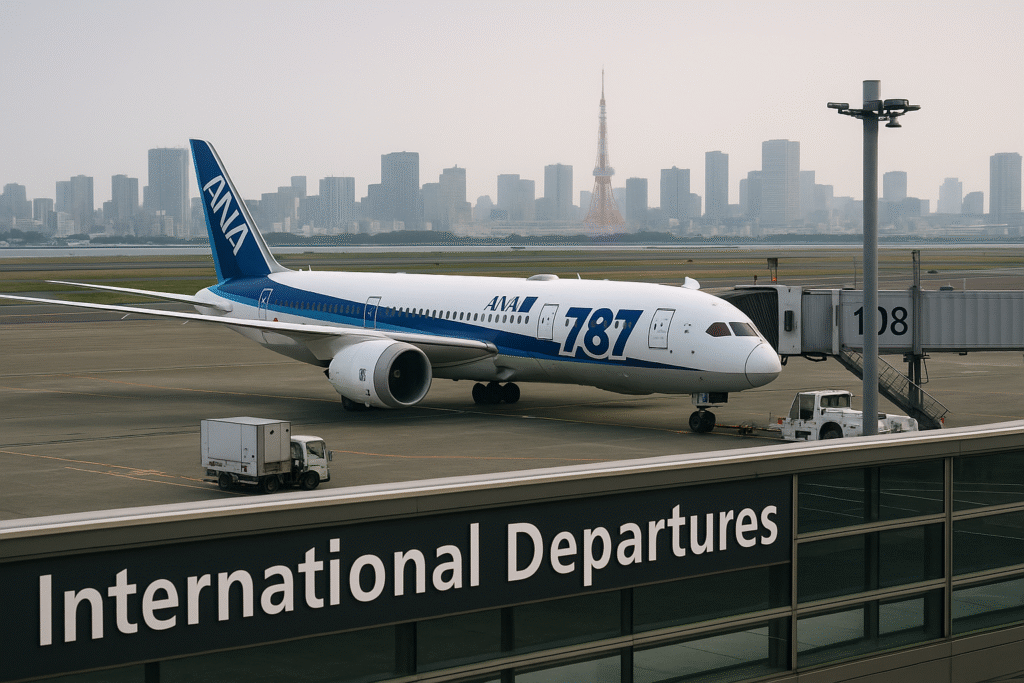
Japan is navigating one of its toughest tourism challenges in recent years. Major travel hubs such as Tokyo, Osaka, Nagoya, Fukuoka, Sapporo, Hiroshima, and Okinawa are experiencing a sharp decline in Chinese tourist arrivals. The drop follows a travel advisory from China warning citizens to avoid Japan due to rising political and security concerns.
Airlines across Asia have already rolled out special refund and rebooking policies. Meanwhile, Japan’s domestic tourism sector is bracing for deeper impacts as the situation develops.
Why Japan-China Tensions Escalated
Recent political statements concerning Taiwan triggered a fresh round of diplomatic strain. Leadership remarks in Japan suggested potential military involvement should tensions around Taiwan intensify. China reacted strongly, viewing the comments as provocative.
This led to a travel warning urging Chinese citizens to reconsider travel to Japan. The advisory also highlighted unresolved incidents involving Chinese nationals, prompting authorities to call for increased vigilance.
The outcome was immediate. Tourism flows slowed. Bookings dropped. Airlines witnessed a flood of refund requests.
Tokyo Feels the Direct Impact
Tokyo, Japan’s busiest gateway, has seen the fastest shift. The city usually welcomes millions of Chinese visitors each year. These tourists drive demand for hotels, restaurants, shopping districts, and theme parks.
Since the advisory, Tokyo airports reported fewer inbound flights, mainly from Chinese carriers. Many travelers are postponing their plans. Airlines in both countries continue to process cancellation and rebooking requests as demand sharply cools.
Osaka’s Tourism Struggles Deepen
Osaka, celebrated for its food culture and access to Kyoto and Nara, has taken a noticeable hit. Hotels report lower occupancy. Kansai International Airport is receiving fewer arrivals from mainland China. Shopping districts such as Namba and Shinsaibashi, usually filled with tourists, feel quieter than usual.
Small businesses that depend heavily on tourist spending now face growing uncertainty.
Nagoya Sees Both Leisure and Business Travel Drop
Nagoya, home to major industrial hubs and historic landmarks, has seen slowed activity as well. Business travel from China has dropped. Many leisure travelers have postponed their plans entirely. Airlines serving Chubu Centrair Airport have adjusted schedules to match reduced demand.
The city’s tourism officials now look toward domestic visitors to cushion the short-term slowdown.
Fukuoka and Southern Japan Hit by Declining Arrivals
Fukuoka, the main entry point to Kyushu, is also struggling with cancellations. The city normally attracts tourists interested in local cuisine, scenic temples, and easy ferry access from neighboring regions.
The travel advisory has led to a wave of rebookings and refund requests. Hotels and tour operators expect continued pressure if the political tension persists.
Sapporo’s Winter Tourism at Risk
Sapporo’s winter season depends heavily on Asian markets, especially China. The city hosts famous winter festivals and draws skiers from across the region. But airlines flying to New Chitose Airport have already begun adjusting flight frequencies.
Local tourism boards worry that sustained tensions could significantly reduce winter visitor numbers.
Hiroshima and Okinawa Also Affected
Hiroshima, known for its World Heritage sites and peace memorials, has seen group tours from China being cancelled. Okinawa, a tropical favorite famous for its beaches and cultural heritage, reports similar declines. Many travelers have shifted their plans to other destinations in Southeast Asia.
These regions now face an uncertain season ahead.
Airlines Respond with Flexible Options
Several major airlines from China have introduced free refund and itinerary-change options for affected travelers. Many of these measures will continue through the end of the year. Airlines from both sides are coordinating to smooth disruptions and avoid backlogs.
Japan’s travel agencies are also offering alternative travel packages, focusing more on domestic markets and travelers from Southeast Asia.
Wider Tourism Effects Across Asia
The ripple effect extends beyond Japan. Countries like South Korea, Thailand, and Singapore are monitoring shifts in Chinese outbound travel. As Japan loses short-term demand, nearby destinations may see increased interest.
However, analysts suggest that long-term recovery depends on political stability in Northeast Asia.
Japan Prepares for a New Tourism Strategy
Japan may need to strengthen tourism outreach beyond China. Efforts to increase visitors from Europe, the Middle East, and North America are already underway. The government is also promoting sustainable tourism, regional travel, and lesser-known destinations to rebalance visitor flows.
Domestic tourism campaigns, which gained momentum in recent years, may once again play a crucial role in supporting local economies.
What Travelers Should Do Now
Travelers are encouraged to monitor government advisories and airline updates. Those already in Japan should remain aware of their surroundings, follow local guidance, and stay informed about travel changes.
As diplomatic conversations continue, both nations hope to stabilize relations and restore normal travel patterns.
For more travel news like this, keep reading Global Travel Wire