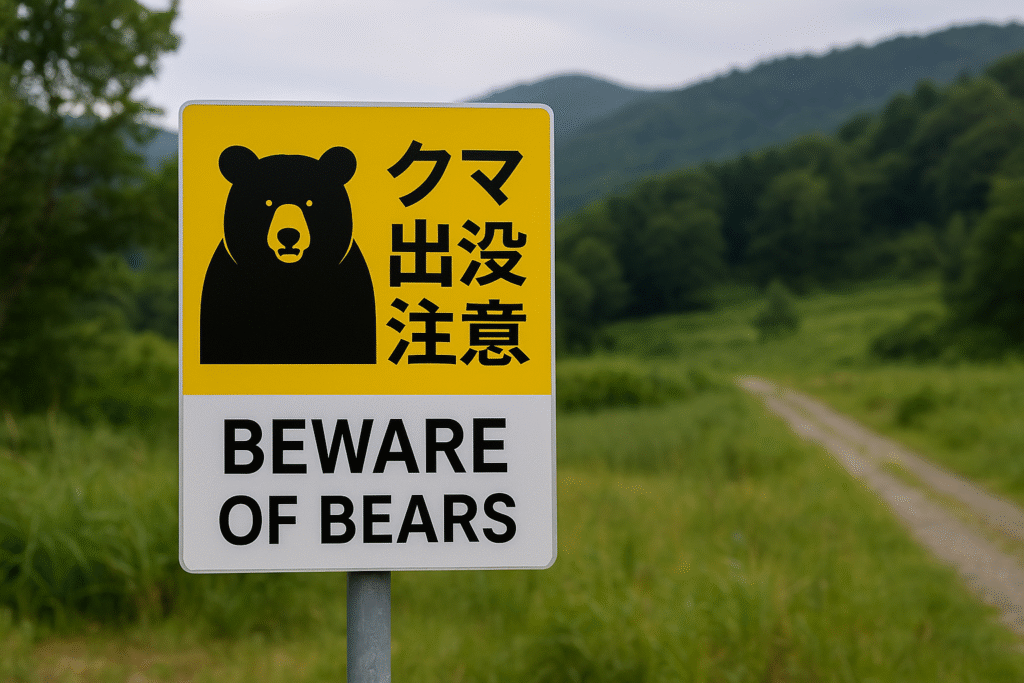
Japan has seen a sharp rise in wildlife attacks, especially involving bears and boars, in remote and rural areas. As a result, China’s embassy has issued a travel advisory for its citizens in Japan, urging extra caution in zones prone to animal encounters.
Since April 2025, more than 100 injuries and at least 12 deaths have been linked to bear attacks across Japan. Many incidents occurred in mountainous or suburban nature-fringe areas. Observers point to habitat loss, dwindling food sources, climate change and rural depopulation as key drivers pushing wild animals closer to human settlements.
What the Chinese Advisory Says
The Chinese embassy in Japan recommends that travelers avoid trails, forests, hillsides and other sites with frequent wildlife sightings such as bears and wild boars. Visitors are advised to stay within populated or urban-tourist zones, monitor local government warnings, and keep away from wildlife habitats during dawn or dusk when animals are most active.
Although the advisory does not ban travel to Japan entirely, it signals heightened concern for visitor safety. Chinese tourists, who make up a large portion of international arrivals in Japan, have been specifically urged to heed the warning and plan their trips with extra care.
Tourist Numbers Still Strong—But Risks Grow
Despite the safety warnings, Japan remains a top destination for Chinese tourists. In September 2025 alone, Japan welcomed around 3.27 million foreign visitors, with mainland Chinese travelers forming the largest group. Over the first nine months of the year, international arrivals surpassed 31 million, of which more than 23 % came from China.
Japan’s appeal lies in its blend of modern cities, cultural heritage, scenic nature and easy accessibility from China. The weak yen and affordable flights further fuel demand. Yet the spike in wildlife attacks is now emerging as a reputational and operational risk for Japan’s tourism sector.
Impact on Tourism & Local Economies
The increase in attacks has triggered travel-industry responses: tour operators are revising itineraries, travel insurance claims are rising, and local governments are under pressure to reinforce visitor safety. Some prefectures are deploying military or self-defense forces to assist in wildlife control and public protection efforts.
If left unchecked, the growing concern among international visitors—especially from China—could translate into reduced interest in rural and nature-based tours, prompting a shift back toward urban-focused tourism.
Japan’s Response: Safety Measures and Challenges
Japanese authorities are stepping up efforts to manage human-wildlife conflict. Measures include strengthened fencing in urban-rural boundaries, wildlife tracking and warning systems, restricting access to high-risk trails, and issuing emergency hunting authorisations in some districts.
Experts caution, however, that long-term solutions must tackle the root causes—wildlife population growth, habitat fragmentation and climate-driven food scarcity. With wildlife behaviour shifting and rural demographics weakening, the tourism sector must adjust accordingly.
Practical Safety Tips for Tourists
- Stick to well-populated areas and marked trails when visiting mountainous or forested regions.
- Avoid hiking or exploring nature zones alone, especially at dawn or dusk when wildlife is most active.
- Follow local government alerts and wildlife warnings; heed signs at tourist sites.
- Keep food sealed and avoid leaving scraps outdoors in rural accommodations.
- In case of wildlife encounter: keep your distance, do not approach or feed animals, and move away calmly.
- Consider travel insurance that covers wildlife-related incidents when venturing into nature zones.
Final Word: Balance Beauty with Caution
Japan’s natural landscapes and rural charms continue to draw visitors from around the world, including China. But with wildlife attacks reaching unprecedented levels, tourists—especially those heading into the countryside—must approach with heightened awareness. Adhering to the advisory and following safety protocols helps ensure a safe, enjoyable experience while respecting the delicate balance between human tourism and wildlife habitats.
For more travel news like this, keep reading Global Travel Wire