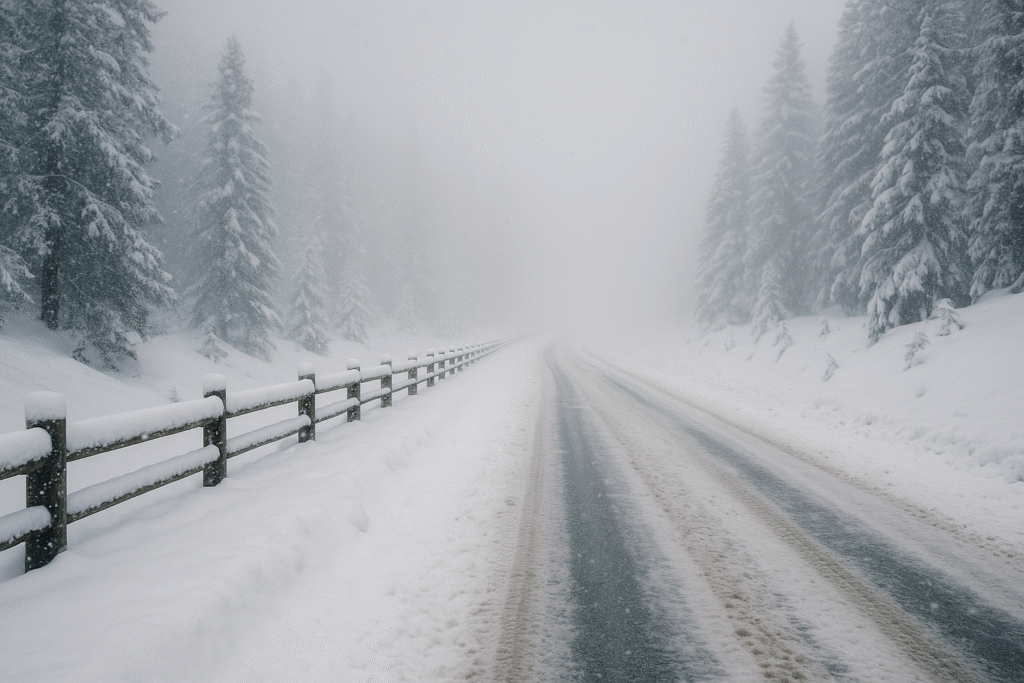
The Kanas Scenic Area in the Altay region of Xinjiang, Northwest China, has temporarily suspended all hiking and outdoor tourism activities after a severe snowstorm swept through the region on Sunday. Authorities announced the suspension to ensure the safety of visitors following the hazardous conditions that disrupted travel routes and made outdoor excursions unsafe.
On Tuesday morning, the Kanas management committee formally declared that all hiking trails, trekking routes, camping sites, and other outdoor activities would remain closed until further notice. The decision underscores the seriousness of the storm’s impact, as the committee placed tourist safety above all else.
Impact of the Snowstorm on Roads and Travelers
The snowstorm, which struck with heavy snowfall and strong winds, caused major disruptions to transportation in the Altay region. Highway S232, a key road linking tourists to the Kanas Scenic Area, was hit hardest. Sections of the highway were blanketed with thick snow and treacherous ice, leaving many vehicles stranded.
Visibility plummeted to dangerous levels during the storm, with icy patches creating hazardous driving conditions. Reports confirmed that several tourists were delayed in reaching their destinations and some faced the risk of being stranded in the freezing weather.
Local road maintenance crews responded swiftly by clearing snow and ice from blocked sections. Thanks to their quick action, traffic resumed by Monday afternoon, and stranded tourists were safely escorted. The efficient coordination between traffic authorities and rescue teams helped minimize risk, ensuring that no major accidents or injuries were reported.
Strict Enforcement of Activity Suspension
In response to the extreme weather, authorities strictly enforced the ban on outdoor tourism activities. Popular pursuits such as hiking, crossing mountain trails, and camping in the scenic area have been prohibited. Officials emphasized that violators who attempt to enter restricted hiking routes without authorization will face penalties.
According to local regulations, individuals who defy the ban and put themselves at risk will also bear financial responsibility for any rescue operations. This measure is in line with China’s tourism law, designed to discourage reckless behavior and safeguard both visitors and emergency responders.
The enforcement is being closely monitored, with patrol teams stationed across entry points to hiking areas. Authorities stressed that only once weather conditions improve and routes are deemed safe will the restrictions be lifted.
Effects on Tourism and Local Economy
The suspension of outdoor activities comes during a critical tourism season. Kanas Scenic Area, famous for its breathtaking natural landscapes, attracts thousands of visitors every year, particularly in autumn and early winter. The area’s snow-covered forests, crystal-clear Kanas Lake, and majestic mountain ranges make it one of China’s most celebrated natural attractions.
Tourism operators have acknowledged the financial impact of the suspension, with guided tours, hotels, and transport services all facing short-term disruptions. However, industry representatives expressed support for the decision, noting that safety must remain the top priority.
While the snowstorm has temporarily slowed tourism activity, the rapid restoration of road access has reassured visitors about the region’s ability to respond effectively to emergencies. Travel agencies believe that once conditions stabilize, visitor numbers will quickly rebound.
Restoration of Road Access and Tourist Safety
The swift reopening of Highway S232 highlighted the strong coordination of local authorities. Snowplows and maintenance teams worked tirelessly to clear the route, restoring access within 24 hours of the storm. Tourists who had been delayed were relieved to continue their journeys, and authorities ensured their safe passage to accommodation facilities and transport hubs.
Officials also used the opportunity to remind visitors about the unpredictable nature of mountain weather in Xinjiang. Travelers are encouraged to check official updates before setting out and to follow all safety advisories to avoid unnecessary risks.
Looking Forward: Resilience of Kanas Tourism
Despite the disruption, the long-term outlook for Kanas Scenic Area remains positive. The region’s tourism department has assured travelers that all outdoor activities will resume as soon as conditions improve. Once reopened, visitors will again be able to enjoy the unique landscapes that make Kanas one of the most sought-after destinations in China.
The area’s attractions extend beyond hiking, offering visitors opportunities to explore cultural sites, local Kazakh traditions, and breathtaking photography locations. Authorities are preparing additional measures to enhance safety during winter tourism, including improved road monitoring systems and early weather warning alerts.
Importance of Responsible Tourism
The recent snowstorm serves as a reminder of the importance of responsible tourism. While nature’s beauty draws millions to destinations like Kanas, it also requires respect for safety measures and preparedness for sudden changes in weather. The management committee urged visitors to remain patient during temporary closures and to avoid attempting unauthorized entry to trails.
Local officials emphasized that the suspension reflects the region’s commitment to protecting both tourists and the fragile environment. By prioritizing safety, authorities ensure that Kanas will remain a sustainable and secure destination for years to come.
Conclusion
The temporary closure of outdoor hiking activities in Kanas Scenic Area demonstrates the delicate balance between tourism development and natural challenges. While the snowstorm has caused short-term disruptions, the efficient response by local authorities highlights the resilience of Xinjiang’s tourism sector.
Travelers can expect that once conditions stabilize, Kanas will continue to welcome visitors eager to experience its snow-draped forests, alpine lakes, and awe-inspiring landscapes. Until then, safety remains the guiding principle, ensuring that future journeys to this remarkable region are both secure and unforgettable.
For more travel news like this, keep reading Global Travel Wire