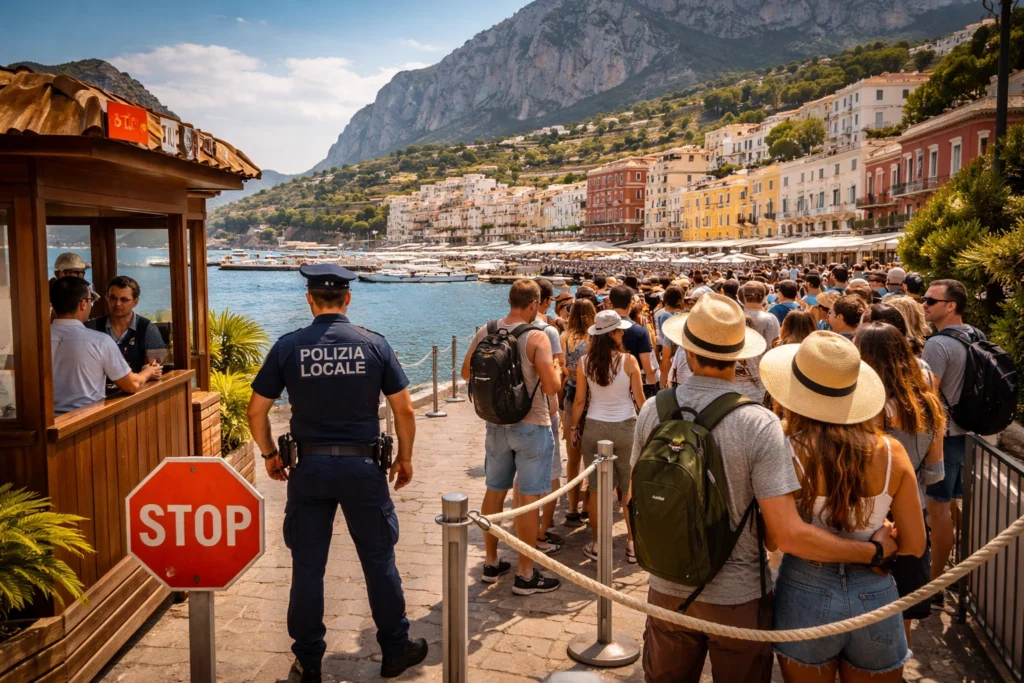
Around the world, tourism authorities are turning to higher visitor fees to manage crowds, protect nature, and raise public revenue. These measures often aim to support sustainability and conservation. Yet, higher costs can discourage travelers, especially those on tighter budgets. Recent trends in Kenya, the Maldives, Rwanda, Bhutan, and Japan’s Mount Fuji show a clear pattern. When fees rise too fast or too high, visitor numbers tend to fall.
This tourism news analysis explores how pricing policies are reshaping travel demand and influencing government strategies.
Bhutan: High Value Tourism Meets Market Reality
Bhutan has long followed a “high value, low volume” tourism model. After reopening to international travel, the country sharply raised its Sustainable Development Fee. The goal was to fund education, healthcare, and environmental protection.
The result was a steep drop in arrivals. Visitor numbers fell to a fraction of pre-pandemic levels. Many regional travelers chose not to visit due to the high nightly charge. Local tour operators reported slower recovery and reduced bookings.
The government later revised the policy. It reduced the daily fee and introduced discounts for longer stays. Officials maintained their commitment to sustainability but accepted that demand had weakened too much. Bhutan’s experience highlights the fine line between exclusivity and accessibility.
Kenya: Conservation Fees and Elastic Demand
Kenya’s national parks are among Africa’s most famous attractions. Wildlife conservation requires heavy investment, and tourism fees play a key role in funding it.
In recent policy proposals, Kenya approved higher conservation fees for international visitors. The increases affected major parks such as Masai Mara and Amboseli. Officials used economic modeling to assess the impact. The analysis showed that even small price sensitivity could lead to fewer park visits.
The projected decline in visitor numbers remains modest, but it is still significant. Authorities expect higher total revenue despite fewer tourists. To offset demand loss, the government plans to invest more in park services, marketing, and community benefits. Kenya’s case shows how higher prices can work if paired with better value and experience.
Maldives: Tax Increases Affect Arrival Trends
The Maldives depends heavily on tourism revenue. Luxury resorts dominate the market, but taxes still influence demand. When the government raised its tourism tax, the change took effect quickly.
Within months, arrival figures showed a noticeable slowdown. Industry groups reported weaker bookings and tighter margins. Many resorts struggled to adjust prices on short notice.
Although overall tourist numbers remain high by regional standards, the short-term dip raised concerns. Tourism operators warned that repeated tax hikes could weaken the country’s competitive edge. The Maldives case underlines how timing and communication matter when adjusting tourism taxes.
Rwanda: Gorilla Permits and Regional Competition
Rwanda’s mountain gorillas are a premium attraction. To boost conservation funding and attract high-spending travelers, the country doubled the price of gorilla trekking permits.
The outcome was mixed. Permit sales dropped sharply in the years following the increase. Many travelers shifted to neighboring countries where permits cost less. While revenue per permit remained high, fewer visitors stayed as long or spent as much in local communities.
Tourism analysts noted that price differences within a region strongly influence traveler choice. Rwanda continues to earn from gorilla tourism, but its experience shows that steep price hikes can shift demand across borders.
Mount Fuji: Fees Combined With Visitor Caps
Japan faced growing concerns about overcrowding on Mount Fuji. Safety issues, litter, and trail erosion prompted authorities to act. Instead of relying on voluntary donations, officials introduced a mandatory climbing fee. They also capped daily climber numbers on the busiest trail.
The results were immediate. Hiker numbers declined, congestion eased, and trail conditions improved. Authorities viewed the policy as a success and announced plans to raise the fee further.
Some local businesses worry about losing budget travelers. However, officials argue that controlled access protects the site and improves safety. Mount Fuji shows how pricing works best when combined with clear limits and enforcement.
Balancing Sustainability and Accessibility
These destinations share a common challenge. Governments need tourism revenue, but they must also protect natural and cultural assets. Higher fees can reduce pressure on fragile sites and fund conservation. At the same time, they risk making travel less inclusive.
Bhutan’s policy reset proves that extreme pricing can backfire. Kenya’s cautious modeling shows how gradual increases can still work. The Maldives highlights the risks of sudden tax changes. Rwanda’s permit pricing reveals the power of regional competition. Mount Fuji demonstrates that fees paired with visitor caps can deliver results.
The lesson is clear. Tourism fees must reflect real demand, regional context, and traveler expectations.
The Future of Tourism Pricing
Tourist levies will likely continue to rise worldwide. Climate concerns, infrastructure costs, and overtourism pressures leave governments with few alternatives. Success depends on smart design. Fees should match carrying capacity, support local communities, and clearly show benefits to visitors.
When pricing feels fair and transparent, travelers accept it. When it feels excessive or sudden, they look elsewhere. Sustainable tourism depends not just on higher fees, but on balanced policies that protect destinations while keeping them open to the world.
For more travel news like this, keep reading Global Travel Wire