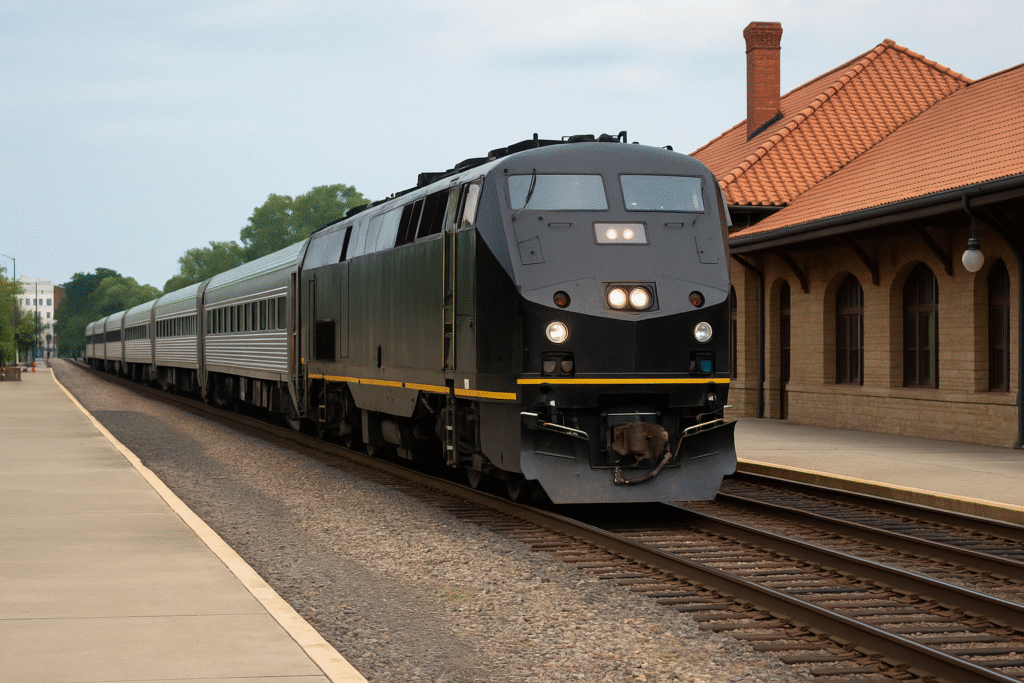
In an ambitious turn for regional mobility, East Tennessee could soon see a revival of passenger rail connecting Knoxville to major cities and beyond. The Federal Railroad Administration (FRA) recently completed a broad review of long-distance rail service, and Knoxville surfaced as a key node in a proposed route that stretches from Houston to New York. The report signals a potentially game-changing moment for tourism and transportation in the region.
A Missing Link Returns
Knoxville hasn’t hosted regular intercity passenger trains for decades. But in recent months the region has gained fresh momentum. According to the FRA’s “Amtrak Daily Long-Distance Service Study,” the route through the region earned one of the highest preliminary scores among potential corridors. Local advocates seized on this moment, arguing that bringing trains back would reconnect communities, boost tourism, and reduce heavy reliance on highways.
Local Debate: Rail vs. Road
While many see promise in the rail idea, some local leaders urge caution. State Senator Becky Massey, who chairs the state transportation committee, notes that Tennessee still faces major highway congestion and carries limited everyday rail usage. She argues that investing in highways may address short-term mobility needs more directly than a large-scale rail revival. That said, she hasn’t ruled out rail entirely — particularly if Knoxville links to a broader regional network.
The Tourism Opportunity
Backers of the rail revival point to tourism as one of the biggest gains. East Tennessee enjoys major travel destinations like the Great Smoky Mountains National Park and vibrant cultural hubs in and around Knoxville. A reliable passenger train could make the region more accessible to visitors from major urban centers. Advocates highlight that improved rail access would give travelers a comfortable, scenic alternative to driving.
Beyond tourism, the rail connection may help Knoxville attract younger professionals and firms seeking well-connected cities – a potential economic boost not limited to holiday travel.
Building Regional Rail Support
For rail to arrive, the region must support it. One emerging strategy: link Knoxville with nearby regional initiatives. For instance, rail efforts in nearby Chattanooga and Virginia are already underway, and advocates suggest Knoxville could join that momentum. Local organizer Jack Coker is forming a coalition to build grassroots support and urge residents to contact their elected officials. He argues that visible local demand will help unlock investments and make the project viable.
Challenges and Practicalities
Rail restoration does not come without hurdles. Officials estimate large sums for rail-line construction and infrastructure upgrades. Further, the highway network already dominates the region’s transportation habits and planning. Some analysts question ridership levels: how many travelers will switch from car to train? Is the valley’s spread and terrain suited for high-frequency service? These practical questions will shape how quickly and effectively any rail project can move forward.
Why Now Matters
The FRA’s study holds significance beyond local interest. It is part of the federal effort under the Infrastructure Investment and Jobs Act to expand passenger rail service across the U.S. The timing means that Knoxville could tap into federal funding and planning windows now under way. If local leaders act promptly, the region may secure its place in the national rail landscape. If they wait, the opportunity could slip away.
Vision for East Tennessee’s Future
Imagine a traveler boarding a sleek train in downtown Knoxville early one morning and arriving in Atlanta or Washington, D.C. by afternoon — while bypassing highway traffic and enjoying scenic views. For the region, that means enhanced mobility, broader tourism reach, and new economic possibilities. Rail can offer more than just transport: it becomes a statement that East Tennessee is open, accessible and forward-looking.
What’s Next?
Local planning and advocacy groups expect meetings, rail-feasibility assessments and conversations around station locations, route alignments and funding. Residents and business leaders will play a role by voicing support, attending public forums and staying informed. The state must determine whether to prioritize rail alongside or instead of highway improvements — a choice with long-term consequences.
Final Word
Knoxville stands at a crossroads. Will the region re-embrace the iron rails of intercity travel — or continue to rely predominantly on highways? The federal study opens the door. Local momentum, political will and practical planning must walk through it. If done rightly, East Tennessee may soon welcome trains again, and with them, fresh possibilities for travel, business and connection.
For more travel news like this, keep reading Global Travel Wire