LANDBANK has renewed its partnership with the Department of Tourism to modernize Philippine tourism systems. The collaboration focuses on digital payments, financial efficiency, and transparent governance. Both institutions aim to support sustainable tourism growth nationwide.
The agreement strengthens efforts to improve ease of doing business. It also supports tourism enterprises, workers, and local communities. Digital transformation now stands at the center of tourism development strategy.
Strategic Partnership Formalized in Makati City
LANDBANK and the Department of Tourism formalized the partnership on January 13, 2026. The signing took place at the new DOT Building in Makati City. Senior leaders from both institutions led the ceremony.
LANDBANK President and CEO Lynette V. Ortiz and Tourism Secretary Ma. Esperanza Christina C. Frasco signed two memoranda. The agreements outline shared goals on digital finance and operational reform.
This renewed alliance reflects a long-term commitment to public sector modernization.
Digital Payments Redefine Tourism Transactions
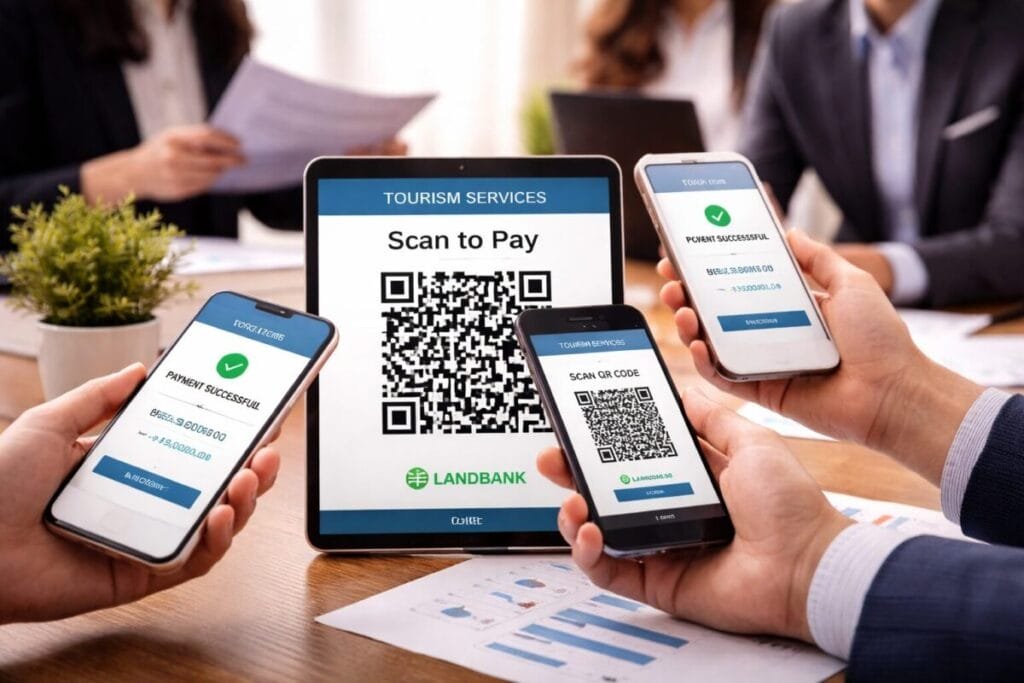
A core feature of the partnership involves the rollout of LANDBANK Link.BizPortal. This digital payment platform enables online settlement of tourism-related fees. Businesses can process accreditation, regulatory charges, and penalties digitally.
The system also supports payments for bidding documents and government services. Tourism enterprises can complete transactions without visiting offices. This shift reduces processing time and administrative friction.
Digital payments improve transparency and reduce manual handling risks.
Link.BizPortal Supports Faster and Cleaner Operations
Link.BizPortal functions as a plug-and-play solution for government agencies. The platform integrates easily with existing systems. Tourism offices can deploy it without complex technical adjustments.
The system reduces paperwork and manual verification. Real-time processing ensures faster confirmation of payments. Businesses gain certainty and predictability during compliance processes.
The platform supports nationwide access, including remote regions.
DOT Gains Capacity to Focus on Core Mandate
LANDBANK emphasized that digital systems free the DOT from administrative burdens. The department can focus on destination promotion and industry development. Faster processes support stronger tourism planning.
Efficient financial workflows allow better allocation of public resources. Tourism programs can roll out without delays caused by manual procurement. This efficiency supports national tourism goals.
The partnership aligns financial systems with sector priorities.
Government Purchase Card Program Enhances Procurement
The Department of Tourism will enroll in the Government Purchase Card Program. The program strengthens internal financial controls. It also improves procurement efficiency.
Sixteen regional directors will receive initial access. These leaders can procure goods and services faster. The system reduces approval layers and shortens purchasing cycles.
Faster procurement supports timely tourism operations across regions.
Financial Controls Support Accountability and Trust
The Government Purchase Card improves audit trails and spending oversight. Transactions receive automatic documentation. Managers can track expenses in real time.
These controls enhance accountability across regional offices. Clear records support compliance with public finance rules. Transparency builds trust among stakeholders and suppliers.
Strong controls encourage responsible public spending.
Digital Systems Empower Local Tourism Enterprises
Tourism businesses benefit directly from digital payment access. Small enterprises can comply with requirements more easily. Reduced travel and waiting time lower operational costs.
Digital access supports inclusive growth across provinces. Rural tourism operators gain equal access to government services. This inclusion strengthens local economies.
Efficient systems help enterprises focus on service quality.
Shared Vision for Community Development
Secretary Frasco highlighted shared values between LANDBANK and the DOT. Both institutions focus on empowering communities. Tourism serves as a pathway for inclusive economic growth.
Digital systems allow local stakeholders to participate fully. Communities can access opportunities without administrative barriers. Tourism revenue can reach broader segments of society.
Community empowerment remains a central policy goal.
Digital Transformation Supports Sustainable Tourism Growth
The partnership supports the national digital transformation agenda. Both institutions promote phygital solutions that combine digital tools with human service. This balance ensures accessibility for all users.
Digital payments reduce paper use and physical travel. These improvements support environmental sustainability goals. Efficient systems also reduce energy and resource consumption.
Sustainability now integrates into operational design.
Tourism Sector Prepares for Future Demand
Tourism demand continues to evolve with technology adoption. Travelers expect seamless digital interactions. Businesses require fast and reliable government services.
The partnership equips the tourism sector to meet these expectations. Modern payment infrastructure improves competitiveness. Digital readiness supports global tourism standards.
The Philippines positions itself as a forward-looking destination.
Strengthening the Philippines as a Tourism Leader
LANDBANK and the DOT aim to strengthen the country’s tourism reputation. Digital systems support investor confidence and business growth. Transparent processes attract domestic and international stakeholders.
Improved efficiency enhances destination management and service delivery. Tourism promotion gains support from strong operational foundations.
The partnership supports long-term sector resilience.
A Forward-Looking Commitment to Tourism Excellence
LANDBANK and the Department of Tourism share a clear commitment to innovation. Digital payment systems serve as tools for growth and inclusion. The partnership strengthens governance and service delivery.
Tourism stakeholders gain efficiency, clarity, and access. Communities benefit from expanded economic participation. The Philippine tourism sector moves closer to a digitally enabled future.
For more travel news like this, keep reading Global Travel Wire