







Laos is moving closer to a major wage decision that could reshape its economy and tourism sector. Authorities are reviewing the Laos minimum wage increase 2026 as inflation continues to rise across the country. This development has sparked concerns among travelers, businesses, and local communities. Rising costs are already affecting daily life, and the tourism sector now feels the pressure.
Wage Review Gains Urgency Amid Inflation
Officials held a key meeting in Vientiane on 19 March to discuss wage adjustments. The National Labor Committee led the discussions with input from workers, employers, and government representatives. Each group presented different priorities based on current economic conditions.
The current minimum wage stands at LAK 2.5 million per month. Authorities raised this amount in October 2024. However, inflation has continued to climb since then. February recorded a 6.2 percent inflation rate, which increased financial pressure on households.
Many families now struggle to manage basic expenses. As a result, the wage review has gained urgency across the country.
Competing Proposals Highlight Economic Divide
The committee did not agree on a single solution. Instead, three proposals reflect different economic viewpoints. Each option aims to balance worker needs with business stability.
Labor groups support a higher increase to LAK 4.1 million per month. They believe this level will help workers cope with rising living costs. Their focus remains on improving quality of life.
Employers have suggested a more cautious increase to LAK 2.8 million. They worry that higher wages may increase operational costs. This could affect hiring and long-term business growth.
The government has proposed a middle option. Officials suggest a base wage of LAK 2.7 million with additional allowances. This plan could bring total earnings close to LAK 3.6 million. Authorities based this approach on long-term consumer price trends.
Rising Living Costs Drive Policy Debate
The wage discussion reflects deeper economic challenges across Laos. Living costs have increased rapidly in recent months. These changes affect both residents and visitors.
Housing expenses continue to rise in urban areas. Rent and utility bills now take a larger share of household income. Many families must adjust spending habits to cope.
Food prices have also increased steadily. Healthcare and education costs have followed the same trend. These rising expenses reduce disposable income and limit savings.
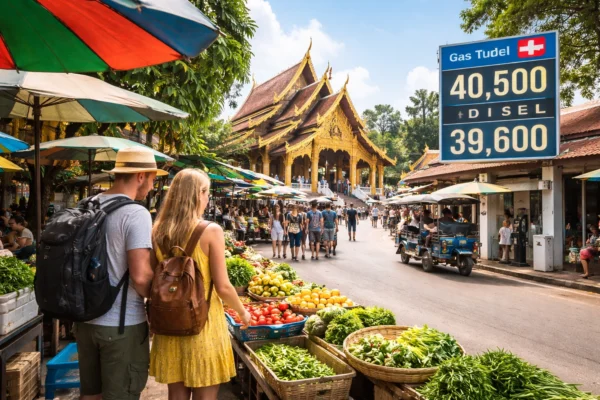
Fuel prices have seen the sharpest increase. Petrol prices jumped significantly within a short period. Diesel prices have also surged, which has raised transport costs nationwide.
Tourism Sector Feels Immediate Impact
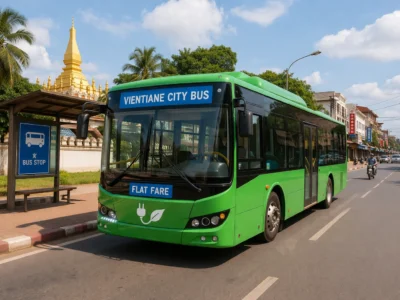
The tourism industry plays a key role in Laos’s economy. Rising costs now threaten its growth and competitiveness. Tour operators and hospitality businesses are already adjusting pricing strategies.
Higher fuel costs increase transportation expenses for tours and travel services. Hotels and restaurants also face higher operating costs. These increases often pass on to tourists through higher prices.
Travelers may notice higher accommodation rates and tour package costs. Budget travelers could reconsider visiting Laos due to rising expenses. This shift could affect visitor numbers in the coming months.
At the same time, local tourism businesses must remain competitive with neighboring countries. This creates additional pressure on pricing and service quality.
Balancing Worker Needs and Business Stability
The wage increase debate presents a complex challenge. Workers need higher incomes to keep up with inflation. However, businesses must control costs to remain sustainable.
If wages rise too quickly, companies may increase prices. This could further impact consumers and tourists. On the other hand, smaller wage increases may not provide enough relief for workers.
Authorities must carefully balance these factors. The final decision will influence both economic stability and tourism growth.
Government Reviews Long-Term Economic Strategy
The wage discussions also reflect broader economic planning. Laos aims to strengthen its labor system while supporting sustainable growth. Officials are reviewing how wages, inflation, and productivity interact.
The government continues to explore policies that support both workers and businesses. These efforts include improving labor conditions and encouraging economic resilience.
Tourism remains a priority sector for national development. Therefore, authorities must consider how wage changes will affect travel demand and industry performance.
Regional Trends Add More Pressure
Laos is not alone in facing these challenges. Many countries across Asia are dealing with rising inflation and wage pressures. Governments are reviewing similar policies to support their populations.
These regional trends influence travel decisions as well. Tourists often compare costs across destinations. If prices rise significantly, they may choose alternative locations.
This situation places Laos in a competitive environment. The country must maintain affordability while supporting its workforce.
Decision Now Moves to Prime Minister’s Office
All proposals have now moved to the Prime Minister’s Office for final review. Officials will evaluate each option before making a decision. The outcome will shape economic conditions for the coming years.
Authorities understand the importance of this decision. They must address worker concerns while protecting business stability. The tourism sector will also depend on this balance.
The Bigger Picture for Tourism and Economy
The Laos minimum wage increase 2026 represents more than a policy change. It reflects the country’s response to global economic pressures. Rising fuel prices and inflation continue to affect daily life and travel costs.
Tourism businesses must adapt quickly to these changes. At the same time, travelers will adjust their plans based on affordability. This dynamic will shape the future of Laos’s tourism industry.
Final Takeaway
Laos faces a critical moment as it reviews its minimum wage policy. Rising costs have increased pressure on workers, businesses, and the tourism sector.
The final decision must balance economic growth with financial stability. Authorities aim to support workers without disrupting business operations.
As inflation continues to rise, the outcome will influence both local livelihoods and international travel trends. Laos now stands at a crossroads that will define its economic and tourism future.
For more travel news like this, keep reading Global Travel Wire