Peru has introduced major changes to how travellers visit Machu Picchu in 2026. The new system includes visitor caps, fixed circuits, and strict booking timelines.
Authorities aim to protect the UNESCO-listed site while improving visitor management. These updates mark one of the most significant shifts in access to the historic citadel.
Tourism officials confirmed that the new framework focuses on sustainability and controlled access. Travellers must now plan visits more carefully than in previous years.
Daily Visitor Caps Limit Entry to Machu Picchu
The Peruvian government has introduced strict limits on daily visitors. These caps apply to all tourists, including guided groups.
During the low season, the site allows up to 4,500 visitors per day. In peak periods, including April, the cap rises to 5,600 visitors.
These limits aim to reduce overcrowding and preserve the site’s structure. They also create a more predictable visitor flow.
However, availability will become more limited. Travellers must book well in advance to secure entry.
Mandatory Circuits Replace Free Exploration
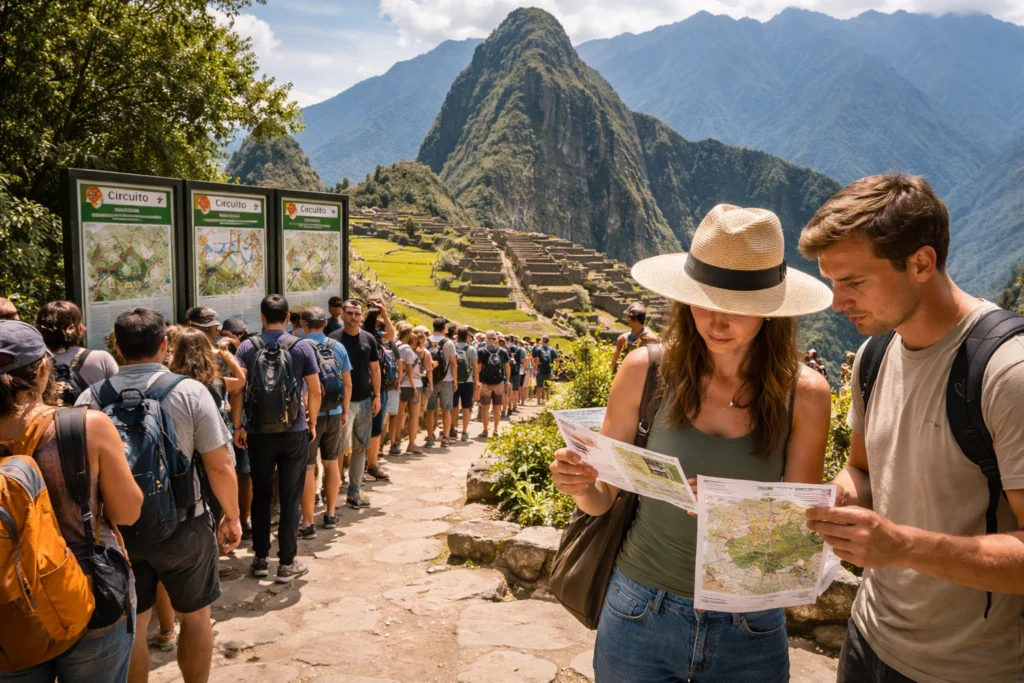
Visitors can no longer explore Machu Picchu freely. The new system requires travellers to select one of three circuits during booking.
The Classic Circuit covers key landmarks and iconic viewpoints. It offers a comprehensive experience within a structured route.
The Panoramic Circuit focuses on elevated views and scenic perspectives. It limits access to certain core areas while highlighting the landscape.
The Royal Circuit showcases ceremonial and historic zones. It provides insight into Inca architecture and cultural significance.
Once inside, visitors must follow their chosen route. Switching between circuits is not allowed under the new rules.
New Booking System Introduces Time Limits
A strict payment window now applies to ticket reservations. Travellers must complete payment within three hours of booking.
If payment is not completed, the reservation is automatically cancelled. Tickets then return to the system for other users.
This approach improves ticket availability and reduces unused reservations. It also requires travellers to act quickly when booking.
International visitors must consider time zone differences. Delays could result in losing preferred dates or routes.
Travel Planning Becomes More Structured
The new rules require detailed travel planning. Visitors must align tickets with transport, accommodation, and entry times.
Most travellers begin their journey in Cusco. Coordinating train schedules and entry slots is now more important.
Guided tours are gaining popularity under the new system. They help visitors navigate circuit choices and timing restrictions.
Advance booking is now essential, especially during peak travel months. Last-minute trips will become more difficult to arrange.
Wider Impact on Peru’s Tourism Network
The changes extend beyond Machu Picchu itself. They influence travel patterns across the Andes region.
The Sacred Valley may see increased visitor activity. Travellers may spend more time in nearby destinations due to limited access.
Inca Trail permits must now align with the new entry system. Trekkers must coordinate arrival times with assigned circuits.
This shift supports a more balanced tourism model. It spreads visitor traffic across multiple locations in Peru.
A Shift Toward Sustainable Tourism
The 2026 regulations reflect a broader move toward sustainable tourism. Authorities aim to protect Machu Picchu’s cultural and environmental value.
Controlled visitor numbers reduce strain on the site. Defined routes help manage foot traffic and preserve key areas.
Technology-driven booking systems improve efficiency and access control. These measures align with global heritage management practices.
What Travellers Need to Know Before Visiting
Travellers must choose their circuit during booking. They should complete payment within the three-hour window.
Planning ahead is essential to secure preferred travel dates. Coordinating transport and accommodation will ensure a smoother experience.
Visitors should also review entry times and site regulations carefully. This helps avoid issues during their visit.
Future of Travel at Machu Picchu
The new system signals a long-term shift in how travellers experience Machu Picchu. Structured access will define future visits.
Peru aims to balance tourism growth with preservation. The updated rules create a more controlled and sustainable model.
For travellers, preparation is now key. Understanding the new system ensures a seamless and rewarding journey to one of the world’s most iconic destinations.
For more travel news like this, keep reading Global Travel Wire