Madagascar has received a major tourism boost as the United States lowers its travel advisory from Level 3: Reconsider Travel to Level 2: Exercise Increased Caution. The update, issued in early December 2025, reflects notable improvements in the country’s security landscape. This shift offers renewed optimism for the nation’s tourism sector, which has faced years of disruption due to political instability, weak infrastructure, and declining visitor numbers.
The lower advisory level signals that conditions in many parts of Madagascar are now more stable. For travelers, the change suggests safer mobility, better controlled security issues, and greater confidence for international visits. However, U.S. officials still advise caution in certain regions, as pockets of crime and limited resources continue to pose challenges.
Understanding the Remaining Risks for Travelers
While the overall security situation has improved, travelers should remain alert. Violent crime still occurs in isolated rural zones, and incidents of armed robbery and assaults remain concerns outside major cities. Petty theft is more common in busy markets and tourist hubs, making vigilance essential in crowded public areas.
Medical Infrastructure Concerns
Madagascar’s medical facilities vary widely:
- Urban healthcare centers offer moderate services but may fall short of international standards.
- Rural regions often lack reliable medical care, specialists, and emergency response systems.
Travelers should secure comprehensive travel insurance, carry essential medications, and prepare for limited options outside major cities such as Antananarivo and Toamasina.
Regions Identified as Higher Risk
Authorities continue to advise avoiding several locations due to elevated security threats, limited infrastructure, and reports of violence. These include:
- Tsaratanana (Betsiboka region) – Remote terrain with minimal law enforcement presence.
- Betroka (Anosy) – Known for sporadic violence and conflict-related risks.
- Tsiroanomandidy–Maintirano corridor – Documented criminal activity along road routes.
- Miandrivazo–Malaimbandy corridor – Occasional armed incidents and isolated attacks.
- Ihosy–Betroka road – Higher risk due to remoteness and insufficient security patrols.
These areas rarely appear on mainstream tourism itineraries, so most visitors will not pass through them. Still, travelers planning extensive inland exploration should monitor local updates and avoid unnecessary travel in the listed regions.
Tourist Hotspots That Remain Safe and Open
Despite isolated risks, Madagascar’s major tourism centers remain secure, accessible, and well-prepared for international guests. Tourism businesses are actively improving services, safety procedures, and local guidance to enhance the visitor experience.
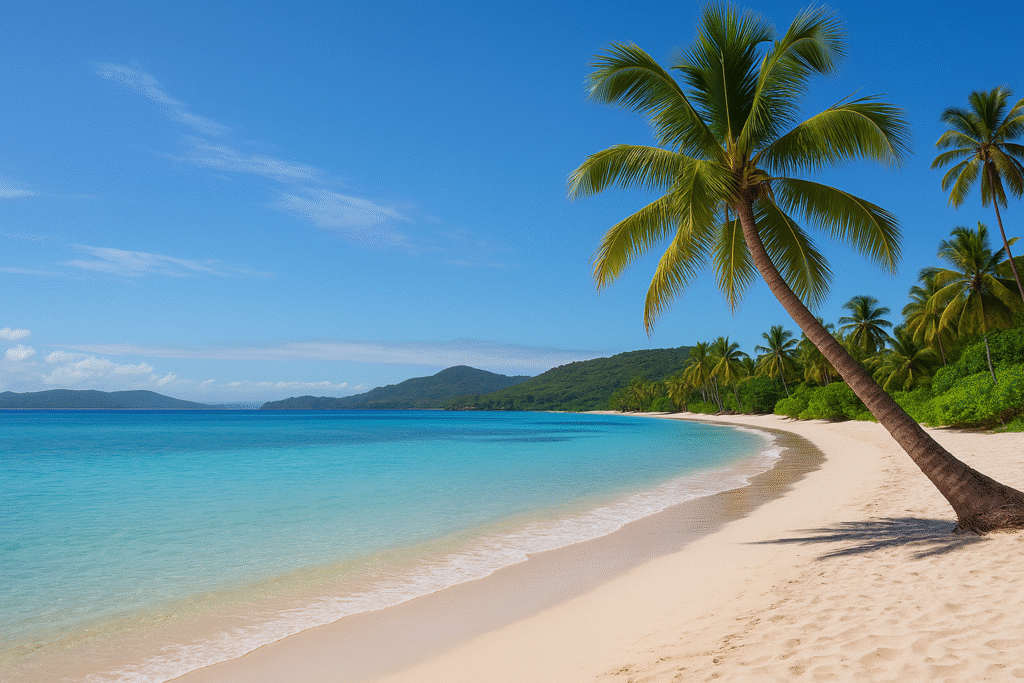
Nosy Be
Known for white-sand beaches, coral reefs, and its iconic ylang-ylang aroma, Nosy Be remains Madagascar’s top island destination. Travelers flock here for snorkeling, diving, and family-friendly resorts.
Diego-Suarez (Antsiranana)
This northern region offers breathtaking coastal scenery, emerald bays, and wildlife-rich forests. Its established tourism network makes it one of the safest areas for visitors.
Montagne d’Ambre National Park
Famous for rainforest trails, crater lakes, and cooler temperatures, this park attracts hikers, bird-watchers, and eco-tourists.
Ankarana National Park
Visitors come for the dramatic limestone tsingy formations, lemurs, caves, and easy-to-navigate trails.
Sainte-Marie Island
Perfect for relaxation, this tropical island is known for calm beaches and seasonal whale watching.
These areas continue to welcome travelers with stable security conditions and well-developed tourism services.
Signs of Recovery for Madagascar’s Tourism Sector
The advisory downgrade offers fresh momentum to a sector working hard to rebound. After the pandemic and several challenging years, Madagascar’s tourism authorities have aimed to restore visitor confidence by improving safety standards and promoting eco-friendly travel.
Tour operators report rising inquiries from Europe, the U.S., and South Africa. Many hope the new advisory level will revive employment opportunities and boost income for local communities. However, industry leaders acknowledge that full recovery depends on long-term improvements in infrastructure, road conditions, and healthcare services.
Essential Tips for Visiting Madagascar in 2025
1. Stick to Safe Tourist Zones
Focus on secure areas such as Nosy Be, Diego-Suarez, Montagne d’Ambre, and Ankarana for a comfortable and safe trip.
2. Avoid High-Risk Regions
Do not travel through areas that remain on the elevated-risk list. Road corridors in particular demand caution.
3. Plan Ahead for Medical Needs
Bring personal medications, secure full travel insurance, and stay within reach of urban medical facilities when possible.
4. Stay Alert in Public Areas
Pickpocketing can occur in markets and transport hubs. Keep valuables secure and avoid traveling alone late at night.
5. Choose Reputable Tour Operators
Local agencies with strong safety records can help manage transportation, accommodations, and excursions with greater reliability.
Conclusion: A Positive Step Toward a Safer Travel Experience
The shift from Level 3 to Level 2 marks a meaningful improvement for Madagascar’s global tourism outlook. While certain regions still pose risks, the country’s celebrated tourist destinations remain safe, open, and eager to welcome visitors. With proper planning and awareness, travelers can enjoy Madagascar’s extraordinary landscapes, unique wildlife, and rich cultural heritage with increased confidence.
This change is more than a downgrade—it is a signal of progress and hope for one of the world’s most biodiverse island nations.
For more travel news like this, keep reading Global Travel Wire