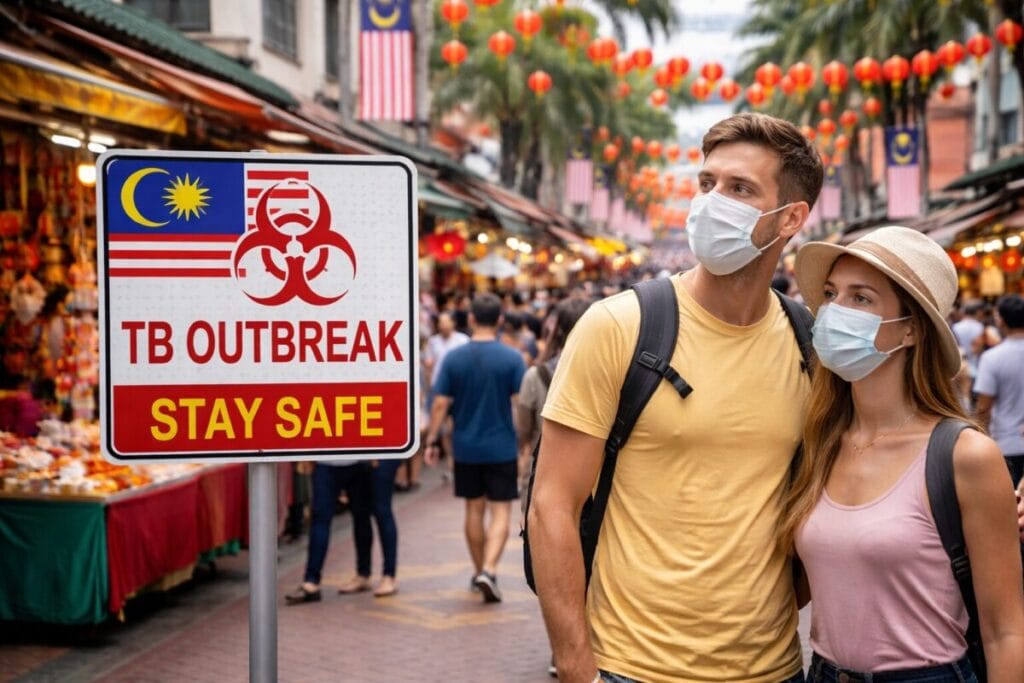
Malaysia has confirmed a rise in tuberculosis (TB) cases in early 2026, with health authorities identifying ten new clusters across several regions. The increase comes as the country prepares for major festive seasons and growing tourism arrivals. Officials now urge travelers and residents to remain cautious and follow updated health guidelines.
Recent health updates show more than 2,500 TB cases recorded nationwide between January and early February 2026. One notable cluster in Kota Tinggi, Johor, includes dozens of confirmed infections, with several cases involving students. Local authorities continue monitoring close contacts and expanding screening efforts.
The development has drawn attention from regional public health agencies. However, experts emphasize that most travelers can continue visiting Malaysia safely by adopting basic precautions.
Understanding Tuberculosis and Why It Matters for Travelers
Tuberculosis is a bacterial infection caused by Mycobacterium tuberculosis. It mainly affects the lungs but can spread to other organs if untreated. TB remains one of the world’s most persistent infectious diseases, especially in regions with high population density or increased international movement.
Common symptoms include:
- Persistent cough lasting weeks
- Fever and night sweats
- Fatigue and unexplained weight loss
- Coughing blood in advanced cases
The disease exists in two main forms:
Latent TB Infection
The bacteria stay inactive in the body. People show no symptoms and cannot spread the infection. However, latent TB can become active later if immunity weakens.
Active TB Disease
The infection becomes symptomatic and contagious. Individuals can spread TB through respiratory droplets when coughing or sneezing.
Travelers should understand this distinction because exposure does not always lead to illness.
How TB Spreads and Who Faces Higher Risk
TB spreads through the air during prolonged close contact with someone who has active disease. Brief encounters usually carry low risk. Enclosed environments with poor ventilation increase exposure chances.
Certain groups face higher vulnerability:
- Young children and elderly individuals
- People with weakened immune systems
- Individuals with chronic illnesses such as diabetes
- Close household or workplace contacts of infected persons
Public health experts advise high-risk individuals to assess travel plans carefully and consult medical professionals before departure.
Impact on Tourism and Travel Planning
Malaysia remains a popular destination in Southeast Asia, especially during festive periods such as Chinese New Year and Ramadan. Despite rising TB clusters, authorities have not recommended broad travel restrictions.
Tourism operators continue normal operations while encouraging visitors to follow health advisories. Airports, hotels, and public venues have increased awareness campaigns and hygiene messaging.
Most health specialists agree that travelers do not need to cancel trips unless they belong to vulnerable groups or develop symptoms. Instead, awareness and preventive measures remain the primary focus.
Essential Health Precautions for Travelers
Visitors can reduce risks significantly by following simple preventive steps. Travel health experts recommend:
- Wearing masks in crowded indoor spaces or public transport
- Maintaining good hand hygiene
- Avoiding close contact with individuals who appear ill
- Choosing well-ventilated environments whenever possible
- Monitoring personal health during and after travel
Travelers should also consider routine vaccinations and general wellness practices before international trips. Although there is no universal adult TB vaccine widely used globally, maintaining strong overall health supports immune response.
Screening, Treatment, and Prevention Measures
Early detection plays a critical role in controlling TB spread. Malaysian health authorities continue contact tracing and community screening programs to identify infections quickly.
Treatment for active TB usually involves multiple antibiotics taken for six to nine months under medical supervision. Completing the full treatment course is essential to prevent relapse and drug resistance.
Individuals diagnosed with latent TB infection may receive preventive therapy lasting several months. This approach lowers the risk of developing active disease later.
Medical experts emphasize that TB is treatable and manageable when diagnosed early. Delays in seeking care can lead to severe lung damage or long-term complications.
Regional Context and Public Health Awareness
Tuberculosis remains a concern across parts of Asia despite significant progress in recent years. Urbanization, cross-border travel, and population mobility continue influencing transmission patterns. Neighboring countries also monitor TB trends closely, reinforcing surveillance systems and awareness campaigns.
Travelers should view the situation as a reminder of the importance of travel health planning rather than a reason for panic. Informed decisions help maintain both personal safety and community well-being.
Signs Travelers Should Watch For During or After Trips
Anyone visiting Malaysia should stay alert to potential symptoms, especially within weeks after travel. Warning signs include:
- Persistent cough lasting more than two weeks
- Fever or chills
- Night sweats
- Sudden weight loss or fatigue
Seeking medical advice promptly helps ensure early diagnosis and reduces transmission risks.
Safe Travel Remains Possible with Awareness
The emergence of new TB clusters highlights ongoing public health challenges but does not signal a halt to tourism. Malaysia continues welcoming visitors while reinforcing health guidance.
Travelers who follow precautionary measures, stay informed, and monitor their health can still enjoy safe journeys. Responsible travel habits protect both individuals and the communities they visit.
By remaining vigilant and informed, tourists can explore Malaysia confidently while minimizing risks associated with the current TB situation.
For more travel news like this, keep reading Global Travel Wire