
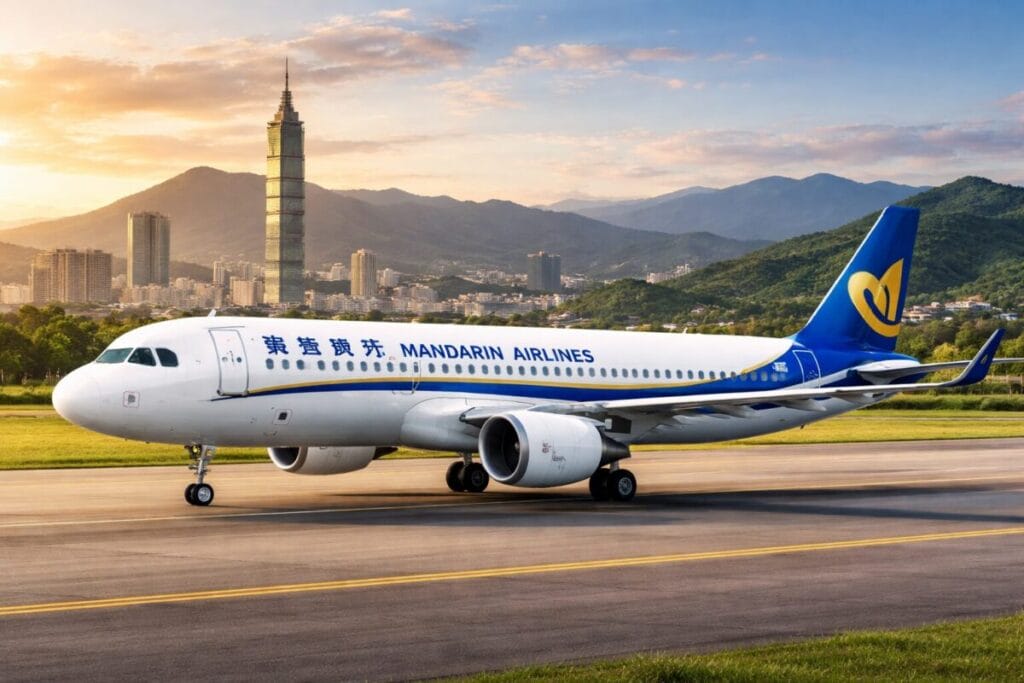
Mandarin Airlines is preparing for a major step forward in its international strategy. The Taiwanese carrier plans to introduce the Airbus A321neo into its fleet. This move will expand regional connectivity and strengthen Taiwan’s tourism recovery.
The airline aims to rebuild its international presence after pandemic disruptions. Demand for travel across Asia has grown steadily. Airlines across the region are restoring routes and adding capacity. Mandarin Airlines is positioning itself to meet this renewed demand.
The Airbus A321neo offers longer range and lower fuel consumption. These features allow the airline to operate efficient medium- to long-haul routes. With this aircraft, Mandarin Airlines can reach more destinations while keeping operating costs under control.
Industry observers expect the new aircraft to support increased flight frequency and improved route flexibility. This development will help Taiwan stay competitive in the regional aviation market.
Strong Support for Taiwan’s Tourism Recovery
Taiwan’s tourism industry continues its gradual recovery. International visitor arrivals are increasing as travel restrictions ease and global confidence returns. Airlines play a central role in restoring tourism flows.
Mandarin Airlines’ expansion aligns with national tourism goals. Taiwan promotes itself as a destination rich in culture, cuisine, and nature. Cities like Taipei offer modern infrastructure and vibrant urban experiences. Destinations such as Kaohsiung provide access to coastal landscapes and cultural attractions.
Natural highlights also attract international visitors. Taroko Gorge remains one of the island’s most iconic scenic spots. Sun Moon Lake draws travelers seeking outdoor activities and relaxation. Improved air connectivity makes these destinations more accessible.
By expanding routes and capacity, Mandarin Airlines supports both inbound and outbound travel. Tourists gain easier access to Taiwan. Local travelers also benefit from more international options.
Expanded Connectivity to Key Asian Markets
The Airbus A321neo allows Mandarin Airlines to target high-demand regional markets. Potential routes include major aviation hubs such as Tokyo, Hong Kong, Bangkok, and Singapore. These cities generate strong tourism and business travel demand.
Improved connectivity creates several advantages. Travelers can enjoy shorter travel times and more direct options. Airlines can operate more efficient schedules. Tourism boards also benefit from increased visibility and accessibility.
Industry trends suggest growing demand for short- and medium-haul flights within Asia. Many travelers prefer direct flights over long transfers. The A321neo’s range makes it ideal for connecting Taiwan with popular destinations across the region.
Future route expansion may extend beyond Asia. Longer-range operations could open opportunities for connections to Australia or other distant markets. These developments would further strengthen Taiwan’s position as a regional aviation hub.
Fuel Efficiency and Sustainability Benefits
The Airbus A321neo represents a significant technological upgrade. The aircraft delivers improved fuel efficiency compared to older models. Reduced fuel consumption lowers operational costs and decreases environmental impact.
Sustainability has become a key focus for the aviation industry. Airlines face pressure to reduce carbon emissions while maintaining growth. The A321neo helps carriers meet these goals through advanced engines and aerodynamic improvements.
Lower emissions also appeal to environmentally conscious travelers. Many passengers now consider sustainability when choosing airlines. By investing in newer aircraft, Mandarin Airlines demonstrates its commitment to greener operations.
The improved efficiency may also help keep fares competitive. Lower operating costs allow airlines to offer more attractive pricing. This could encourage more travelers to visit Taiwan or explore nearby destinations.
Enhancing Passenger Comfort and Experience
Mandarin Airlines plans to improve the overall passenger experience alongside its fleet expansion. The A321neo supports modern cabin designs and upgraded seating configurations. Travelers can expect greater comfort during longer journeys.
New inflight entertainment options and improved cabin environments will appeal to both leisure and business travelers. Modern aircraft also provide quieter cabins and smoother rides. These factors contribute to higher passenger satisfaction.
Enhanced service standards remain a key priority. The airline aims to deliver efficient boarding processes and seamless connections. These improvements support the growing expectations of today’s travelers.
For visitors arriving in Taiwan, a comfortable flight experience creates a positive first impression. This helps strengthen the country’s image as a welcoming and high-quality destination.
Taiwan Strengthens Its Role as a Regional Travel Hub
Taiwan continues to develop its aviation infrastructure. Airports are expanding facilities to handle increasing passenger volumes. Government tourism strategies focus on attracting international travelers through improved accessibility and marketing campaigns.
Mandarin Airlines’ expansion supports these broader goals. More routes and higher capacity strengthen Taiwan’s connectivity with global markets. This development benefits tourism, business travel, and cultural exchange.
The airline’s strategy reflects wider industry trends. Airlines across Asia are investing in fuel-efficient aircraft and modern services. Competition among regional carriers remains strong, making innovation essential.
By introducing the A321neo, Mandarin Airlines signals confidence in future travel demand. The airline aims to balance growth with efficiency and sustainability.
A New Era for Taiwan Travel Opportunities
The addition of the Airbus A321neo marks an important milestone for Mandarin Airlines. It enables route expansion, improved passenger comfort, and greater environmental responsibility.
For travelers, this development means more options and better connectivity. For Taiwan’s tourism industry, it represents another step toward full recovery and future growth.
As international travel continues to rebound, expanded air services will play a key role in shaping Taiwan’s global tourism presence. Mandarin Airlines’ investment signals a bright future for both the airline and the destination it connects to the world.
For more travel news like this, keep reading Global Travel Wire