







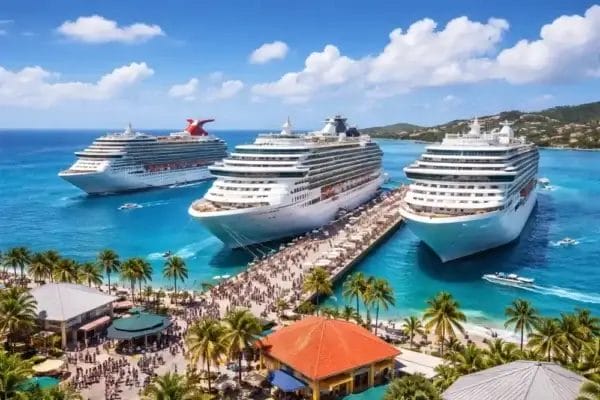






Mano has cancelled all cruise sailings through April 2026, creating shockwaves across the global tourism sector. The decision affects thousands of passengers and multiple international cruise routes. Travelers now face sudden changes to long-planned vacations, while industry experts assess the broader impact.
The cruise line made this move after facing several operational challenges. These include staffing shortages, supply chain issues, and evolving health regulations. As a result, Mano chose to pause operations rather than risk inconsistent service.
This announcement highlights ongoing struggles in the cruise industry. Even years after pandemic disruptions, companies still face complex recovery challenges.
Passengers Face Disruptions and Uncertainty
Thousands of passengers must now rethink their travel plans. Many had booked cruises to popular destinations such as the Mediterranean and Caribbean. These trips often represent once-in-a-lifetime experiences, so cancellations bring strong disappointment.
Mano has promised full refunds for all affected bookings. The company also allows passengers to rebook future sailings with flexible options. This approach aims to reduce frustration and maintain customer loyalty.
However, many travelers must now search for alternatives during peak travel seasons. Prices for replacement vacations may rise due to increased demand. Therefore, some passengers may need to adjust both budgets and expectations.
Travel advisors suggest that affected customers act quickly. Early planning increases the chances of securing comparable trips with other cruise operators.
Operational Challenges Drive the Decision
Mano’s leadership pointed to several key issues behind the cancellations. Staffing shortages remain one of the biggest concerns. Cruise operations require trained crew members across hospitality, safety, and technical roles.
At the same time, logistical problems continue to affect global travel. Delays in port operations, fuel supply issues, and changing regulations create uncertainty. These factors make it difficult for cruise lines to maintain consistent schedules.
Health and safety requirements also continue to evolve. Governments and port authorities regularly update guidelines, which adds complexity to cruise planning. Mano chose to prioritize stability and safety by suspending operations.
This decision reflects a cautious strategy rather than a sudden reaction. The company aims to rebuild stronger systems before resuming services.
Ripple Effects Across the Cruise Industry
Mano’s cancellation will likely impact the wider cruise sector. Many regions depend heavily on cruise tourism for economic activity. Ports, local businesses, and tour operators may experience reduced revenue.
The Mediterranean and Caribbean regions could feel the effects strongly. These areas attract large numbers of cruise passengers each year. A drop in arrivals may affect hotels, restaurants, and local transport services.
Other cruise lines may also review their operations. Industry leaders could strengthen contingency plans and adjust schedules. This situation serves as a warning about the importance of resilience in tourism.
Despite these challenges, some competitors may benefit. Travelers will shift bookings to other cruise companies, increasing demand for available sailings.
Mano Focuses on Rebuilding Trust
Mano has emphasized its commitment to customer satisfaction during this period. The company plans to improve operations before restarting services. It aims to deliver reliable and high-quality cruise experiences in the future.
Executives have also hinted at new routes and upgraded offerings. These may include enhanced onboard services and unique travel experiences. Such improvements could help attract both returning and new customers.
Clear communication will play a key role in rebuilding trust. Passengers expect timely updates and transparent policies. Mano must maintain strong engagement to retain its loyal customer base.
Travelers Explore Alternative Options
Travelers affected by cancellations now explore other vacation choices. Many cruise lines currently offer flexible booking policies. These options allow passengers to change plans without heavy penalties.
Tourism boards and travel agencies encourage early rebooking. Planning ahead helps travelers secure better deals and preferred itineraries. Popular routes may fill quickly due to increased demand.
Some travelers may also consider land-based vacations. Destinations across Europe, Southeast Asia, and the Middle East offer strong alternatives. These options provide diverse experiences without relying on cruise schedules.
Flexibility remains essential during this period. Travelers who adapt quickly can still enjoy memorable vacations.
Future Outlook for Cruise Travel
The cruise industry continues to recover and adapt. Companies now focus on long-term sustainability and operational strength. Mano’s decision highlights the need for careful planning in a changing global environment.
Industry experts believe demand for cruises will remain strong. Travelers still seek unique experiences at sea, especially after years of restrictions. However, companies must balance demand with reliable operations.
Mano may use this pause to strengthen its position in the market. By addressing staffing and logistical issues, the company can return with improved services. This strategy could help it compete effectively in the future.
What Passengers Should Expect Next
Passengers should monitor official updates from Mano in the coming months. The company plans to provide more details about future sailings after April 2026. These updates will clarify timelines and new offerings.
Travelers with bookings beyond April 2026 may gain clearer information soon. Until then, flexibility and preparedness remain important.
The situation reminds travelers to consider travel insurance and flexible booking options. These measures can reduce risks during uncertain periods.
A Turning Point for Global Tourism
Mano’s cancellation marks a significant moment for the cruise industry. It reflects ongoing challenges but also signals opportunities for improvement. Companies must adapt quickly to meet changing traveler expectations.
While disruptions affect passengers today, the long-term outlook remains positive. The tourism industry has shown resilience in the past and continues to evolve.
Mano now faces the task of rebuilding confidence and delivering stronger experiences. If successful, it could return as a more reliable and competitive player in global cruise travel.
For more travel news like this, keep reading Global Travel Wire