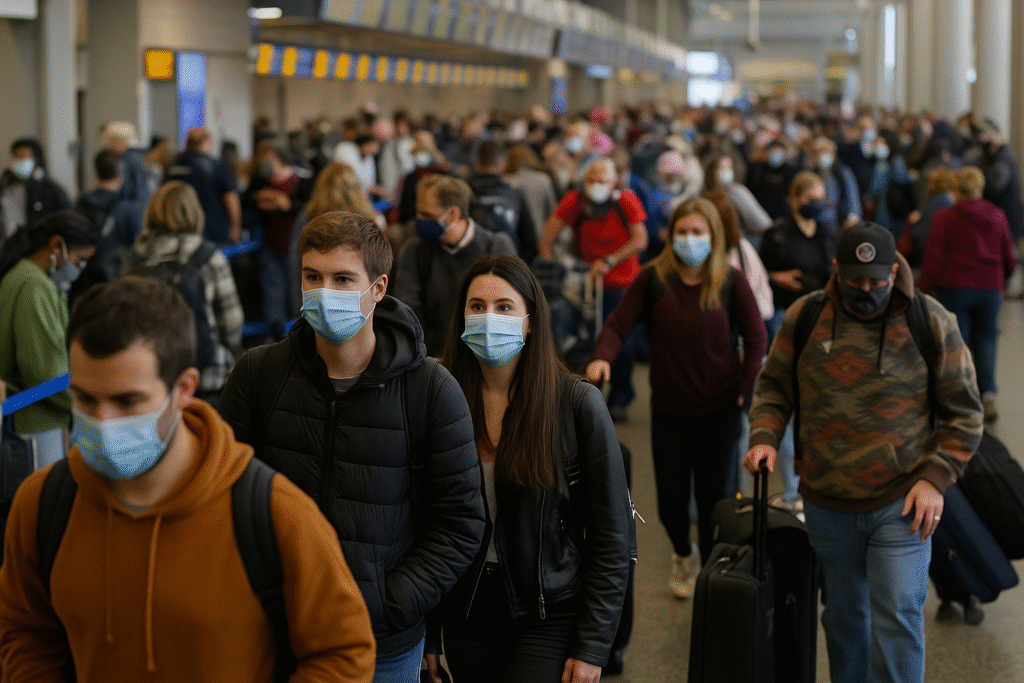
In a major blow to the travel industry and stranded passengers alike, U.S. airlines are grappling with unprecedented operational disruptions. Across the country, thousands of travelers have been affected by approximately 4,856 flight delays and 71 cancellations, impacting major carriers such as American Airlines, United Airlines, Southwest Airlines, KLM and others. The ripple effects are being felt at airports large and small — from Newark Liberty and Boston Logan to San Diego, Denver, Atlanta and beyond.
Widespread impact across key airports
From the Caribbean territories to mainland U.S. hubs, the disruption spans dozens of airports and thousands of passengers. At places like Newark Liberty International and Boston Logan International, delayed flights meant long waits for arrival and departure gates alike. In San Diego and Denver — airports typically regarded as reliable at this time of year — travelers reported significant waiting periods and frustration as staff scrambled to re-route and rebook flights. Even more remote destinations such as St. Thomas (Cyril E. King Airport) and Vieques have been drawn into the delay network, demonstrating how far-reaching the problem has become.
Regional carriers and large airlines alike have been caught in the net. The scale of the disruption points to systemic issues rather than isolated incidents. Whether passengers were planning business travel, holiday bookings or connecting flights, many found themselves stuck or subject to cascading cancellations.
What’s driving the chaos?
Multiple factors are converging to create this severe disruption to air travel:
- Air Traffic Control staffing shortages: The Federal Aviation Administration has reported a deficit of thousands of certified air-traffic controllers. This shortage has forced delays and even slowed traffic flows at key U.S. airports.
- Government shutdown impact: As federal funding lapses persist, essential aviation operations are under strain. Delays in hiring, training and staffing are directly contributing to the swell in delayed flights.
- Weather & infrastructure pressures: While not the sole cause, adverse weather conditions and strained airport infrastructure add to the bottleneck effect, particularly when staff shortages mean fewer backups.
- Technical and system disruption: Airlines and airports are also reporting IT and system challenges that compound delays — especially when flights are missed, crews held up or scheduling systems operate with delays.
- High travel demand and compressed schedules: Post-pandemic travel numbers continue to surge, placing added pressure on a system already coping with resource constraints.
These combined elements paint a picture of a travel ecosystem under stress. One delayed flight can ripple through a network, blocking crew rotations, aircraft availability and passenger connections.
Tips for travellers caught in the disruption
If your flight is delayed or cancelled, here are practical steps to safeguard your trip:
- Stay informed: Monitor your airline’s notifications via email, SMS or app. Real-time updates help you react faster to changes.
- Contact your airline immediately: Upon learning of a cancellation, approach your airline’s service desk or call the hotline. Be persistent.
- Know your rights: U.S. carriers are required under federal rules to re-book you or refund you when they cancel flights. Familiarise yourself with your carrier’s policy.
- Explore alternative routing: If your flight is cancelled and next available service is too far out, ask about alternate airports or partner carriers. Sometimes an indirect route is faster than waiting.
- Be prepared for delay-friendly items: Pack essentials (chargers, medications, snacks, water) in your carry-on. Overnight stays or long layovers may be more likely.
- Document everything: Keep copies of your boarding pass, receipts, notifications and any expenses incurred — useful for reimbursement or claims.
- Stay flexible: Hours and even days of disruption may affect operations. Adjust your plans accordingly and be ready to pivot.
What to expect moving forward
Travelers planning trips in the coming weeks should consider the following:
- Allow for extra buffer time: For trips to or from major airports, build in extra cushion for connections or contingencies.
- Avoid tight layovers: With delays rampant, tight schedules increase the risk of connection misses.
- Choose carriers and airports with care: Some hubs and airlines are coping better than others; research recent performance records.
- Consider travel insurance: Policies covering cancellations and delays can mitigate unexpected costs when systems fail.
- Stay updated on system-wide alerts: Major disruptions often escalate quickly. Be alert to broader aviation news and advisories.
Final thoughts
This surge in flight disruptions across the United States is a stark reminder of the fragility of modern air travel networks. With nearly 5,000 delays and over 70 cancellations sweeping through airports nationwide, the impact on travellers is severe. But with proactive planning, awareness of your rights and readiness to adapt, you can navigate through the turbulence. Flights may be delayed, but with preparation, you can still reach your destination — albeit with a bit more patience and flexibility than usual.
For more travel news like this, keep reading Global Travel Wire