



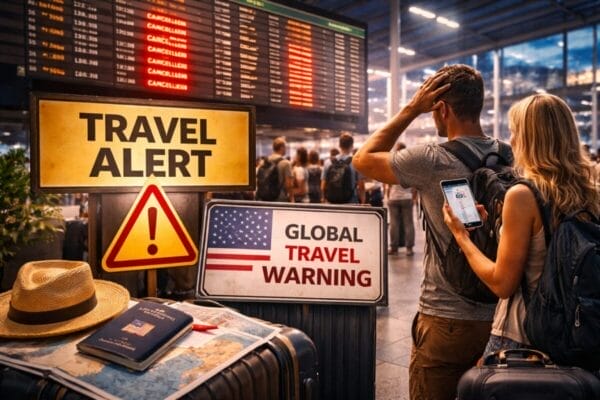



Mexico has joined several Latin American nations in reinforcing extended travel advisories. Cuba, Venezuela, Nicaragua, and Guatemala have also updated safety warnings.
Governments cite localized violence, civil unrest, and service disruptions as key concerns. These developments have drawn global attention from travelers and tour operators.
Tourism authorities continue to welcome visitors. However, officials urge travelers to stay informed and exercise caution in specific regions.
Travel advisors now play a central role in helping tourists interpret official advisories. They guide clients through shifting safety landscapes and evolving travel conditions.
Mexico Faces Localized Security Challenges
Mexico remains one of the most visited destinations in the Americas. Tourists flock to Cancun, Los Cabos, Riviera Maya, and Mexico City each year.
However, certain states face elevated security risks linked to organized crime. Authorities have highlighted regions such as Guerrero, Michoacán, and parts of Jalisco.
Government advisories encourage travelers to exercise increased caution in these areas. Officials stress that violence remains localized and often unrelated to tourism zones.
Major resort destinations continue operating normally. Airports, hotels, and cruise ports maintain full services in popular tourist corridors.
Despite this, heightened media coverage has raised traveler concerns. Visitors increasingly seek clarity about regional safety conditions.
Cuba Monitors Internal Challenges and Travel Disruptions
Cuba has also reinforced safety advisories amid economic and political challenges. Service interruptions and supply shortages have affected parts of the island.
Resort areas such as Varadero, Havana, and Cayo Coco continue to welcome international guests. However, authorities advise caution in more remote locations.
Travel disruptions occasionally arise due to infrastructure strain. Power outages and fuel limitations have influenced transportation schedules.
Cuban tourism officials emphasize visitor safety as a priority. Resort security and tourism police remain active in key destinations.
Travelers should remain aware of changing conditions. Government advisories may adjust quickly based on local developments.
Venezuela, Nicaragua, and Guatemala Issue Continued Warnings
Venezuela maintains one of the region’s strictest travel advisories. Political tensions and economic instability have affected tourism activity.
Nicaragua has experienced sporadic civil unrest in recent years. While major tourist attractions operate, authorities advise caution in certain districts.
Guatemala continues to promote cultural and eco-tourism. However, officials warn about crime in specific urban areas.
These advisories reflect ongoing efforts to balance tourism growth with traveler safety. Governments aim to provide transparent guidance without discouraging responsible tourism.
Travel Advisors Provide Critical Support
Travel advisors now serve as essential resources for concerned travelers. They interpret official advisories and explain regional distinctions.
Advisors often recommend alternative destinations within affected countries. For example, clients may choose Riviera Maya instead of higher-risk states.
In Cuba, advisors guide travelers toward well-established resorts with reliable services. They also provide updates on local transportation and infrastructure.
Professional guidance reduces confusion caused by sensational headlines. Advisors rely on official government sources and local tourism boards for accurate information.
They also help clients adjust itineraries quickly. Flexible booking policies have become increasingly important during uncertain periods.
Tourism Continues Despite Advisory Updates
Despite extended advisories, tourism activity continues across much of Mexico and Cuba. Millions of visitors travel safely each year.
Mexico’s tourism ministry reports strong international arrivals in coastal regions. Cruise ports in Cozumel and Puerto Vallarta remain busy.
Cuba continues to receive travelers from Canada and Europe. Resort occupancy levels remain stable in key destinations.
Governments emphasize that advisories do not equate to full travel bans. Instead, they encourage informed and cautious travel decisions.
Broader Implications for Regional Tourism
Travel advisories can influence booking behavior. Some travelers postpone trips, while others select alternative destinations.
Caribbean islands and Central American countries may see temporary shifts in visitor flows. Safety perception often drives tourism trends.
However, regional tourism boards continue to invest in infrastructure and security. Enhanced police presence and tourism monitoring programs aim to reassure visitors.
Collaboration between governments and private operators strengthens crisis response systems. Resorts and tour companies maintain contingency plans for disruptions.
Staying Informed Before Travel
Travelers should consult official government advisories before departure. Embassies provide updated information on regional safety conditions.
Tourists should also monitor airline communications and local news. Conditions can evolve rapidly in areas facing political or security challenges.
Comprehensive travel insurance offers additional peace of mind. Policies that cover trip interruptions help manage unexpected changes.
Most importantly, travelers should rely on trusted professionals. Travel advisors provide context that official advisories may not fully explain.
Outlook for Mexico and Cuba Tourism
Mexico and Cuba remain cornerstone destinations in Latin American tourism. Both countries offer rich culture, natural beauty, and established hospitality infrastructure.
While safety advisories have increased, tourism authorities continue promoting secure travel experiences. Popular resort areas operate under enhanced safety measures.
Regional governments understand the importance of tourism revenue. They continue strengthening public safety and visitor services.
As conditions evolve, informed travel decisions will remain essential. With proper planning and professional guidance, travelers can continue exploring Mexico, Cuba, and neighboring destinations confidently.
For more travel news like this, keep reading Global Travel Wire