






A temporary five-day ceasefire announced by the United States has created a wave of cautious optimism across the Middle East, offering a much-needed pause in escalating tensions and opening the door for recovery in aviation, tourism, and hospitality sectors.
The short-term halt in military action comes at a critical time for countries such as Qatar, the United Arab Emirates, Saudi Arabia, Bahrain, Lebanon, Oman, and Iraq. These nations have faced severe disruptions in recent weeks, with airspace closures, declining visitor numbers, and widespread uncertainty affecting their economies.
While the ceasefire is limited in duration, it has already begun to influence travel sentiment and operational planning across the region.
A Turning Point for Regional Airspace
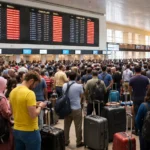
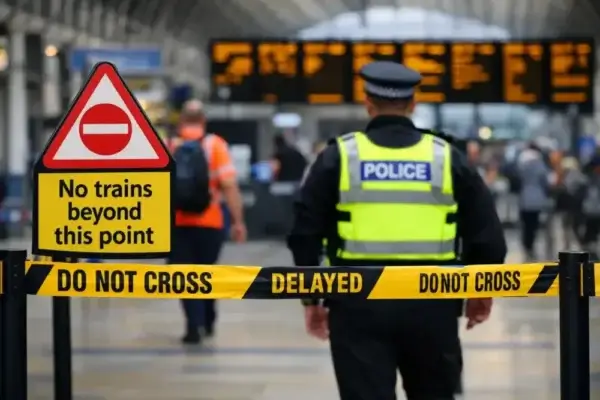
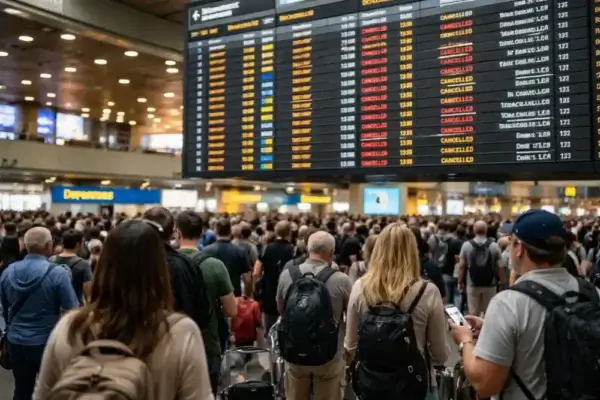
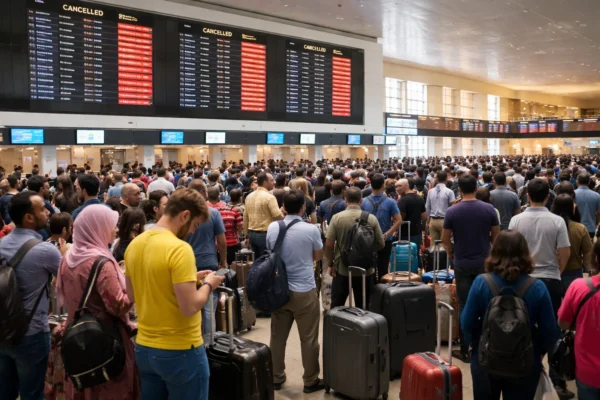
One of the most immediate impacts of the ceasefire is the gradual reopening of airspace. During the peak of tensions, several countries restricted or completely shut down portions of their airspace, forcing airlines to cancel or reroute flights. This significantly disrupted global travel corridors, particularly those connecting Europe, Asia, and Africa through major Middle Eastern hubs.
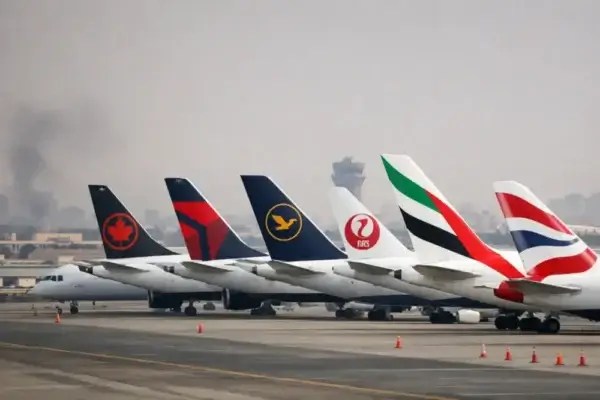
Now, aviation authorities are cautiously resuming operations. Airlines are reinstating routes, and airports are preparing for an increase in passenger traffic. Although full normalization will take time, the easing of restrictions is a crucial first step toward restoring confidence in regional travel.
Major transit hubs are expected to play a key role in this recovery, as they reconnect long-haul routes and rebuild their position in global aviation networks.
Qatar Eyes Gradual Tourism Revival
Qatar, known for its strategic aviation and tourism infrastructure, is among the countries actively preparing for recovery. The recent conflict had led to a sharp decline in passenger traffic and hotel occupancy, particularly in the capital city.
With the ceasefire in place, tourism authorities are focusing on restoring traveler confidence. Hotels have begun reporting a modest rise in bookings, especially from business travelers and regional visitors who had previously postponed trips.
Efforts are also underway to stabilize airline operations and encourage international travel through flexible booking policies and enhanced safety measures. Qatar’s position as a global transit hub is expected to help accelerate its recovery once stability improves.
UAE Reopens Doors to Global Travelers
The United Arab Emirates, a global tourism powerhouse, has also been significantly affected by the recent instability. The slowdown in international arrivals impacted hotels, retail, and entertainment sectors, particularly in major cities known for luxury tourism.
With the ceasefire offering a temporary sense of stability, authorities are working to restart tourism activities. Airports are gradually resuming full operations, and hospitality providers are seeing renewed interest from travelers within the region.
The country’s strong infrastructure, diversified tourism offerings, and global reputation position it well for a rebound. However, officials remain cautious, emphasizing the need for sustained stability to ensure long-term recovery.
Saudi Arabia Balances Growth and Uncertainty
Saudi Arabia’s tourism ambitions, driven by long-term economic diversification plans, faced setbacks during the conflict. Travel disruptions and safety concerns led to cancellations and delayed tourism initiatives.
Now, with a pause in hostilities, the country is working to regain momentum. Domestic tourism is showing early signs of recovery, and preparations for religious travel are continuing with renewed focus.
Authorities are also prioritizing the restoration of international flight routes and strengthening traveler confidence through enhanced security and infrastructure readiness.
Smaller Nations See Emerging Opportunities
Bahrain and Oman, while smaller in scale, are also experiencing early signs of recovery. Bahrain’s tourism sector, particularly business events and regional travel, is beginning to pick up after a period of cancellations.
Oman, known for its natural landscapes and cultural tourism, is positioning itself as a शांत and stable destination. Its neutral diplomatic stance and focus on sustainable tourism could attract travelers seeking alternatives to busier hubs.
Both countries are leveraging the ceasefire window to promote regional tourism and rebuild connections with international markets.
Lebanon and Iraq Seek Stability for Tourism Comeback
Lebanon and Iraq, both facing ongoing internal challenges, have also been impacted by the broader regional tensions. Tourism, a vital economic sector for both nations, experienced significant declines during the conflict.
The ceasefire offers a brief opportunity to revive interest, particularly among regional travelers. Lebanon is promoting its cultural and leisure destinations, while Iraq is focusing on religious and heritage tourism.
Although recovery in these countries will depend on broader stability, the current pause provides a valuable chance to re-engage with travelers and rebuild confidence.
A Fragile but Promising Outlook
The five-day ceasefire represents more than just a pause in conflict—it is a critical window for economic and tourism recovery across the Middle East. Governments and industry stakeholders are using this time to restart operations, restore traveler trust, and prepare for a potential surge in demand.
However, uncertainty remains. The sustainability of this recovery will depend on whether diplomatic efforts can extend the ceasefire or lead to a more permanent resolution.
For now, the region stands at a pivotal moment. The reopening of airspace, the gradual return of tourists, and the resilience of the hospitality sector all signal a path forward. Whether this marks the beginning of long-term stability or a temporary reprieve will shape the future of Middle East tourism in the months ahead.
For more travel news like this, keep reading Global Travel Wire