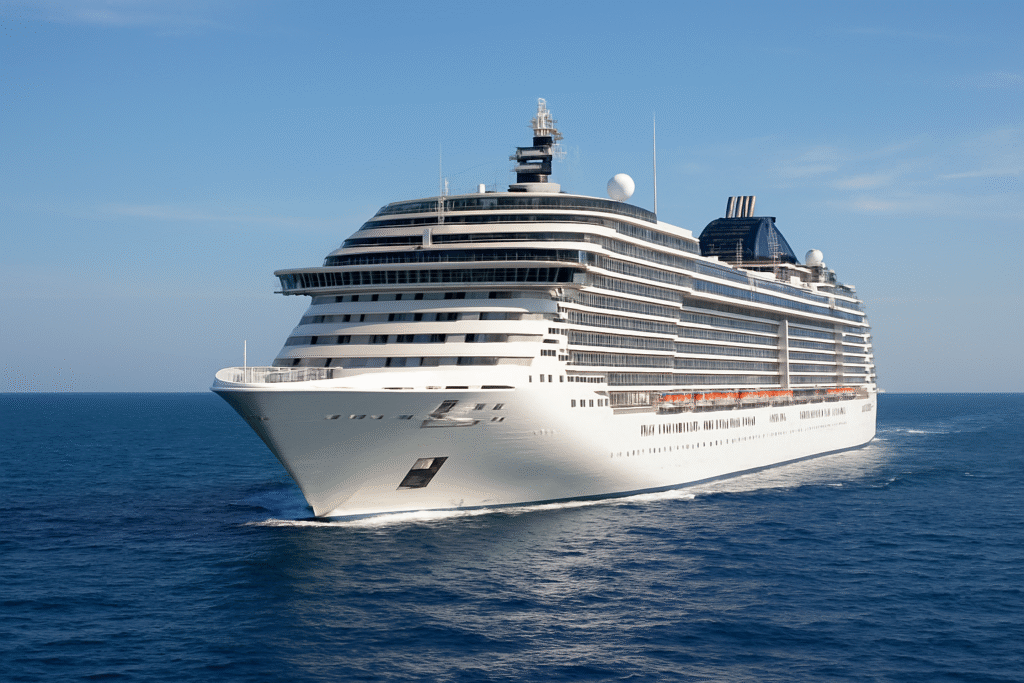
In a significant update for the global cruise industry, MSC Cruises has announced the cancellation of its much-anticipated 2026 repositioning voyage due to ongoing security concerns in the Red Sea. The 29-night itinerary, originally scheduled to depart from Dubai on April 4, 2026, and conclude in Kiel, Germany, was set to include visits to the United Arab Emirates, Qatar, Oman, Jordan, Egypt, and Italy. This cancellation underscores the impact of geopolitical instability on international tourism and travel planning.
Why the Cruise Was Canceled
The decision came after thorough assessments of the geopolitical situation in the Red Sea and Suez Canal regions. Both passages are critical maritime corridors, but they have been subject to heightened instability and security risks in recent years. MSC Cruises emphasized that passenger safety remains its top priority, and given the unpredictability of the region, the company could not guarantee secure passage for its guests and crew. This move highlights the delicate balance between providing enriching travel experiences and ensuring safety amid global uncertainties.
Communication with Guests
Guests who had already booked the Grand Voyage received direct communication from MSC Cruises outlining the cancellation and the available options. The cruise line expressed regret for the disruption caused, acknowledging the extensive planning many passengers undertake for such long voyages. In their official message, the company apologized for the disappointment while reiterating their commitment to passenger safety as the driving force behind the decision.
Options for Affected Passengers
To minimize the inconvenience, MSC Cruises has offered multiple solutions for affected travelers:
- Full Refunds: Guests may cancel their reservations and receive a complete refund, providing immediate financial recovery.
- Transfer to Other Grand Voyages: Passengers can transfer bookings to another MSC Grand Voyage of similar length, with the company ensuring the most favorable cruise fare available.
- Rebooking on Alternative Cruises: Guests may rebook on any other MSC itinerary without incurring change fees. If the new cruise is more expensive, passengers will need to cover the difference, but if the fare is lower, MSC will refund the difference.
Additionally, the cruise line advised travelers to consult their travel insurance providers and any associated service providers such as airlines or hotels. This guidance is meant to help passengers recover potential losses from non-refundable expenses like flights or accommodation reservations tied to the canceled voyage.
Broader Implications for Tourism
The cancellation of such a high-profile cruise itinerary illustrates how regional instability directly impacts global tourism flows. The Red Sea and Suez Canal serve as crucial links between the Mediterranean and the Indian Ocean, making them essential for international maritime trade and tourism. When safety cannot be assured in these corridors, cruise operators are left with limited options, often leading to costly cancellations or significant rerouting.
For Middle Eastern and North African destinations such as Oman, Jordan, and Egypt, cruise tourism represents a valuable source of economic activity. The loss of this itinerary in 2026 may mean reduced tourist arrivals, affecting local businesses that rely heavily on cruise passengers. Meanwhile, European ports, including those in Italy and Germany, will also miss out on the influx of international visitors expected from such a voyage.
Industry Response and Future Outlook
While MSC Cruises’ decision is significant, it reflects a wider trend in the industry where operators must constantly monitor global events to adapt their schedules. Other cruise lines have also faced challenges in recent years, adjusting itineraries due to natural disasters, health crises, or geopolitical tensions. Industry experts note that flexibility and crisis management have become essential skills for modern cruise operators.
Despite the setback, MSC Cruises remains committed to offering diverse itineraries across safer regions. The company emphasized that it continues to invest in new ships and routes to ensure guests enjoy memorable experiences in secure environments. Passengers affected by the cancellation are encouraged to explore other MSC voyages that showcase destinations across Europe, Asia, and the Americas.
Reassurance from MSC Cruises
In concluding its statement, MSC Cruises reaffirmed that the cancellation was not made lightly. The company highlighted its long-standing reputation for customer service and emphasized that it values the trust of its guests. While the Grand Voyage from Dubai to Kiel will no longer take place, MSC remains optimistic that travelers will continue to sail with them in the future, exploring the world through alternative routes that prioritize both safety and discovery.
Final Thoughts
The cancellation of the 2026 Grand Voyage reflects the complex challenges facing international tourism today. From security issues in key maritime regions to the ripple effects on local economies, the decision underscores the importance of safety in global travel. For passengers, the disappointment is significant, but MSC’s proactive measures to provide refunds, transfers, and rebooking opportunities demonstrate the cruise line’s commitment to its guests. Looking ahead, the cruise industry will continue to adapt to shifting global dynamics, ensuring that while routes may change, the promise of exploration and adventure remains at the heart of every voyage.
For more travel news like this, keep reading Global Travel Wire