New Zealand draws millions of visitors each year. Travellers come for volcanic landscapes, pristine coastline, Maori culture and world-class hiking. In 2026 the country remains open for tourism, but recent deadly landslides and weather disruptions have placed safety front and centre. Updated travel guidance from government agencies now highlights environmental awareness, personal preparedness and flexible planning.
Deadly Landslides Near Mount Maunganui Shock Visitors and Residents
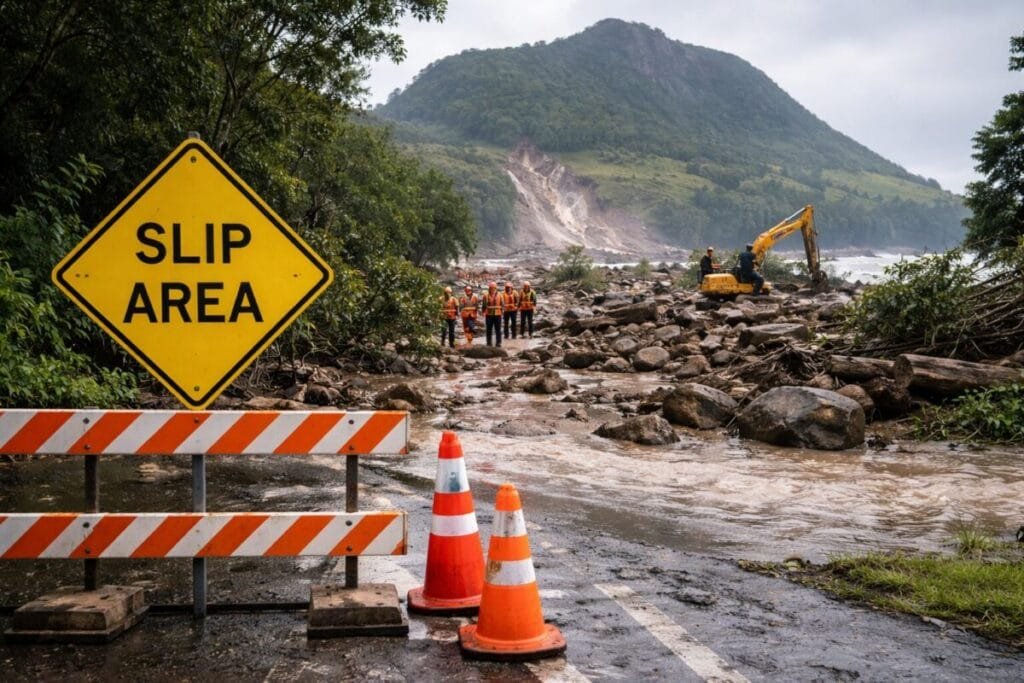
Heavy seasonal rain on the North Island recently triggered destructive landslides near Mount Maunganui in the Bay of Plenty region. The slips tore through suburban areas and campgrounds. Several people died and others remain missing as emergency teams continue operations. Entire slopes collapsed under saturated soil. Families fled homes and holiday parks in the early morning as mud and debris surged downhill.
Local authorities quickly halted access to unstable zones. Roads, hiking trails and beachfront paths were closed. Transport officials warned that saturated terrain could produce secondary slips for days. Tourists reported cancelled excursions and detours as weather patterns continued to shift. The tragedy served as a reminder that New Zealand’s dramatic environment can change quickly.
Government Travel Guidance Tightens for High-Risk Weather Events
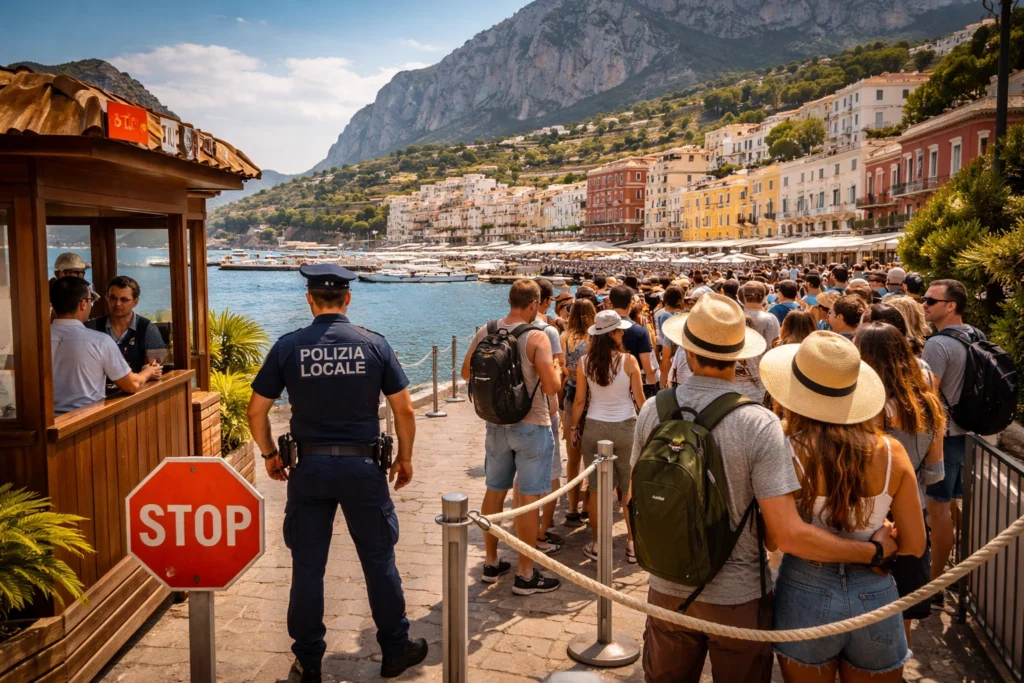
New Zealand maintains a structured travel advisory system for international visitors. It ranges from simple caution to restrictions on non-essential travel and, in extreme cases, no-travel advisories for specific zones. While no national ban has been issued, officials urge visitors to check conditions before booking, driving or hiking. Travellers are also encouraged to follow their own country’s guidance.
Several foreign governments still classify New Zealand as a safe destination, but advise vigilance due to risks from earthquakes, storms, volcanic activity and outdoor hazards. The requirement to complete traveller declarations and border forms remains in place for many arrivals. Officials stress that travellers should confirm documentation needs in advance.
Severe Weather Alerts Increasing Due to Seasonal Rain and Storms
Meteorological agencies have issued multiple severe weather alerts during the current season. Rainfall totals reached historic highs in coastal and mountainous regions. Red warnings, the highest alert level for weather-related danger, were triggered in several districts. These alerts signal threats to life, transportation and property.
Landslides tend to occur after prolonged rainfall. Slopes soften, especially where volcanic soils dominate, and gravity takes over. Flooding is common in low-lying zones, while roads may close with little notice. Travellers in rental cars and campervans must check weather forecasts daily and avoid driving through flooded routes or remote forest roads at night.
Outdoor adventurers also face shifting conditions. Multi-day hikes can become hazardous if rivers rise or bridges wash out. Trail rangers advise hikers to inform accommodation providers or guides of expected return times and to carry basic supplies, including layers, water and emergency beacons on remote trails.
Volcanic and Seismic Realities That Travellers Should Understand
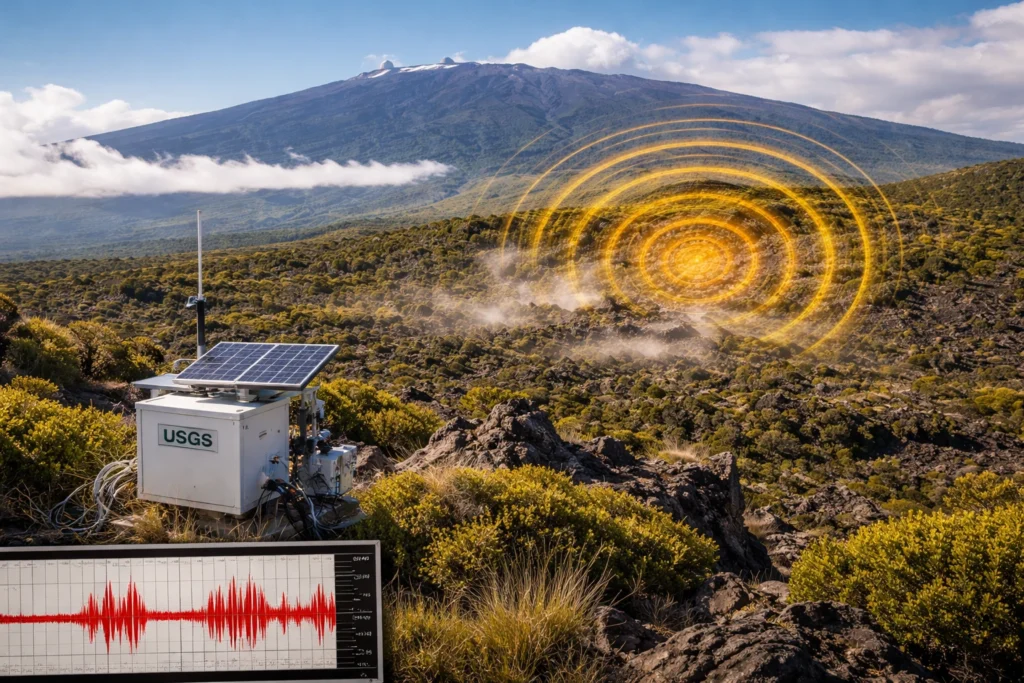
New Zealand sits within the Pacific “Ring of Fire.” Earthquakes and volcanic events shape parts of the landscape. Major incidents remain rare, but travellers should know how to respond. Tourism operators and national parks provide brief safety instructions for seismic events. Signs in geothermal regions advise visitors to stay on designated tracks to avoid unstable craters or steam vents. Tourists often cite these guidelines as helpful rather than alarming.
Health and Security Remain Strong for International Tourism
Despite environmental challenges, New Zealand continues to rank as one of the safest destinations globally for general crime and public health. Violent crime rates remain low. Urban petty theft occurs at levels similar to large Western cities, and tourists are advised to secure valuables, lock vehicles and remain aware in crowded public areas.
Health officials recommend that travellers stay current on routine vaccinations. A measles outbreak in recent years reminded authorities that herd protection matters, especially in tourist hubs. Travel insurance remains strongly recommended. Policies covering medical treatment, adventure sports, flight disruptions and weather delays offer peace of mind.
Tourism Industry Responds with Flexibility and Support
The tourism sector has worked to keep experiences enjoyable despite disruptions. Hotels and tour operators have provided itinerary changes, transport updates and real-time safety information for guests. Local guides say visitors remain enthusiastic, though many now adjust plans more often. Some travellers delayed coastal visits and opted for cultural tours in cities like Wellington and Rotorua. Others shifted South Island road trips to avoid unstable terrain in the North.
For New Zealanders, events like the Mount Maunganui landslide highlight resilience. Community networks, emergency services and volunteer groups responded within hours. Hospitality businesses offered shelter, meals and charging stations to stranded travellers. Locals shared that while such disasters are rare, the national culture of preparedness runs deep.
Travelling Smart in 2026: Practical Tips for Visitors
Travellers planning to visit New Zealand in 2026 should keep three principles in mind:
1. Stay informed.
Check weather forecasts, local alerts and road conditions daily.
2. Stay flexible.
Have backup destinations and dates, especially for outdoor activities.
3. Stay prepared.
Carry suitable clothing, reliable navigation and travel insurance.
The Verdict: Still a Top Destination, With Eyes on the Weather
New Zealand remains a bucket-list destination. Its wildlife, culture and landscapes continue to inspire travellers from around the world. The recent landslides and weather alerts underline that nature shapes this island nation. By following official advice and respecting the environment, visitors can explore with confidence and create unforgettable memories.
For more travel news like this, keep reading Global Travel Wire