Northern Europe entered the new year with a rare deep freeze that disrupted travel and tourism across Finland, Germany, Estonia, Latvia, and Lithuania. Temperatures in parts of Finnish Lapland plunged below minus 37°C on January 11, pushing airport systems to their limits and forcing cancellations at Kittilä Airport. The cold front also sparked nationwide warnings, reminding tourists of the risks of traveling during Arctic winters.
Meteorological authorities across the region forecast sustained cold well into January. In Lapland, conditions could reach nearly minus 40°C. Heavy snow, freezing winds, and white-out conditions led to widespread road closures, delays, and public safety alerts.
Lapland Airport Closures Disrupt Holiday Tourism
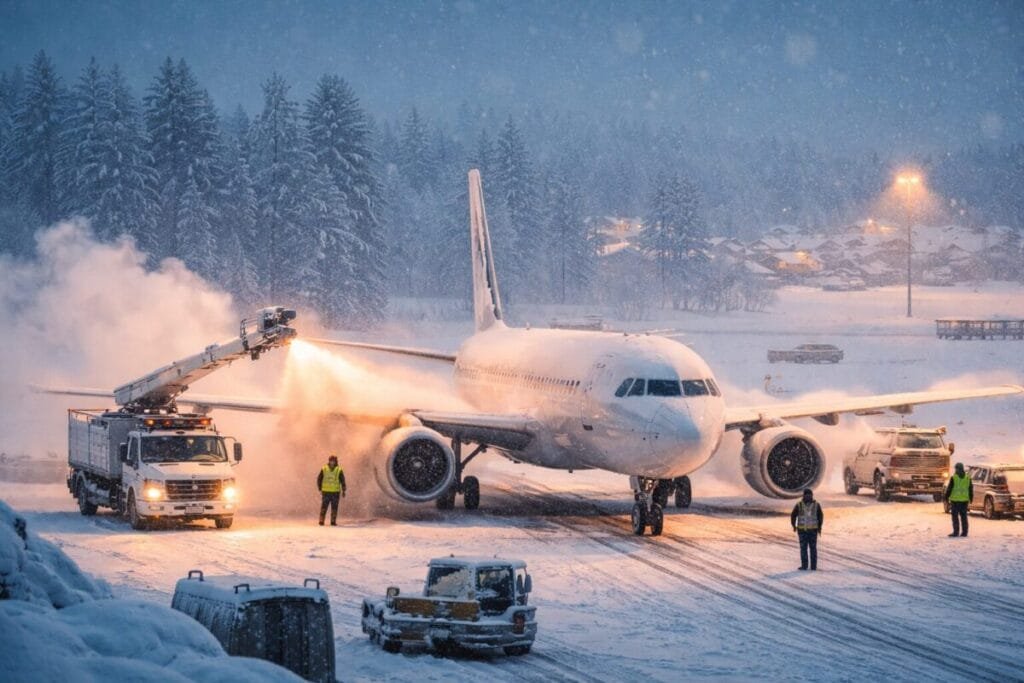
Kittilä Airport serves as a major entry point for winter visitors heading to Lapland’s ski resorts, Santa-themed attractions, and Northern Lights tours. The January cold wave, however, halted operations for hours. Airlines struggled to de-ice aircraft in the extreme temperatures. Thousands of tourists were stranded with limited alternatives.
Some local operators worked to rebook passengers and extend accommodation arrangements. Many travelers shared concerns about missed tours and prepaid winter experiences. Lapland relies heavily on seasonal tourism from families and international visitors, so any prolonged disruption affects hotels, tour companies, and winter resorts.
Harsh Weather Raises Questions for Lapland’s Tourism Future
Lapland markets itself as a winter paradise, and visitors expect snow. However, few anticipate conditions that push infrastructure to its edge. This year’s freeze has sparked debate about winter travel resilience in the Arctic region.
Tourism analysts note that Lapland benefits economically from December to March due to its winter attractions. Yet logistical demands rise as the climate becomes more unpredictable. Deep cold affects everything from sled tour operations to airport safety procedures. Snowmobiles and ski lifts also face stricter safety checks during such temperatures.
Local residents in northern Finland have long lived with harsh winters, but the combination of stronger winds, unpredictable storms, and sudden temperature drops has been more pronounced in recent seasons. Emergency response teams advised visitors to carry proper winter clothing, prepare for delays, and follow official alerts.
Germany Hit by Rail Closures and Road Chaos
The cold wave did not stop at Finland. A wider European weather system delivered heavy snow and ice across northern Germany. Rail operator networks suspended several regional services as frozen tracks and drifting snow made travel unsafe. Commuters experienced long delays and rerouted trains. Some cross-border trips between Germany and neighboring countries were temporarily halted.
On the roads, highways turned treacherous as black ice formed overnight. Several regions issued advisories urging motorists to avoid non-essential travel. Local governments also deployed additional road salting crews to keep emergency routes open and prevent pile-up collisions.
Baltic States Issue Road and Safety Alerts
Estonia, Latvia, and Lithuania faced their own challenges. Snowstorms reduced visibility and shut down several secondary road networks. Snowplow crews worked nonstop to keep main arteries open. Latvia activated regional emergency services in western coastal districts due to dangerously icy surfaces. Authorities asked residents to postpone unnecessary driving until conditions improved.
Public transportation schedules in the Baltics shifted to slower winter timetables. School closures were also reported in colder zones, with some classes switching temporarily to remote instruction. Tourist travel between Baltic capitals slowed as coach and rail operators adjusted schedules for safety.
Impact on European Tourism and Travel Plans
The winter of 2026 demonstrates how extreme cold can rapidly disrupt Europe’s interconnected tourism networks. Delays in one country ripple across others due to shared airspace, rail corridors, and highway systems. Tourists heading to Lapland experienced knock-on delays in Berlin and Helsinki. Baltic holidaymakers also faced cancellations and route diversions.
Travel experts advise winter tourists to include flexible booking options during Arctic season. Trip insurance demand has increased in recent years as travelers account for weather-related uncertainty. Winter tour operators report that guests now request more backup plans for excursions such as husky safaris, skiing, and aurora chasing.
Authorities Prepare for More Extreme Winters
Climate specialists have noted that northern weather patterns are changing, bringing more volatility. While some winters deliver milder temperatures, others bring sudden drops and severe storms. Governments across northern Europe are investing in winter resilience programs, including airport upgrades, new snow removal equipment, and digital alert systems for tourists.
Tourism boards in Finland and the Baltics emphasize safety messaging. Visitors are encouraged to monitor weather bulletins, dress with thermal layers, and avoid isolated travel during storms. Hotels and tour companies now offer briefing materials for guests unfamiliar with Arctic climates.
A Challenging but Magical Winter Season
Despite travel disruptions, winter remains an iconic draw for northern Europe. Lapland still hosts thousands each season for skiing, reindeer excursions, and Northern Lights viewing. Germany’s alpine towns host winter markets, while the Baltics attract visitors with historical old towns blanketed in snow.
The current cold wave has tested resilience, but winter tourism continues to adapt. Travelers planning trips in January and February are advised to stay informed, stay flexible, and prepare for everything the Arctic weather may offer.
For more travel news like this, keep reading Global Travel Wire