Norwegian Group has entered 2026 with strong momentum following its best financial results to date. The airline group achieved a record operating profit in 2025, demonstrating resilience despite ongoing industry challenges. The company credited improved efficiency, strong passenger demand, and strategic investments for its success.
The group includes Norwegian Airlines and regional carrier Widerøe. Both airlines contributed to growth through expanded routes, operational improvements, and consistent customer demand. Industry analysts now view Norwegian as a key driver of Nordic tourism and European leisure travel.
Strong financial performance has encouraged the company’s board to propose a dividend for shareholders. This decision reflects confidence in continued growth and financial stability.
Passenger Growth Reinforces Nordic Travel Demand
Norwegian Group carried more than six million passengers during the final quarter of 2025. Norwegian Airlines transported over five million travelers, while Widerøe served one million passengers on regional routes.
Both airlines achieved year-over-year growth, which signals rising demand for travel within Scandinavia and across Europe. Leisure travel continued to recover strongly, with many travelers choosing Nordic destinations for outdoor experiences and cultural tourism.
The company adjusted capacity to match seasonal trends. Norwegian reduced capacity slightly to maintain efficiency during slower travel periods. Widerøe expanded regional capacity to support connectivity between smaller communities and major cities.
Load factors improved as a result of strategic scheduling. Norwegian achieved an average load factor of 86 percent, while Widerøe maintained stable performance across regional routes.
Operational Improvements Strengthen Customer Experience
Operational efficiency played a major role in the group’s record results. Norwegian improved punctuality significantly, reflecting better planning and stronger operational control. Reliable schedules remain essential for attracting both leisure and business travelers.
Flight completion rates also reached high levels, which helped maintain customer confidence. Travelers increasingly prioritize reliability when selecting airlines, especially during peak tourism seasons.
CEO Geir Karlsen highlighted customer demand and improved performance as key drivers behind growth. The airline focused on reducing delays and enhancing overall service consistency. These improvements positioned Norwegian as a competitive option within the European low-cost market.
Fleet Expansion and New Routes Drive Future Growth
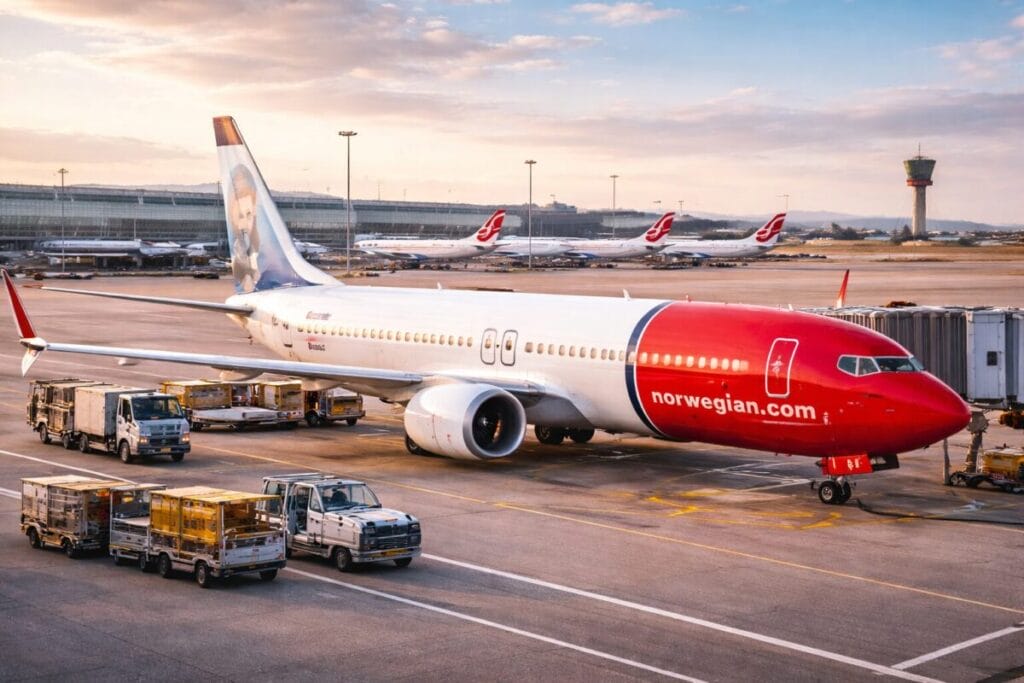
Norwegian continued to modernize its fleet with new Boeing 737 MAX aircraft. These aircraft offer improved fuel efficiency, reduced emissions, and lower operating costs. Fleet renewal supports both sustainability goals and long-term profitability.
The airline also launched new routes from Denmark, connecting travelers to popular European destinations. Expanded route networks help increase tourism flows while strengthening the airline’s market presence.
Looking ahead to summer 2026, Norwegian expects to operate a larger fleet and increase overall capacity. Widerøe plans additional growth to support regional connectivity across Norway’s unique geography.
These developments will likely boost travel options for tourists exploring Nordic landscapes, including fjords, coastal towns, and Arctic destinations.
Sustainability Initiatives Support Future Aviation Trends
Sustainability remains a central focus for Norwegian Group’s growth strategy. The airline secured a domestic route contract in Denmark that requires significant use of sustainable aviation fuel. This initiative reflects broader European efforts to reduce aviation emissions.
Governments across Europe encourage airlines to adopt cleaner technologies and alternative fuels. Norwegian’s early adoption positions the airline as a leader in environmentally responsible travel.
Sustainable aviation fuel reduces carbon emissions compared to traditional jet fuel. Airlines adopting such practices attract environmentally conscious travelers and strengthen long-term regulatory compliance.
Nordic Tourism Benefits from Expanding Airline Networks
The Nordic region continues to attract global travelers seeking natural landscapes, outdoor adventures, and cultural experiences. Norwegian Airlines plays a key role in supporting tourism growth by offering affordable connections between major European cities and Nordic destinations.
Increased capacity and expanded routes allow more travelers to visit Norway, Denmark, and neighboring countries. Strong air connectivity helps local economies by supporting hotels, restaurants, and tourism operators.
Joint initiatives between Norwegian and Widerøe, including integrated loyalty programs and coordinated schedules, enhance passenger convenience. Travelers benefit from seamless connections between international flights and regional destinations.
Cost Efficiency Strategy Strengthens Competitive Position
Norwegian implemented cost-efficiency initiatives designed to reduce operational expenses without compromising service quality. Program X, the company’s internal efficiency strategy, helped offset industry challenges such as rising fuel prices and operational costs.
Maintaining cost discipline allows the airline to offer competitive fares while preserving profitability. Low-cost carriers must balance affordability with operational reliability to maintain market share.
These efficiency measures also support long-term expansion plans, ensuring the airline remains financially resilient in a competitive environment.
Outlook for 2026 Signals Continued Expansion
Industry experts expect continued growth for Norwegian Group as travel demand across Europe increases. Nordic destinations remain popular among international travelers, and airlines that expand strategically will benefit from this trend.
Norwegian plans moderate capacity growth while maintaining focus on operational efficiency. Widerøe will continue strengthening regional connectivity, which supports both tourism and domestic travel needs.
Fleet modernization, sustainability initiatives, and improved service reliability position the group for continued success. Travelers can expect more route options and improved connectivity as the airline expands.
Norwegian Group’s Role in the Future of European Travel
Norwegian Airlines has transformed its strategy to focus on efficiency, sustainability, and targeted expansion. Record financial results demonstrate the effectiveness of this approach.
As tourism demand rises across Europe, airlines that combine affordability with reliable operations will attract growing passenger numbers. Norwegian’s continued investment in modern aircraft and expanded networks supports this goal.
The company’s growth trajectory suggests a strong future for Nordic aviation. Travelers seeking competitive fares, expanded routes, and sustainable travel options will likely see Norwegian as a leading choice in 2026 and beyond.
For more travel news like this, keep reading Global Travel Wire