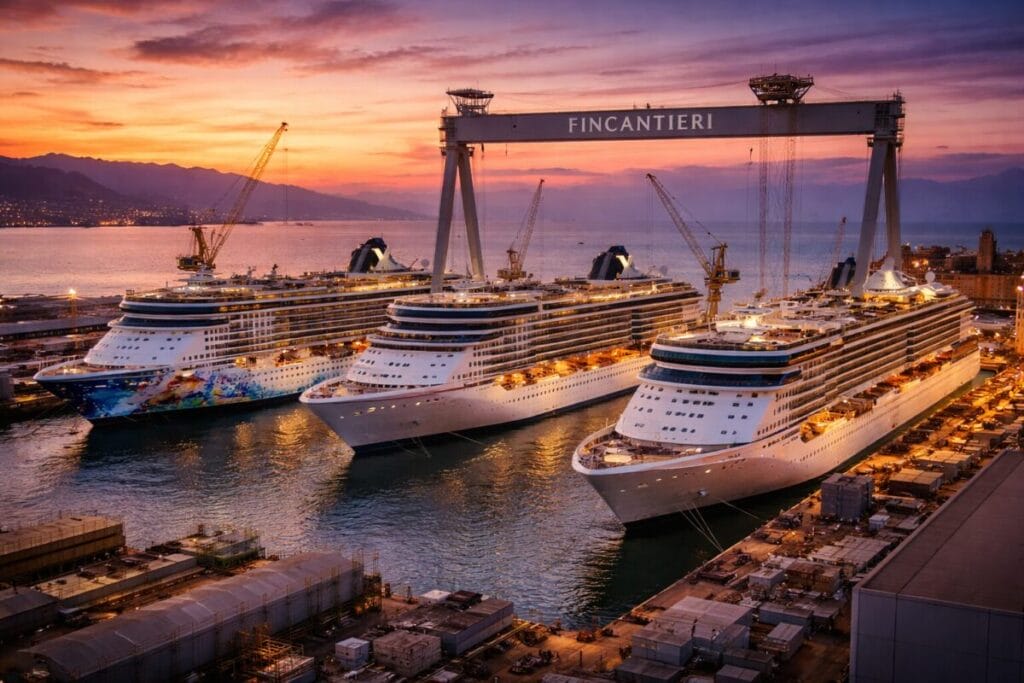
Norwegian Cruise Line Holdings has announced a major fleet expansion through a new agreement with Italian shipbuilder Fincantieri. The deal includes three new cruise ships, with one vessel planned for each of the company’s major brands. These brands include Norwegian Cruise Line, Oceania Cruises, and Regent Seven Seas Cruises.
The agreement reflects growing demand for cruise travel and reinforces strong maritime cooperation between Italy and the United States. Deliveries scheduled for 2036 and 2037 show long-term confidence in the cruise industry’s growth.
Industry analysts see this expansion as part of a broader strategy to address evolving traveler expectations. Cruise companies now invest heavily in innovation, sustainability, and personalized experiences.
Strategic Partnership With Italian Shipbuilder Fincantieri
The collaboration between Norwegian Cruise Line Holdings and Fincantieri spans decades. Italian shipyards continue to play a major role in shaping modern cruise ships through advanced engineering and design expertise.
Shipyard capacity has become increasingly competitive due to rising global demand for new vessels. By securing construction slots years in advance, the cruise company strengthens its production pipeline and reduces operational risks.
Long-term planning also allows shipbuilders to integrate new technologies, including advanced propulsion systems and environmentally focused innovations. These developments align with international maritime goals for reducing emissions and improving sustainability.
The agreement highlights Italy’s continued leadership in luxury shipbuilding while supporting economic ties between European manufacturing and American tourism companies.
Norwegian Cruise Line Prepares Largest Ship Class in Brand History
One of the most anticipated projects involves the expansion of Norwegian Cruise Line’s upcoming new ship class. This class will become the largest ever built for the brand, marking a significant milestone in contemporary cruise design.
Each vessel is expected to measure approximately 225,000 gross tons and accommodate more than 5,000 guests at double occupancy. The scale positions the ships among the world’s largest cruise vessels.
Large-scale ships continue to attract travelers who seek diverse entertainment, dining, and recreational options in one location. Cruise operators design these vessels to serve multi-generational travelers and first-time cruisers alike.
Future onboard features may include immersive entertainment venues, expansive outdoor spaces, and technology-driven guest services. Designers aim to create flexible environments that adapt to changing travel trends.
Oceania Cruises Expands Premium Segment With New Sonata-Class Vessel
The expansion strategy also targets the premium cruise market through Oceania Cruises. A new Sonata-class ship will join the fleet as part of the long-term development plan.
Oceania Cruises focuses on culinary excellence, destination-focused itineraries, and smaller ship experiences compared to megaships. These vessels typically attract travelers who prioritize immersive travel and refined onboard environments.
The upcoming ship will build on the foundation established by earlier Sonata-class vessels. Industry observers expect enhancements in dining experiences, suite accommodations, and cultural programming.
Premium cruise demand continues to grow as travelers seek deeper connections with destinations. Smaller ship designs allow access to ports that larger vessels cannot reach, offering more diverse itineraries.
Regent Seven Seas Cruises Strengthens Ultra-Luxury Fleet
The ultra-luxury segment will also benefit from a new ship planned for Regent Seven Seas Cruises. This vessel will expand the Prestige-class lineup, which emphasizes spacious suites and all-inclusive travel experiences.
Ultra-luxury cruising attracts travelers seeking personalized service, fine dining, and curated excursions. High crew-to-guest ratios enhance service quality and create exclusive onboard atmospheres.
Regent Seven Seas Cruises continues to focus on destination-rich itineraries that include cultural exploration and immersive shore experiences. The addition of a new vessel strengthens the brand’s position in a competitive luxury market.
Luxury cruise demand has increased steadily as affluent travelers seek high-quality experiences that combine comfort with global exploration.
Seventeen New Ships Reflect Balanced Growth Strategy
With the latest agreement, Norwegian Cruise Line Holdings now has 17 ships on order across its brands. The phased delivery schedule ensures gradual expansion rather than rapid fleet growth.
Balanced planning helps maintain market stability while supporting operational efficiency. Cruise companies must align ship deliveries with market demand to avoid overcapacity.
The diversified approach allows each brand to target specific traveler segments. Norwegian Cruise Line focuses on contemporary large-ship cruising, Oceania Cruises emphasizes premium experiences, and Regent Seven Seas Cruises leads the ultra-luxury category.
This structure strengthens the company’s overall portfolio while maintaining clear brand identities.
Securing Shipyard Capacity Shapes Future Cruise Development
Global shipbuilding logistics have become more complex due to increased demand and limited production space. Early agreements help cruise companies secure strategic advantages.
Long-term shipyard partnerships allow designers and engineers to collaborate closely during development phases. This collaboration leads to more innovative vessel designs and improved operational efficiency.
Italy’s shipbuilding industry benefits from continued investment, supporting jobs and technological advancement. At the same time, American cruise companies gain access to world-class construction expertise.
The partnership demonstrates how international collaboration drives innovation within the global maritime sector.
Future Outlook for Cruise Tourism and Innovation
The cruise industry continues to evolve as travelers seek new experiences and sustainable travel options. New ships often feature energy-efficient systems, advanced waste management, and digital technologies that enhance passenger experiences.
Fleet expansion signals strong confidence in long-term cruise demand. Destinations across Europe, North America, and Asia remain popular among travelers who value multi-destination itineraries.
Norwegian Cruise Line Holdings’ investment strategy shows a commitment to innovation across all market segments. By developing ships for contemporary, premium, and ultra-luxury brands simultaneously, the company positions itself for continued growth.
As delivery dates approach in the late 2030s, further design details will likely reveal how new technologies reshape the future of cruise travel. The partnership between Italy and the United States continues to play a central role in shaping the next generation of maritime tourism.
For more travel news like this, keep reading Global Travel Wire