Africa’s tourism industry is entering a new era as digital connectivity reshapes how the continent is explored, experienced, and promoted. Once viewed as a region catching up to global digital standards, Africa is now emerging as a testing ground for next-generation networks that directly support tourism growth, smart destinations, and inclusive travel economies. At the center of this shift are the 2025 network breakthroughs delivered by Ericsson, which are redefining how millions of travelers, businesses, and communities connect.
As global tourism becomes increasingly digital-first, reliable and fast connectivity is no longer optional. From online bookings and mobile payments to virtual experiences and real-time navigation, Africa’s expanding digital infrastructure is unlocking new tourism potential across urban hubs and remote destinations alike.
5G as a Catalyst for Smart Tourism
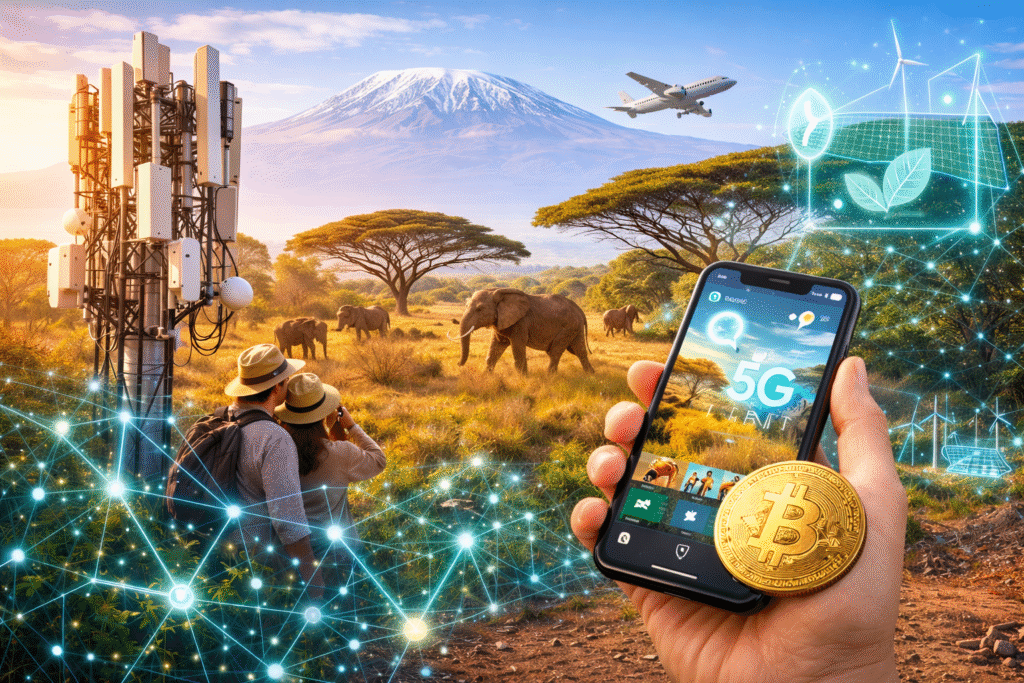
One of the most impactful developments of 2025 has been the accelerated rollout of 5G technology across key African markets. While 4G remains vital, 5G is transforming tourism services by enabling ultra-fast, low-latency connectivity in major cities and emerging travel corridors. Smart hotels, connected airports, and digital visitor services now operate with greater efficiency, enhancing the overall travel experience.
Ericsson’s software-driven approach to spectrum efficiency has allowed operators to deploy advanced networks without extensive physical expansion. This has enabled tourism boards, hospitality groups, and event organizers to introduce digital concierge services, AI-powered customer support, and immersive destination marketing tools that rival the world’s most advanced travel markets.
Bridging the Urban-Rural Tourism Divide
Tourism in Africa extends far beyond major cities, with wildlife reserves, heritage villages, desert landscapes, and island destinations forming the backbone of the continent’s appeal. One of the most significant achievements of recent network advances has been the expansion of reliable connectivity into rural and hard-to-reach areas through Fixed Wireless Access solutions.
For tourism, this means eco-lodges, safari camps, and community-based operators can now connect to global booking platforms, process digital payments, and communicate with travelers in real time. Visitors benefit from safer journeys, access to emergency services, and seamless digital navigation, while local communities gain new economic opportunities through online exposure.
Sustainability Powering Digital Travel
Africa’s tourism future depends on balancing growth with sustainability, and digital infrastructure plays a crucial role in that equation. Many tourism destinations are located in regions with limited access to stable electricity, making traditional network deployment challenging. Ericsson’s green network solutions introduced in 2025 have addressed this issue by integrating solar-powered base stations and energy-efficient storage systems.
These low-energy network sites support digital tourism services while minimizing environmental impact. From national parks to coastal resorts, reliable connectivity powered by renewable energy ensures that tourism growth aligns with conservation goals and climate commitments.
Empowering a Young, Digital-Native Workforce
Africa’s youthful population is driving innovation across tourism and hospitality. With improved connectivity, young entrepreneurs are launching travel apps, digital tour platforms, and local experience marketplaces that cater to both international visitors and domestic travelers. Coding bootcamps, digital skills programs, and tourism tech startups are thriving thanks to stable networks that support cloud services and global collaboration.
For travelers, this translates into more authentic, locally driven experiences supported by technology. From mobile-based cultural tours to AI-assisted travel planning, Africa’s tourism offering is becoming more diverse, personalized, and competitive on the global stage.
Enhancing Safety, Accessibility, and Visitor Confidence
Reliable connectivity is also improving safety and accessibility for tourists. High-speed networks support smart transport systems, real-time weather updates, and emergency response coordination, particularly in remote travel regions. Digital identity systems, secure mobile payments, and connected border services enhance visitor confidence and streamline travel processes.
As destinations adopt smart tourism frameworks, travelers benefit from smoother arrivals, faster check-ins, and connected experiences that reduce friction throughout their journeys.
Africa’s Growing Role in Global Digital Tourism
Africa’s inclusion in early research for next-generation network technologies reflects the continent’s increasing influence on global digital development. Its unique challenges—vast distances, energy efficiency needs, and diverse terrains—are shaping how future connectivity solutions are designed worldwide.
For tourism, this means Africa is not just consuming digital innovation but actively shaping it. The continent’s tech hubs are exporting ideas, platforms, and solutions that influence how travel is marketed and managed globally.
Looking Ahead: Meaningful Connectivity for Tourism Growth
As Africa moves beyond basic network coverage, the focus for 2026 and beyond is meaningful connectivity—affordable, reliable, and secure digital access that supports long-term tourism development. Investments in smart infrastructure, green networks, and digital skills are laying the foundation for a tourism industry that is resilient, inclusive, and globally connected.
Ericsson’s 2025 breakthroughs represent more than technological progress; they signal a partnership that supports Africa’s vision of becoming a leading destination in the digital tourism era. With connectivity as its backbone, Africa’s tourism renaissance is not just underway—it is accelerating.
For more travel news like this, keep reading Global Travel Wire