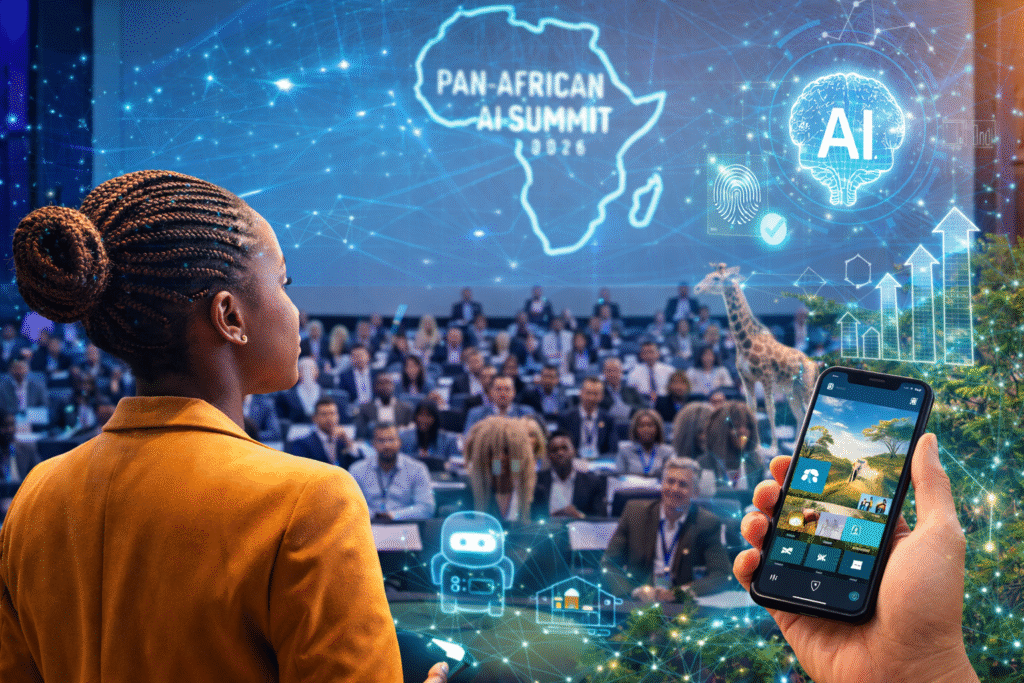
Africa’s tourism industry is undergoing a profound transformation as artificial intelligence becomes a driving force behind how destinations are planned, marketed, and experienced. Long celebrated for its landscapes, wildlife, and cultural depth, the continent is now stepping confidently into a new era of smart tourism—where digital intelligence enhances authenticity rather than replacing it. This shift will take center stage at the Pan-African AI & Innovation Summit 2026, scheduled for September 22 and 23 in Accra, Ghana, where tourism and hospitality have been positioned as core pillars of Africa’s growing experience economy.
The summit reflects a broader continental ambition: to harness AI not only as a technological tool, but as a strategic asset that unlocks economic growth, strengthens regional integration, and empowers local communities. With tourism already one of Africa’s most competitive global sectors, AI is emerging as the catalyst that elevates the industry from volume-based travel to high-value, experience-led journeys.
The Rise of the Intelligent Itinerary
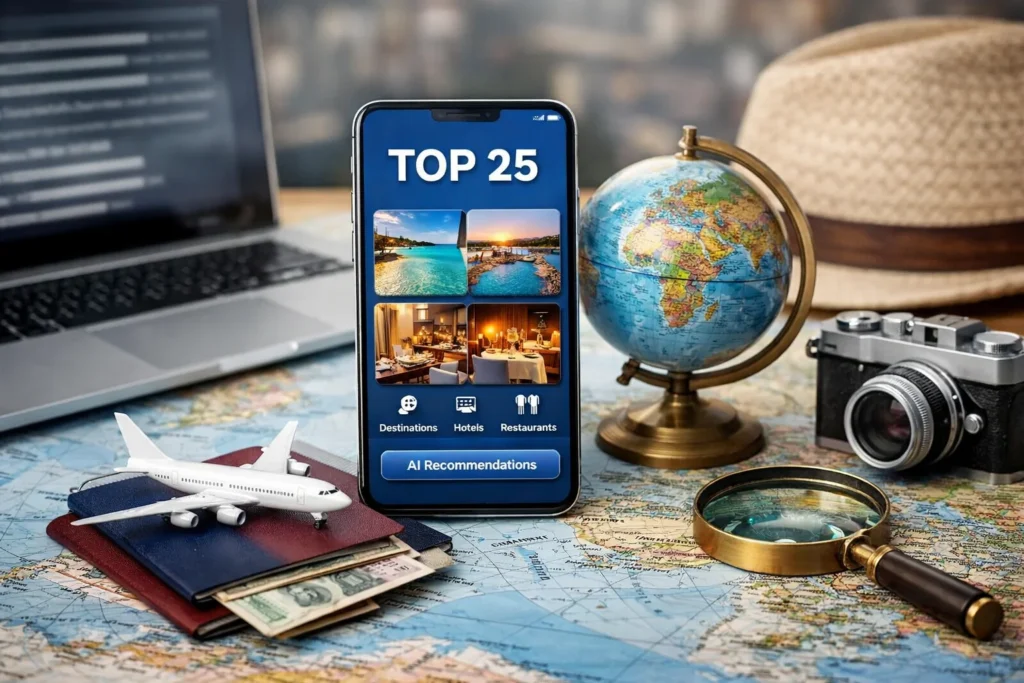
Travel behavior has shifted dramatically in recent years. Personalization, efficiency, and authenticity now define the expectations of global travelers. AI-driven travel planning is responding to this demand by creating what industry leaders describe as “intelligent itineraries.” These systems analyze traveler interests, budgets, travel history, and real-time data to curate journeys that are uniquely tailored to individual passions.
Rather than generic sightseeing packages, AI enables deeply personalized experiences—ranging from cultural immersion and music tourism to conservation-focused adventures and luxury urban escapes. Importantly, African-developed AI systems are being designed to understand local geography, infrastructure, and cultural nuance, ensuring recommendations are accurate, practical, and respectful of local contexts.
Smart Destinations and Seamless Mobility
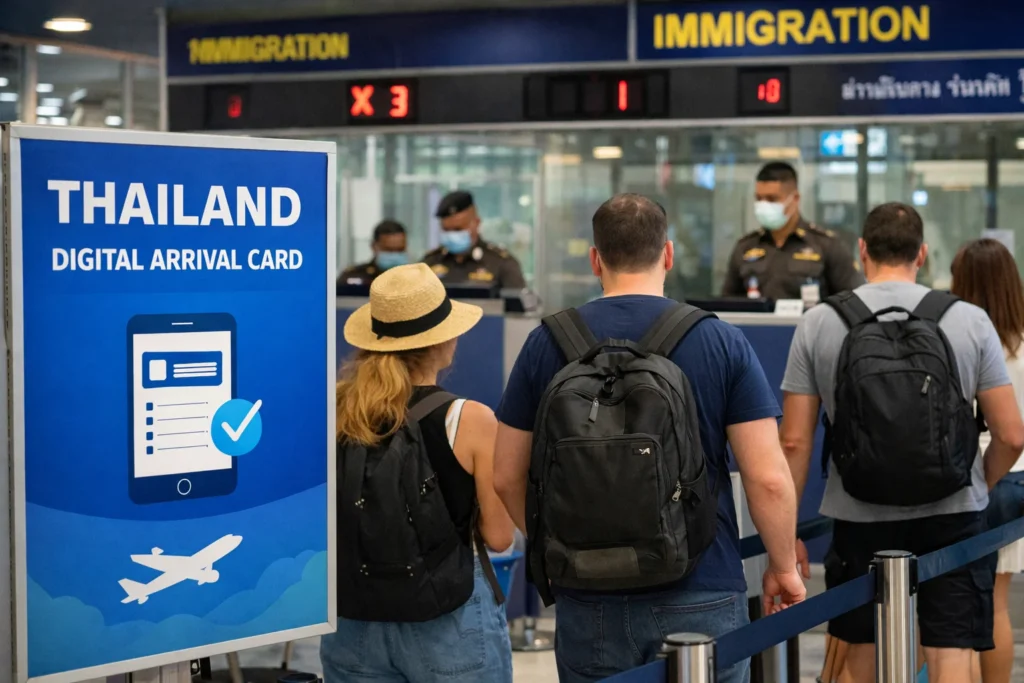
One of the longstanding challenges for African tourism has been the complexity of cross-border travel. The Smart Destination agenda highlighted at the summit addresses this issue through AI-enabled solutions for mobility and access. Intelligent border management, biometric verification, and automated visa processing are redefining how visitors move across the continent.
These systems support the broader vision of regional integration by simplifying travel between African destinations. For tourists, this means fewer administrative barriers and smoother journeys. For governments and tourism authorities, it means improved security, better data insights, and more efficient resource management.
Empowering Small Tourism Businesses
While large hotel groups and global booking platforms often dominate digital tourism, the Pan-African AI Summit places strong emphasis on empowering small and medium-sized tourism enterprises. Local lodges, tour operators, guides, and artisans form the backbone of Africa’s tourism identity, and AI is increasingly being positioned as a leveling tool.
Through digital training programs and practical AI applications, small businesses are adopting tools such as automated booking systems, multilingual digital concierges, and smart pricing models. These technologies allow community-based operators in remote destinations to reach international markets, respond to guest inquiries instantly, and deliver personalized service without losing their local character.
AI as a Guardian of Conservation
Africa’s natural heritage remains one of its strongest tourism assets, and AI is playing a growing role in its protection. Smart conservation technologies are now being used to monitor wildlife movements, detect illegal activities, and predict environmental risks. By analyzing large volumes of data from sensors, drones, and satellite imagery, AI systems can alert authorities to threats in real time.
This integration of technology and conservation ensures that tourism growth does not come at the expense of ecosystems. Instead, AI supports sustainable tourism models that protect biodiversity while maintaining visitor access and experience quality.
Reframing Africa’s Global Image
Destination marketing is also evolving rapidly. Younger travelers increasingly rely on digital platforms, immersive media, and peer-generated content when choosing where to travel. AI-powered storytelling tools are helping African destinations present more diverse, contemporary narratives that go beyond outdated stereotypes.
From vibrant cities and creative industries to innovation hubs and culinary scenes, Africa’s tourism image is becoming more dynamic and multidimensional. Smart marketing strategies supported by AI analytics allow tourism boards to target the right audiences, adapt campaigns in real time, and measure impact with greater precision.
Data-Driven Collaboration Across the Sector
A key outcome of the summit is the push for deeper collaboration between tourism boards, airlines, hospitality providers, and technology partners. Predictive analytics powered by shared data can forecast travel demand, optimize flight capacity, and align marketing strategies across regions.
This coordinated approach transforms tourism planning from reactive decision-making to proactive strategy, improving profitability while enhancing visitor satisfaction.
Keeping Humanity at the Center
Despite the focus on advanced technology, the core message of Africa’s smart tourism revolution remains human-centered. Ethical AI, data privacy, cultural preservation, and inclusive growth are central themes. The goal is not to automate hospitality, but to amplify it—using technology to extend Africa’s warmth, creativity, and storytelling to a global audience.
As Africa positions itself as a smart destination continent, AI is becoming the bridge between tradition and innovation. The Pan-African AI Summit 2026 marks a defining moment where tourism, technology, and community converge—signaling that Africa’s future in global travel will be intelligent, inclusive, and unmistakably authentic.
For more travel news like this, keep reading Global Travel Wire