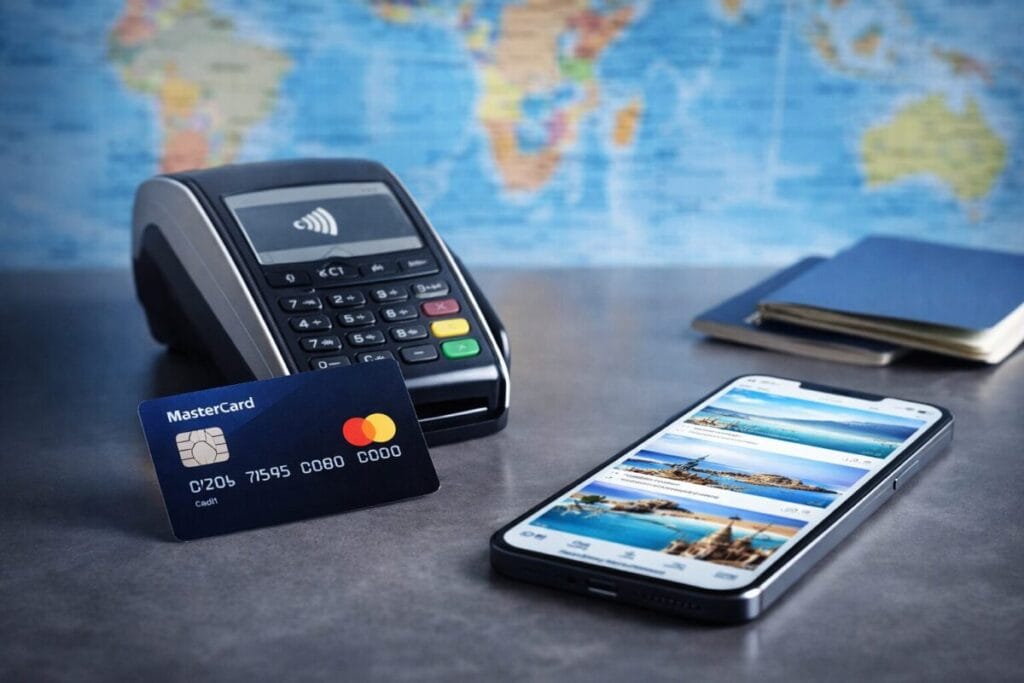
The global travel and banking sectors are converging in new ways as loyalty evolves from traditional points-based perks into digitally interconnected, experience-led ecosystems. A defining example of this shift is the strategic collaboration between Agoda and Mastercard, which introduces a next-generation loyalty redemption platform that allows banks to convert points into real-time travel bookings. By linking Agoda’s extensive global travel inventory with the Mastercard Global Redemption Suite, the platform positions travel rewards not as delayed incentives but as immediate, functional currency for consumers.
For decades, banks built loyalty programmes around catalogues, gift cards, cashback, and merchandise. While effective in earlier eras, these models have struggled to retain engagement in a digital marketplace where consumers expect faster gratification and greater personalization. Modern cardholders want rewards that are actionable, emotionally resonant, and seamlessly redeemable across lifestyle categories. Travel has emerged as a top-performing reward segment due to its experiential appeal and its ability to create narratives of value—something merchandise and cashback rarely achieve.
The Agoda–Mastercard initiative addresses long-standing frictions within loyalty ecosystems. Millions of points globally remain unredeemed due to limited catalogues, complex processes, or poor perceived value. By allowing banks to integrate travel redemption directly into cardholder interfaces, the platform reduces friction and gives loyalty points real-world utility. Consumers can redeem points for flights, hotels, and related travel services in real time, with the same ease as cash transactions. This transformation turns loyalty programmes from passive earn-and-wait systems into dynamic travel marketplaces.
Financial institutions benefit strategically from this model. Banks gain access to a high-demand reward category without the burden of sourcing travel inventory themselves. They also retain full control over brand identity and customer experience through customizable interfaces. The design is modular, enabling banks to tailor redemption options by segment—frequent travellers, occasional vacationers, and cost-conscious consumers all receive relevant pathways for point usage. This level of customization strengthens programme competitiveness and increases cardholder stickiness.
From a commercial standpoint, the platform encourages higher spending volumes and long-term engagement. The more relevant and immediate the reward, the more likely customers are to consolidate spending within a single card ecosystem. Experience-led rewards also create positive emotional associations that reinforce loyalty and reduce churn. As global competition intensifies in both fintech and travel, differentiation is becoming critical. Banks that offer high-value lifestyle rewards gain a strategic edge over those relying on legacy loyalty structures.
The initiative also reflects broader loyalty trends driven by technology. Real-time connectivity between travel platforms and payment networks enables dynamic pricing, instant redemption, and immediate confirmation—capabilities that were not widely possible under legacy loyalty systems. As digital-first banking and mobile-native payment behaviours expand, consumers increasingly expect seamless, end-to-end redemption processes that mirror the simplicity of standard e-commerce.
Data analytics amplify the value of the platform. By analysing redemption behaviour, seasonal travel patterns, and destination preferences, banks can fine-tune offers, optimise programme structures, and deliver predictive personalisation. Instead of generic loyalty campaigns, institutions can present travel incentives aligned with individual habits: weekend getaways for millennials, premium international routes for business travellers, or family-oriented resorts for suburban households. This level of intelligence elevates loyalty from a marketing accessory to a revenue-driving ecosystem.
The collaboration between Mastercard and Agoda also underscores the importance of cross-industry partnerships in the digital loyalty era. Banks alone cannot satisfy evolving consumer expectations for lifestyle rewards; travel operators benefit from new channels for demand generation; payment networks facilitate the transactional infrastructure. The future of loyalty increasingly relies on these interoperable ecosystems that connect earning, redemption, and lifestyle consumption into one continuous loop.
The travel industry also stands to gain from this integration. Presenting flight and hotel inventory directly to engaged cardholders increases booking conversion and reduces customer acquisition costs. It also creates new demand sources for off-peak travel, short-stay trips, and spontaneous bookings—segments that have grown as work and leisure increasingly blend. As consumers use loyalty points to subsidize travel costs, destinations and hospitality providers benefit from higher accessibility and broader market participation.
The timing of the platform launch aligns with shifting post-pandemic travel behaviours. Global tourism has experienced a strong recovery, driven by pent-up demand and the prioritization of experiences over possessions. Meanwhile, digital banking adoption has accelerated, with cardholders seeking rewards that offer lifestyle relevance and tangible financial benefit. Loyalty programmes that fail to modernize face declining engagement as consumer expectations continue to rise.
Looking ahead, industry analysts expect loyalty to become more integrated, real-time, and personalized. Travel will remain a powerful driver of redemption behaviour because it offers both practical utility and emotional value. Platforms that convert points into travel in a frictionless manner are likely to become standard infrastructure within competitive banking ecosystems.
The Agoda–Mastercard collaboration represents a blueprint for the future of loyalty—flexible, digital, experience-led, and ecosystem-driven. By transforming points into immediate travel currency, the platform enhances customer satisfaction, strengthens institutional competitiveness, and bridges the worlds of payments and global tourism. As loyalty evolves, solutions that align financial incentives with lifestyle aspirations are expected to define the next chapter of customer engagement across the banking and travel sectors.
For more travel news like this, keep reading Global Travel Wire