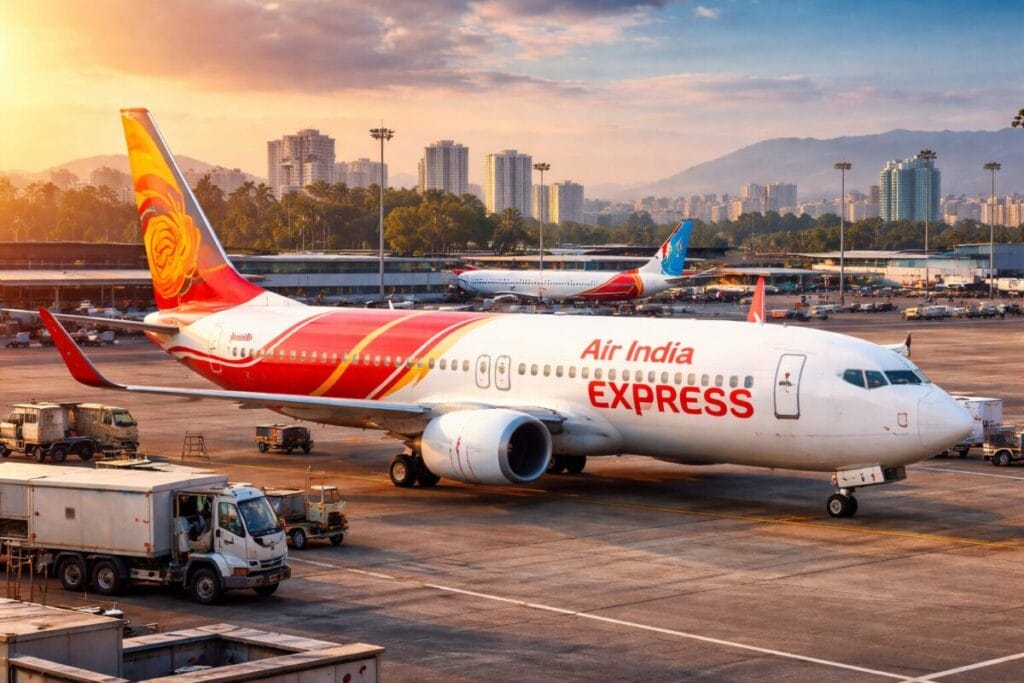
Air India Express is preparing for a significant milestone. The low-cost airline expects to report its first operating profit since joining the Tata Group in 2022. This development marks a strong shift for the carrier and signals growing stability within India’s aviation sector.
The airline has focused on improving efficiency, restructuring operations, and expanding strategic routes. These steps have helped strengthen financial performance while creating new opportunities for travelers. Tourism stakeholders now expect the airline’s growth to support both domestic and international travel demand.
The progress also reflects broader changes across the Air India Group. The Tata-led transformation aims to modernize operations, improve passenger experience, and strengthen India’s global aviation presence.
Expanded Routes Create New Tourism Opportunities
Air India Express continues to expand its network across key travel corridors. The airline has increased flights on popular domestic routes and short-haul international sectors. Destinations in the Middle East and Southeast Asia remain a central focus.
Cities such as Dubai, Doha, and Singapore are expected to see increased connectivity. These routes attract both leisure travelers and business passengers. Greater frequency and competitive fares make travel more accessible to a wider audience.
Improved connectivity encourages tourism growth. Travelers can explore India’s diverse destinations more easily. Popular regions like Kerala and Goa benefit from better air links, while emerging cities gain new exposure to international visitors.
Enhanced access also supports regional tourism development. Smaller airports and secondary cities gain increased visibility as airline capacity grows.
Operational Efficiency Drives Affordable Travel
A key factor behind the airline’s turnaround is operational efficiency. Air India Express has emphasized cost control and better aircraft utilization. The carrier focuses on maximizing flight schedules while reducing unnecessary expenses.
Higher aircraft usage helps lower operational costs per seat. This approach allows the airline to maintain competitive ticket pricing. Budget-friendly fares attract travelers who prioritize value and flexibility.
Short-haul international routes remain a core strategy. These routes often deliver steady demand from migrant workers, business travelers, and tourists. By targeting high-demand sectors, the airline strengthens profitability while supporting tourism growth.
Travel demand has increased steadily since the recovery of global aviation. Many travelers now compare prices carefully before booking flights. Affordable options from low-cost carriers play a critical role in enabling travel decisions.
Fleet Expansion to Boost Connectivity
Air India Express currently operates a growing fleet of narrowbody aircraft. Plans are underway to significantly increase fleet size over the next four to five years. The airline aims to operate more than 200 aircraft in the future.
Fleet expansion will increase seat capacity and route flexibility. New aircraft allow the airline to introduce additional frequencies and launch new routes. Travelers will gain more choices in departure times and destinations.
Expanded fleet capacity also supports regional connectivity within India. Tier-2 and Tier-3 cities often face limited flight options. Increased airline presence can help connect these regions to major hubs and international gateways.
Better regional access encourages tourism beyond traditional hotspots. Cultural destinations, heritage towns, and eco-tourism locations may attract more visitors as travel becomes easier.
Growing Demand for International Travel
India’s rising middle class continues to fuel international travel demand. Many travelers seek affordable experiences abroad, especially in Southeast Asia and the Middle East. Budget airlines help meet this growing demand by offering cost-effective flights.
Air India Express aims to capture this market by providing frequent and reliable services. Increased flight options enable more Indians to explore global destinations. At the same time, international tourists gain easier access to India’s major cities.
Inbound tourism stands to benefit from improved connectivity. Travelers from Thailand, Malaysia, Indonesia, and other regional markets can reach Indian destinations more easily. Cities such as Chennai, Bengaluru, and Mumbai serve as key entry points.
This two-way travel flow strengthens tourism ecosystems and supports local economies.
Supporting India’s Tourism Growth Strategy
India’s tourism industry continues to expand rapidly. Improved air connectivity remains essential for sustaining this growth. Airlines play a crucial role in linking destinations, encouraging travel, and supporting hospitality sectors.
Air India Express contributes by offering affordable travel solutions. Lower fares help expand the traveler base beyond premium segments. Families, students, and first-time international travelers can access more destinations.
Key tourist regions may see increased visitor numbers. Kerala’s backwaters, Goa’s beaches, and cultural cities across India benefit from improved accessibility. Enhanced connectivity encourages longer stays and multi-city travel itineraries.
Government initiatives promoting tourism infrastructure and regional air connectivity further support this trend. Together, these developments strengthen India’s position as a global tourism destination.
Future Outlook for Travelers and the Aviation Industry
As Air India Express moves closer to profitability, the airline positions itself as a strong player in the budget aviation market. Fleet growth, operational improvements, and strategic route planning will likely shape its future expansion.
Travelers can expect more flight options and competitive pricing. Increased competition within the airline sector may also lead to better service standards and more attractive fares.
The airline’s growth aligns with broader aviation trends across Asia. Demand for affordable, short-haul international travel continues to rise. By expanding its reach, Air India Express supports tourism development across India and neighboring regions.
For tourists, this transformation could mean easier access to destinations ranging from coastal retreats to cultural heritage sites. For the industry, it signals renewed momentum and a promising outlook for travel across India and Southeast Asia.
For more travel news like this, keep reading Global Travel Wire