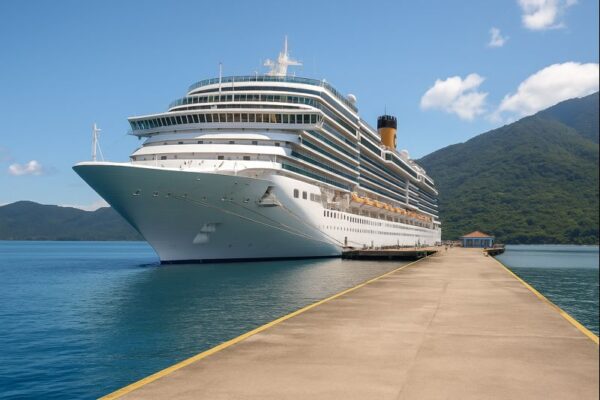
Brazil’s cruise tourism sector received unexpected attention this season as severe weather along the country’s coastline prompted major itinerary changes for two international cruise ships. The Costa Favolosa and MSC Sinfonia were both diverted to Ilhabela after storm conditions made originally scheduled ports unsafe. While the rerouting was weather-driven, the outcome highlighted Ilhabela’s strategic importance as a natural harbor and reinforced its growing reputation as one of Brazil’s most dependable cruise destinations.
Located along the São Sebastião Channel, Ilhabela benefits from a naturally sheltered maritime corridor that protects vessels from rough seas and strong winds. This geographic advantage proved decisive as coastal storms disrupted normal cruise operations, making Ilhabela a preferred refuge for large ships seeking safe anchorage. The successful docking of two major cruise liners under challenging conditions has underscored the island’s value to cruise operators navigating increasingly unpredictable weather patterns.
Natural Geography Strengthens Cruise Safety
Ilhabela’s position within the São Sebastião Channel creates a buffer against open-ocean swells, allowing ships to dock safely even when conditions elsewhere deteriorate. Maritime authorities and port operators have long recognized this natural protection, but recent events have brought renewed attention to its importance. As cruise itineraries become more complex and climate-related disruptions increase, ports offering reliable shelter are becoming critical assets in the global cruise network.
Local officials emphasized that Ilhabela’s pier infrastructure and maritime services are designed to accommodate large vessels efficiently, even when arrivals occur on short notice. This operational readiness played a key role in ensuring smooth passenger disembarkation and minimal disruption for travelers onboard both ships.
Economic Impact of Unexpected Cruise Calls
The arrival of the Costa Favolosa and MSC Sinfonia delivered immediate economic benefits to Ilhabela. Cruise passengers disembarking during these unscheduled stops explored local beaches, historic areas, shops, and restaurants, injecting revenue into the island’s tourism-driven economy. For many local businesses, such visits provide a vital boost, particularly during peak cruise season.
Cruise tourism represents a significant component of Ilhabela’s economic model. Passengers contribute through guided tours, transportation services, dining, retail purchases, and cultural experiences. Even short visits can generate substantial spending, while positive passenger experiences often translate into return visits or future recommendations.
Flexible Port Operations Attract Cruise Lines
Ilhabela’s ability to receive large ships at short notice has earned praise from cruise operators. Flexibility and efficiency are increasingly valued within the industry, particularly as weather volatility affects traditional sailing routes. Ports capable of adapting quickly while maintaining safety standards gain a competitive edge in cruise planning.
The Costa Favolosa, operating a short cruise departing from Santos, was forced to replace its scheduled stop in Porto Belo due to adverse conditions. Ilhabela seamlessly stepped in as an alternative port, allowing passengers to enjoy a coastal destination without compromising safety. Similarly, MSC Sinfonia adjusted its four-night itinerary, replacing a planned stop in Búzios with Ilhabela while rearranging other ports earlier in the voyage.
These swift adjustments demonstrated strong coordination between port authorities, cruise operators, and local tourism services, reinforcing Ilhabela’s status as a reliable contingency destination.
Growing Role in Brazil’s Cruise Tourism Strategy
Beyond emergency diversions, Ilhabela’s cruise calendar reflects sustained growth. The island is projected to host more than 50 cruise ship calls during the 2025–26 season, extending through April. Passenger numbers are expected to exceed 217,000, generating an estimated economic impact surpassing R$80 million. These figures position Ilhabela as one of Brazil’s most active cruise ports outside major metropolitan hubs.
The destination’s appeal extends beyond mass-market cruising. In addition to ships from Costa and MSC, Ilhabela is scheduled to welcome vessels from premium and luxury cruise lines such as Regent Seven Seas, Silversea, Azamara, and AIDA. This diversification strengthens the local tourism offering and raises Ilhabela’s international profile.
Tourism Promotion Through Cruise Visibility
Each cruise call serves as a marketing opportunity for Ilhabela. Passengers experiencing the destination firsthand often share their impressions through social media, travel reviews, and word-of-mouth, increasing global awareness of the island. Cruise visits also allow destinations to showcase their environmental assets, cultural heritage, and hospitality standards to an international audience.
Unscheduled visits, in particular, highlight Ilhabela’s resilience and adaptability, qualities that resonate with cruise planners seeking dependable ports. Over time, these experiences influence future itinerary decisions and strengthen long-term partnerships with cruise operators.
A Strategic Advantage in a Changing Climate
The recent storm-related diversions underscore a broader reality facing cruise tourism worldwide: weather resilience is becoming a defining factor in port selection. Natural harbors like Ilhabela’s offer a strategic advantage as cruise lines adapt to climate variability and prioritize passenger safety.
Ilhabela’s success in accommodating diverted ships without disruption positions it as a model for other coastal destinations seeking to strengthen their cruise tourism infrastructure.
Looking Ahead
The rerouting of Costa Favolosa and MSC Sinfonia may have been unexpected, but the outcome reinforced Ilhabela’s growing importance within Brazil’s cruise tourism landscape. With its sheltered harbor, operational readiness, and expanding cruise calendar, the island is well-positioned to benefit from continued growth in South American cruising.
As the upcoming season unfolds, Ilhabela’s role as both a planned port of call and a trusted safe haven is likely to attract further interest from international cruise lines. In an era where flexibility and safety define success, Ilhabela stands out as a destination prepared not only to welcome travelers but to support the cruise industry when it matters most.
For more travel news like this, keep reading Global Travel Wire