
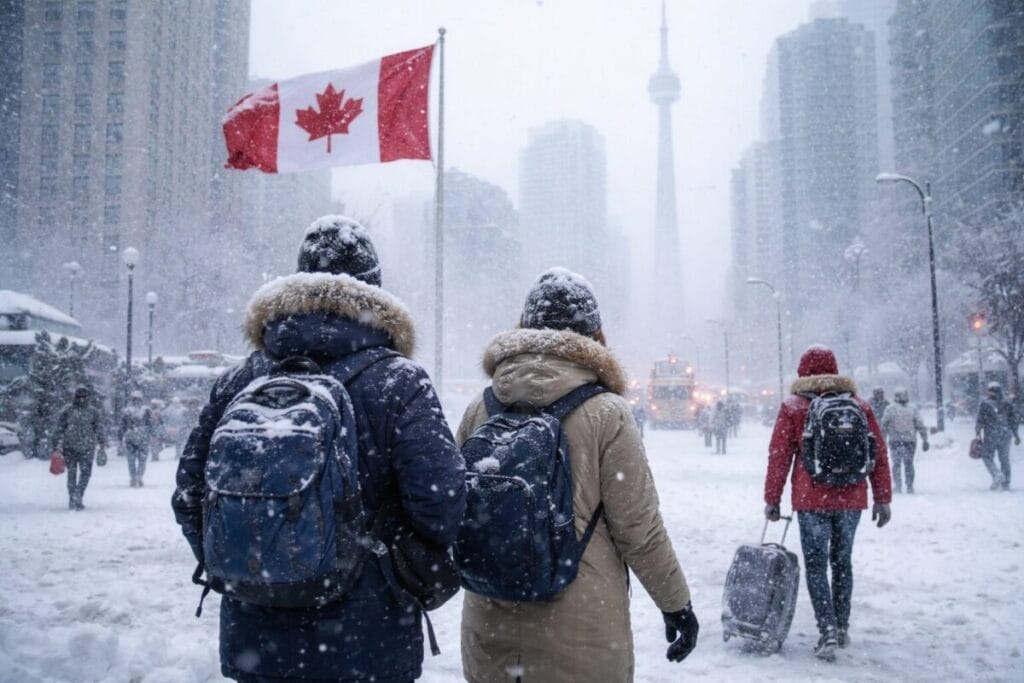
Canada continues to experience one of its harshest winter periods in recent years. Extreme cold, strong wind chills, heavy snowfall, and freezing rain are creating widespread challenges. Major cities and remote regions alike are facing disruptions. Authorities warn that conditions may remain severe for weeks.
Tourism operators, airlines, and local authorities are adapting to ongoing weather risks. While short warm spells appear occasionally, they bring only temporary relief. Cold temperatures quickly return, maintaining pressure on transportation and outdoor activities.
Residents and travelers must stay alert as rapidly changing weather patterns continue across the country.
Extreme Cold Tightens Its Grip on Major Cities
Several Canadian cities remain locked in colder-than-normal temperatures. Toronto, Ottawa, Montreal, and Quebec City are among the areas experiencing prolonged freezing conditions.
Daily temperatures often stay below seasonal averages. Overnight lows feel even colder due to strong winds. These wind chills push perceived temperatures far below actual readings.
Experts say this winter stands out because intense cold and frequent snowstorms are happening together. This rare combination increases travel risks and slows recovery between weather systems.
After an unusually warm autumn, the sharp shift to deep winter conditions has made adjustment more difficult for many residents.
Wind Chill Creates Serious Safety Concerns
Wind chill has become one of the most dangerous elements of this winter season. Strong winds remove body heat quickly, making outdoor exposure risky even for short periods.
In some regions, temperatures feel close to minus thirty or even minus forty degrees Celsius overnight. These levels can cause frostbite within minutes.
Health officials urge people to wear layered clothing and protect exposed skin. Gloves, scarves, insulated boots, and face coverings help reduce risk. Travelers should also plan shorter outdoor activities and take frequent warm breaks.
For tourism operators offering winter experiences, safety protocols now play a critical role. Guided tours, ski resorts, and outdoor attractions adjust schedules based on weather alerts to keep visitors safe.
Snow, Freezing Rain, and Fog Complicate Travel
Winter weather challenges extend beyond cold temperatures. Snowfall, freezing rain, and dense fog are creating hazardous travel conditions across several provinces.
In parts of the Prairies, fog reduces visibility significantly. Drivers face sudden drops in sight distance, increasing accident risks. Freezing rain in some regions coats roads and sidewalks with ice, making movement dangerous for both vehicles and pedestrians.
Airports and rail networks experience delays as crews work to clear ice and snow. Airlines adjust schedules to manage safety concerns. Road travel becomes unpredictable, especially during peak storm periods.
Tourists planning winter travel must check forecasts frequently and prepare for possible delays.
Tourism Industry Adjusts to Harsh Conditions
Canada’s winter tourism sector remains active despite the challenges. Ski resorts, winter festivals, and cold-weather attractions continue to operate. However, operators modify schedules to align with safety guidelines.
Extreme weather often changes visitor behavior. Some travelers postpone trips, while others seek indoor attractions such as museums, cultural centers, and food experiences.
Urban destinations encourage visitors to explore heated public spaces, underground shopping areas, and indoor entertainment venues. These alternatives help sustain tourism even during severe cold.
Travel experts recommend flexible bookings. Weather disruptions can change plans quickly, making adaptable itineraries essential.
Transportation Networks Face Ongoing Pressure
Public transportation systems in many cities struggle with icy tracks, snow accumulation, and reduced visibility. Road crews and transit operators work continuously to maintain services.
Snow and freezing rain affect vehicle traction, causing slower travel speeds. Rail lines experience occasional delays due to safety inspections. Bus routes may change to avoid hazardous conditions.
Travelers should allow extra time for journeys. Carrying emergency supplies, including warm clothing and snacks, helps prepare for unexpected delays.
Safety Advice for Residents and Visitors
Authorities continue to emphasize winter safety. Preparation remains key to managing extreme conditions.
Important safety tips include:
- Dress in multiple layers to retain body heat.
- Limit outdoor exposure during peak cold periods.
- Monitor weather alerts regularly.
- Keep emergency kits in vehicles.
- Stay hydrated and avoid alcohol during prolonged exposure to cold.
Hotels and tourism services also advise guests on safety measures. Many provide updated weather information at check-in to help travelers plan their activities.
Unpredictable Weather Patterns Add Complexity
This winter features frequent temperature swings. Brief sunny periods can give a false sense of improvement. Cold air masses often return quickly, bringing fresh snow and strong winds.
Climate specialists note that shifting weather patterns create greater unpredictability. Rapid changes make forecasting and planning more challenging.
Tourism businesses must remain flexible. Event organizers adjust outdoor schedules and provide backup indoor options to avoid cancellations.
A Long Winter Still Ahead
Forecasts suggest that harsh winter conditions will continue into late February and possibly beyond. Travelers and residents should expect ongoing cold spells, wind chills, and periodic storms.
Despite the challenges, Canada remains a major winter destination. Snow-covered landscapes, winter sports, and seasonal festivals continue to attract visitors.
Preparation and awareness remain essential. By staying informed and prioritizing safety, travelers can still enjoy Canada’s winter while minimizing risks.
As the season progresses, communities across the country continue adapting to extreme weather. Their resilience ensures that daily life and tourism continue, even during one of the toughest winters in recent memory.
For more travel news like this, keep reading Global Travel Wire