





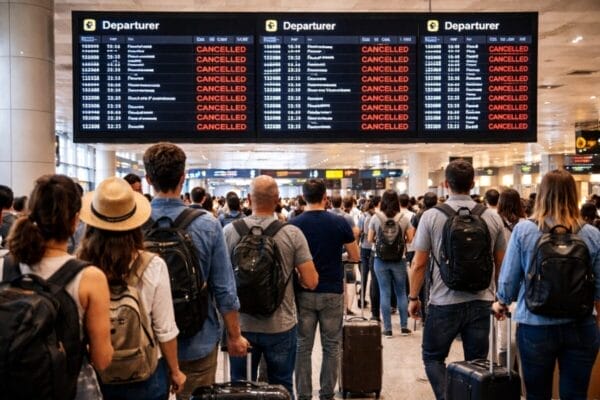

Thousands of cruise passengers experienced unexpected delays and confusion after a major IT outage disrupted Carnival Cruise Line operations across several North American ports in February 2026. What began as a planned maintenance upgrade quickly escalated into a widespread system failure, affecting embarkation processes, onboard services, and digital tools relied upon by travelers.
Passengers boarding ships such as Carnival Breeze, Carnival Glory, and Carnival Freedom reported extended waiting times, unclear communication, and disrupted schedules. The incident highlights the growing reliance of modern cruise operations on digital systems and the challenges companies face when technology fails during peak travel periods.
Embarkation Delays Turn Terminals into Congested Waiting Zones
The most immediate impact was felt at major cruise terminals including PortMiami, Port Canaveral, Long Beach, and New Orleans. With automated check-in systems offline, staff were forced to revert to manual processing methods to verify passengers and issue boarding credentials.
Long lines quickly formed as travelers waited for hours to board ships that were unable to depart on time. Automated scanners, digital identification systems, and mobile boarding tools were unavailable, slowing down what is usually a streamlined process designed to move thousands of passengers efficiently.
One highly affected sailing saw departure pushed back by several hours, creating ripple effects for connecting flights, transportation arrangements, and scheduled shore activities. Families with young children, elderly passengers, and international travelers faced the greatest challenges as terminals became overcrowded.
Onboard Technology Failures Impact Guest Experience
The disruption extended beyond the port, affecting onboard services that depend heavily on integrated IT systems. Many passengers found that the cruise line’s mobile application, which serves as a central hub for managing reservations, viewing schedules, and communicating with crew members, was temporarily inaccessible.
Without access to digital tools, guests struggled to check dining reservations, monitor activity schedules, or manage onboard purchases. Some ships experienced temporary shifts to cash-based transactions when electronic account systems were unavailable.
Entertainment programming, children’s activities, and internet services were also impacted on certain sailings, leaving guests with fewer options than expected. The situation demonstrated how essential digital infrastructure has become to modern cruise operations, where apps and onboard systems play a significant role in shaping the passenger experience.
Planned Maintenance Triggers Unexpected System Breakdown
According to company updates, the disruption originated from a scheduled system upgrade designed to enhance backend technology and improve operational performance. However, the maintenance process resulted in cascading failures across interconnected platforms.
Although navigation systems and safety operations remained fully functional, critical guest-facing tools such as embarkation software, onboard account management, and communication platforms were affected. As a result, both port operations and onboard services faced delays and operational challenges.
Industry analysts note that complex digital ecosystems, while efficient during normal operations, can create vulnerabilities when a single system failure impacts multiple functions simultaneously.
Communication Challenges Add to Passenger Frustration
Many travelers reported frustration with delayed or limited communication during the disruption. Unclear updates about revised boarding times and changing procedures left passengers uncertain about when they could board or depart.
For guests with tight travel schedules, particularly those needing to catch flights after disembarkation, the lack of timely information increased stress levels. Travel plans involving connecting transportation or hotel reservations were disrupted as delays extended beyond initial estimates.
Clear communication is widely viewed as a critical factor during travel disruptions, and industry experts emphasize that proactive updates help reduce passenger anxiety even when delays are unavoidable.
Gradual Recovery and Restoration of Services
By midweek, reports indicated that core systems were gradually being restored. Onboard account features, dining reservations, and messaging tools began functioning again, allowing passengers to resume more normal cruise activities.
Crew members played a key role in managing the situation, providing manual assistance and maintaining service standards despite operational limitations. While the technical problems created inconvenience, many passengers praised staff for maintaining professionalism and hospitality during challenging circumstances.
Lessons for the Cruise Industry
The incident underscores the increasing dependence of cruise lines on advanced technology to manage guest experiences. Digital platforms now control everything from check-in procedures to entertainment scheduling, making system reliability essential for smooth operations.
Industry observers believe that cruise operators may need to invest further in backup systems and contingency planning to prevent similar disruptions in the future. Redundant systems and offline capabilities could help ensure continuity when digital platforms fail.
The event also raises broader questions about balancing innovation with operational resilience. While technology enhances efficiency and personalization, companies must ensure that alternative processes are ready when systems encounter unexpected issues.
What Travelers Should Know Going Forward
Passengers planning cruises in the coming months may benefit from preparing for potential disruptions by keeping printed travel documents, allowing extra time for embarkation, and monitoring updates from cruise operators. Flexibility and awareness remain important in an increasingly digital travel environment.
Despite the challenges, cruise tourism continues to grow in popularity, and industry leaders are expected to use lessons from this incident to strengthen future operations.
A Reminder of Technology’s Role in Modern Travel
The February IT outage serves as a powerful reminder of how interconnected modern travel experiences have become. While digital tools enhance convenience and personalization, they also introduce risks when systems fail unexpectedly.
As Carnival Cruise Line works to rebuild confidence and improve resilience, the broader cruise industry is likely to reassess how technology is integrated into operations. For travelers, the incident highlights the importance of preparedness — and the need for companies to balance innovation with reliability to ensure smooth and enjoyable journeys at sea.
For more travel news like this, keep reading Global Travel Wire