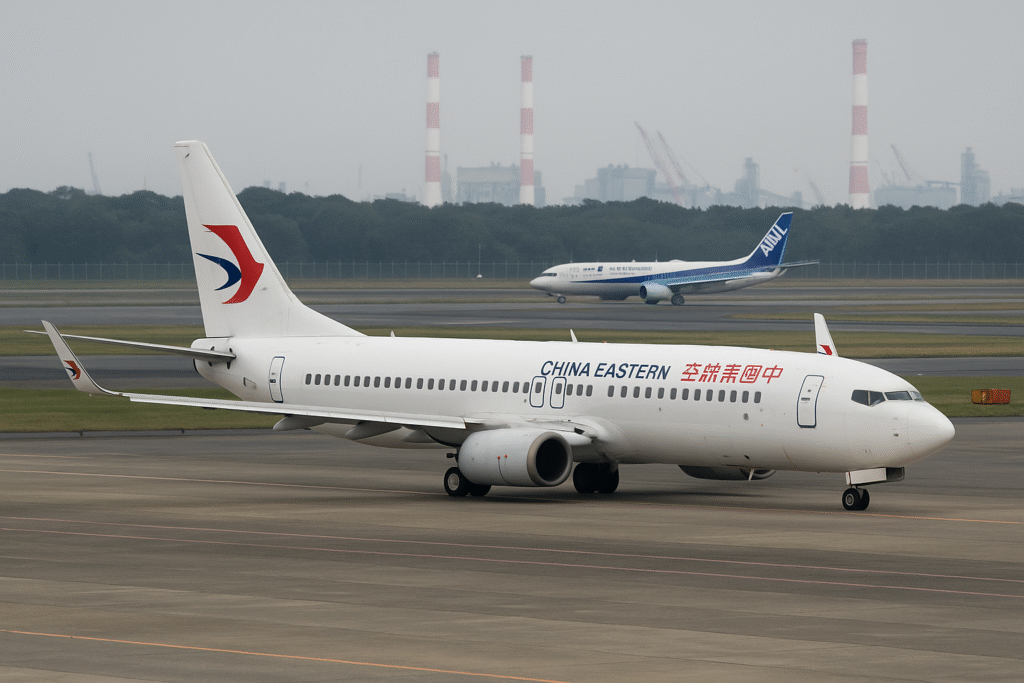
A sharp diplomatic chill between China and Japan has escalated into a travel crisis, causing widespread flight cancellations and a sudden drop in cross-border tourism. As airlines suspend routes and travelers rethink their plans, both nations now face severe economic repercussions. The timing is especially troubling, with the winter travel season and Lunar New Year approaching, when visitor numbers usually surge.
The crisis highlights how swiftly political friction can disrupt tourism recovery and weaken regional economic confidence.
Rising Tensions Trigger Immediate Travel Fallout
The situation intensified after Japan expressed concerns about regional security in the Taiwan Strait. Beijing viewed the comments as an intrusion into its internal affairs. Within days, China issued a strong travel advisory, urging citizens to avoid non-essential trips to Japan.
This warning had an instant impact. Tourists began to cancel plans in large numbers, forcing airlines to cut capacity. Travel agencies in major Chinese cities reported a sudden halt in new bookings, while previously scheduled group tours were scrapped.
The diplomatic standoff turned a political dispute into a mobility freeze that now threatens a key tourism corridor in East Asia.
Airlines Reduce Capacity as Demand Plunges
Airlines on both sides faced a steep decline in passenger volume. Carriers suspended or reduced services across more than a dozen routes linking major hubs such as Beijing, Shanghai, Guangzhou, Tokyo, Osaka, and Sapporo.
In the early days of the advisory, several hundred thousand bookings were cancelled as travelers sought refunds. Routes most affected include leisure-focused flights popular with family tourists and group travelers.
Winter is traditionally a strong period for Japan’s inbound tourism, especially for destinations with ski resorts and seasonal festivals. Airlines depend heavily on this seasonal revenue. The sudden schedule cuts have left many passengers uncertain about alternative routing options, adding to the disruption.
Osaka, Kyoto, and Hokkaido Face the Hardest Hit
Kansai Region: Tourism Slump in Osaka and Kyoto
The Kansai region, home to Osaka and Kyoto, relies heavily on Chinese visitors. These cities attract tourists for food, culture, and shopping, and many local businesses depend on repeat travelers from China.
Hotels, retail outlets, and tourism operators in Osaka and Kyoto report rapid cancellations. Bookings for early 2025, especially during the Lunar New Year travel rush, have dropped sharply. Smaller businesses that depend on group tours are particularly vulnerable.
Hokkaido: Winter Tourism Threatened
Hokkaido, known for its powder snow and luxury ski resorts, faces severe consequences. Chinese travelers form one of the largest segments of foreign winter visitors. Many come specifically for ski packages, hot springs, and seasonal festivals.
With direct flights from China suspended, resorts expect lower occupancy. Some operators are preparing cost-cutting measures to cope with the anticipated decline. The loss of high-spending tourists may also affect local transport, dining, and retail sectors across the island.
A Blow to Japan’s Tourism-Led Recovery
Japan has worked for years to rebuild its tourism economy after the pandemic. In 2019, Chinese visitors made up nearly a third of inbound arrivals and accounted for a major share of spending on accommodation, shopping, and entertainment.
The current downturn risks reversing progress. Key Japanese destinations rely on tourism for employment and retail turnover, and many had forecast strong revenue growth for the 2024–2025 winter season.
A prolonged decline in Chinese arrivals could reduce Japan’s annual tourism income by billions of dollars. Local governments and tourism boards have begun reviewing contingency plans to cushion regional economies.
Economic Impact Extends Beyond Tourism
Tourism is only one part of the picture. A drop in cross-border travel affects aviation revenue, airport retail operations, duty-free outlets, and hospitality sectors ranging from luxury hotels to family-run guesthouses.
Businesses near major airports like Narita, Kansai, and New Chitose are already experiencing reduced foot traffic. Retail sectors that rely on foreign shoppers—electronics, cosmetics, luxury goods—expect a weaker winter season.
For China, the freeze also affects outbound travel companies and airlines that rely on Japan as a top international destination.
Operators Brace for an Uncertain Winter
With no diplomatic breakthrough in sight, airlines and travel companies are preparing for more schedule revisions. Carriers may avoid reinstating suspended routes until both governments signal a willingness to ease tensions.
Tour operators in both countries are adopting a wait-and-see approach. Some are redirecting travelers toward alternative regional destinations, while others are focusing on domestic tourism campaigns.
The unpredictability of the situation makes long-term planning difficult, especially with the Lunar New Year—a peak travel period—approaching quickly.
Looking Ahead: Tourism Recovery Hinges on Diplomatic Progress
The current crisis underscores a key reality: tourism depends not only on demand and accessibility but also on political stability. The China–Japan travel corridor has weathered tensions in the past, but the scale of the current disruption raises concerns about long-term economic damage.
Both governments face pressure from tourism and business sectors to stabilize relations. A return to normal flight schedules will likely depend on diplomatic dialogue and reassurance for travelers.
Until then, the tourism industries of both nations must navigate a challenging winter season shaped by geopolitical uncertainty and reduced traveler confidence.
For more travel news like this, keep reading Global Travel Wire