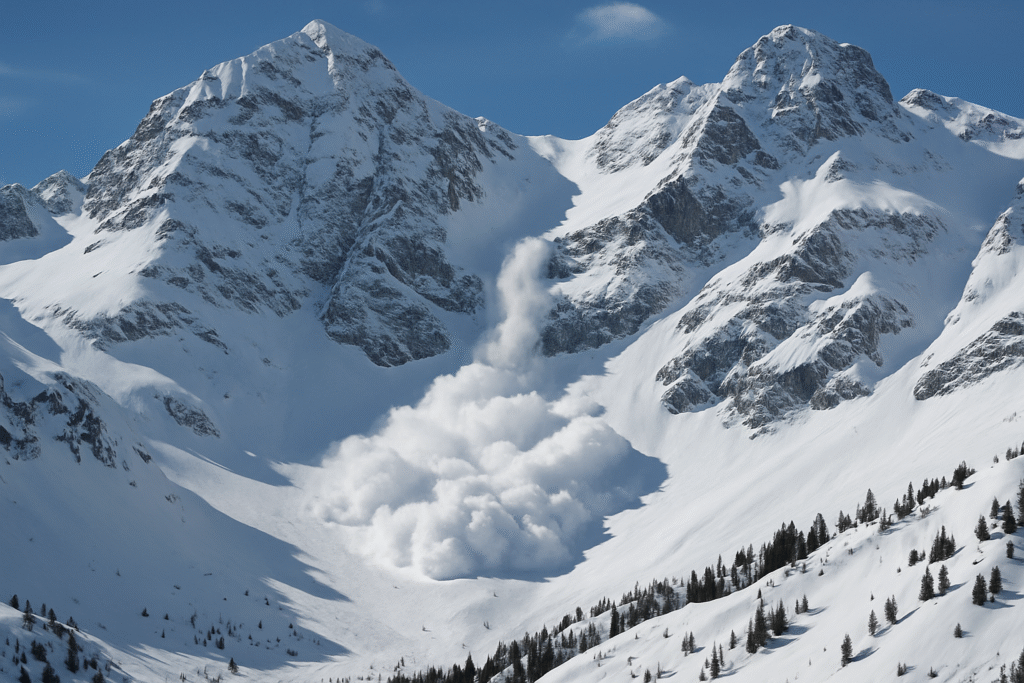
A devastating avalanche near Vertainspitze in the Italian Alps has claimed the lives of five German tourists, casting a somber shadow over Europe’s booming mountain tourism season. The accident, which occurred near the Austrian border, involved a group of ski tourers swept away by heavy snow conditions. Among the victims were two men, a 30-year-old woman, and a father and daughter, highlighting the unpredictable and often perilous nature of high-altitude adventure travel.
Rising Popularity, Rising Risks
In recent years, mountain tourism has seen remarkable growth, driven by travelers seeking adventure, wellness, and nature-based experiences. The Italian Alps—renowned for their breathtaking scenery, alpine resorts, and pristine trails—draw millions of visitors annually. Yet, with this popularity comes increased exposure to environmental dangers such as avalanches, rockslides, and sudden storms.
The tragedy at Vertainspitze illustrates the growing tension between tourism development and mountain safety. As global travelers pursue more immersive experiences in remote and rugged environments, it has become crucial for destinations to balance adventure with responsible safety management.
Local authorities in South Tyrol and national rescue agencies have launched investigations into the incident, reviewing weather conditions, avalanche forecasts, and the preparedness of tourist operators in the region. Officials have emphasized that while mountain exploration remains one of the Alps’ most beloved attractions, conditions can change within minutes—turning scenic trails into life-threatening zones.
Economic Growth Meets Environmental Vulnerability
Mountain tourism contributes significantly to the economies of alpine regions in Italy, Austria, Switzerland, and France. The Italian Alps alone host more than 50 million overnight stays each year, supporting thousands of jobs in hospitality, guiding, and adventure sports. However, disasters such as the Vertainspitze avalanche demonstrate the fragile balance between economic gain and natural vulnerability.
When accidents strike, the consequences extend beyond the immediate tragedy. Local tourism businesses—from hotels and ski schools to restaurants and tour operators—often face declines in bookings following such events. The perception of risk can discourage travelers, even if the majority of alpine resorts operate with high safety standards.
Authorities are increasingly aware that reputation and resilience go hand in hand. Efforts are now focused on enhancing the region’s safety infrastructure, expanding avalanche-monitoring systems, and improving the speed and coordination of mountain rescue operations.
The Imperative for Safer Mountain Tourism
Safety experts argue that mountain tourism must evolve with stronger risk-management frameworks. Comprehensive weather monitoring, emergency-response training, and traveler education are essential to minimizing danger. In the Italian Alps, advanced radar systems and drone-assisted rescue units are being tested to improve real-time hazard detection.
Guided tours, particularly those for ski touring and off-piste adventure, now require certification programs for guides and emergency preparedness briefings for participants. These measures not only reduce risks but also help restore traveler confidence after high-profile incidents.
Experts also recommend that visitors planning alpine expeditions undergo pre-trip briefings about avalanche risks, weather patterns, and proper use of safety gear such as transceivers, probes, and airbag backpacks. Increasingly, local tourism boards in alpine communities are promoting “Know Before You Go” campaigns, urging tourists to prepare thoroughly before venturing into high-altitude terrain.
Environmental Factors and Climate Change
Beyond immediate safety issues, environmental changes are reshaping mountain tourism across Europe. Warming temperatures, unpredictable snowfall, and shifting weather patterns are altering avalanche behavior and stability of snowpacks. Climate scientists warn that melting glaciers and inconsistent freeze-thaw cycles are creating more volatile conditions, increasing the likelihood of accidents in areas previously considered safe.
The Italian Alps, like other parts of the region, are now dealing with both a surge in visitor numbers and environmental degradation. Sustainable tourism initiatives—such as controlled trail access, eco-certified lodges, and low-impact adventure travel—are being championed to protect natural landscapes and maintain long-term safety.
Strengthening Collaboration and Global Safety Standards
The Vertainspitze tragedy has reignited discussions on international collaboration for mountain safety. European alpine nations are coordinating through joint programs that share avalanche data, satellite imagery, and weather models. These efforts are essential for standardizing rescue response and alert systems across borders, especially in regions where tourism routes extend through multiple countries.
Moreover, governments are looking to harmonize safety certification for mountain guides and expand multilingual communication during emergencies—key improvements given the diverse origins of alpine tourists.
Advice for Travelers
For those planning alpine trips, experts recommend checking official avalanche bulletins and weather forecasts, carrying safety gear, and booking through accredited tour operators familiar with local conditions. Avoiding isolated routes, especially after heavy snowfall or sudden temperature changes, can drastically reduce risk.
In addition, tourists should take advantage of local visitor centers, which often offer avalanche awareness sessions and updated maps indicating safe trekking and skiing zones.
A Call for Responsible Adventure
The deadly avalanche near Vertainspitze is a sobering reminder that nature’s beauty and danger coexist in equal measure in the world’s mountains. While adventure travel continues to thrive, sustainable growth depends on proactive safety measures, traveler responsibility, and respect for natural limits.
As the global tourism industry expands into higher and more remote regions, the tragedy underscores an essential truth: safety is the cornerstone of sustainability. The Italian Alps will continue to captivate travelers with their majestic peaks, but preserving both human life and natural heritage requires vigilance, preparedness, and respect for the mountains’ unpredictable power.
For more travel news like this, keep reading Global Travel Wire