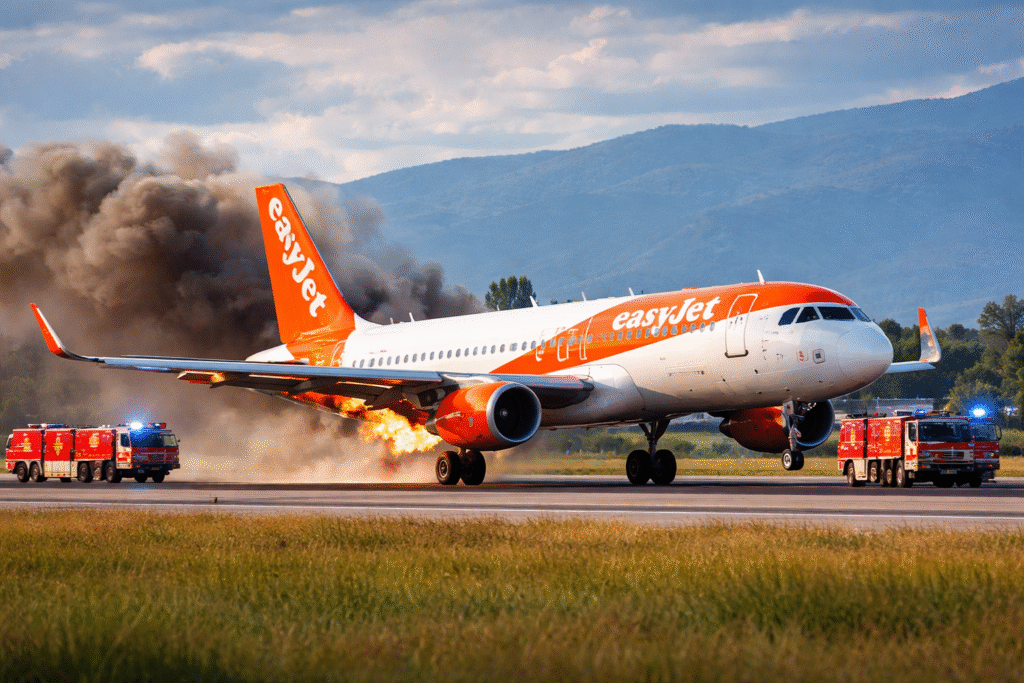
A recent easyJet aircraft incident over Italy drew attention across the aviation and tourism sectors. The event involved a technical malfunction on an Airbus A320 operating a domestic Italian route. Despite dramatic visuals during descent, the flight landed safely. All passengers and crew remained unharmed.
For Italy’s travel industry, the outcome sent a clear message. Modern aviation systems work effectively, even in rare emergencies. The incident reinforced passenger confidence at a time when Italy continues to attract millions of domestic and international travelers.
What Happened During the Domestic Flight
The incident occurred on December 27 during a scheduled flight from Milan Malpensa to Lamezia Terme. The Airbus A320-200 departed normally and climbed without issue.
During descent into southern Italy, the crew observed abnormal activity from the right engine. Flames were visible, and fragments separated from the engine casing. Such visuals can alarm passengers, yet the aircraft remained stable and fully controllable.
Air traffic control immediately supported the flight. Controllers cleared the approach and ensured a direct landing path. The aircraft continued its descent without unnecessary delay.
Flight Crew Response and Emergency Protocols
Once the malfunction became clear, the pilots followed established safety procedures. They shut down the affected engine promptly. Commercial aircraft like the Airbus A320 are designed to fly safely on a single engine. Pilots train extensively for such scenarios in simulators and real-world drills.
The crew maintained calm communication with the cabin team and air traffic control. They managed aircraft systems carefully and monitored performance throughout the approach. The decision-making remained methodical and precise.
The aircraft landed around 23 minutes after the engine shutdown. The delay remained minimal, showing how efficiently the situation unfolded.
Safe Landing in Southern Italy
Emergency services stood ready at Lamezia Terme Airport as a precaution. This step follows standard aviation practice during technical events. Fire and rescue teams positioned themselves near the runway before touchdown.
The aircraft landed smoothly and exited the runway without incident. Passengers disembarked normally and received assistance from ground staff. No injuries or medical concerns were reported.
For travelers visiting Calabria, the safe landing avoided wider disruption. Airport operations continued as scheduled shortly after the event.
Aircraft Grounding and Maintenance Checks
Following the landing, the Airbus A320 remained grounded at Lamezia Terme for several days. Maintenance teams carried out detailed inspections. Engineers examined the engine damage, surrounding structures, and any potential impact from debris.
The damaged engine was removed and replaced. Technicians also completed system checks before clearing the aircraft for service. The plane, around ten years old, remains within the normal operational range for European short-haul aircraft.
Such maintenance actions reflect strict regulatory standards. Airlines must meet these requirements before returning any aircraft to active service.
Understanding Uncontained Engine Failures
Aviation experts categorized the event as an uncontained engine failure. This type of malfunction occurs when internal components breach the engine casing. While rare, the industry plans extensively for such scenarios.
Aircraft certification rules require engines and airframes to withstand high-stress events. Protective design features reduce risks to the aircraft and cabin. Each incident also contributes to future safety improvements.
Manufacturers, airlines, and regulators analyze these events closely. Findings support better inspections, improved materials, and enhanced training programs.
Impact on Italy’s Tourism and Air Travel
Italy relies heavily on air connectivity for tourism. Domestic flights link major hubs like Milan with regional destinations such as Calabria. International travelers also depend on smooth internal connections.
The safe handling of this incident reassured visitors and travel planners. It showed how airlines operating in Italy maintain strong safety cultures. Airports, emergency teams, and flight crews coordinate seamlessly during unexpected events.
Tourism authorities continue to promote Italy as a safe and accessible destination. Incidents like this, when resolved professionally, strengthen that message rather than weaken it.
Airline Safety Culture Across Europe
Following the event, the airline emphasized its focus on passenger safety. Priority landings, engine shutdowns, and temporary groundings form part of routine risk management. Airlines across Europe operate under strict oversight and frequent audits.
Crew training remains continuous. Pilots, engineers, and cabin staff rehearse emergency scenarios regularly. These practices ensure consistent responses across fleets and routes.
Passenger Confidence in Modern Aviation
Images of engine issues can spread quickly online and raise concern. Yet modern aviation relies on layered safety systems. Redundant engines, advanced monitoring, and structured training reduce risk significantly.
For travelers flying within Italy or across Europe, this incident highlighted aviation resilience. Even when technical challenges arise, systems and people work together to protect passengers.
Bottom Line
The easyJet Airbus A320 engine incident over Italy ended safely and without injuries. Professional crew actions, robust aircraft design, and coordinated emergency planning ensured a controlled outcome.
For Italy’s tourism sector, the event reinforced trust in air travel. It confirmed that aviation remains one of the safest ways to explore the country, even when unexpected situations occur.
For more travel news like this, keep reading Global Travel Wire