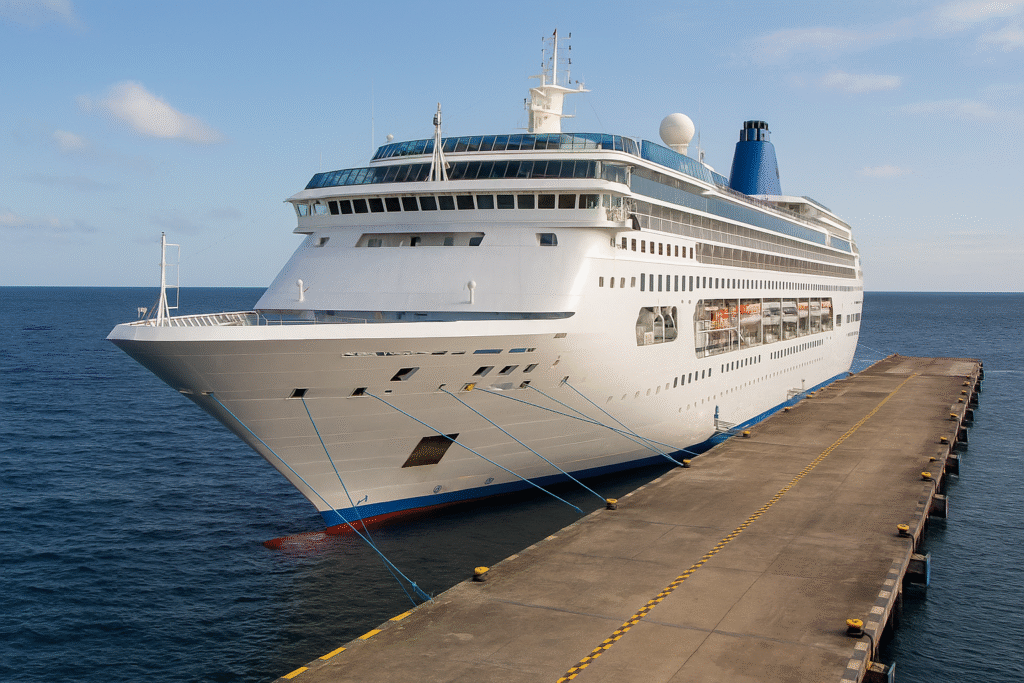
France is preparing to make a significant shift in its approach to cruise tourism with the introduction of a new environmental tax aimed at protecting its coastlines. The proposal, recently approved by the French Senate and now under review in Parliament, outlines a 15-euro fee per cruise passenger for every stop made in France. If finalized by mid-December, the policy would mark one of the most impactful environmental initiatives in the country’s tourism sector and could influence global cruise regulations moving forward.
Designed to fund coastal protection, improve environmental infrastructure, and manage the growing pressures from cruise operations, the tax has sparked debate across political, economic, and tourism circles. Yet, its intent is clear: ensure that cruise tourism contributes fairly to the preservation of France’s fragile marine ecosystems.
A New Environmental Approach to Cruise Tourism
Cruise tourism has long been a major contributor to France’s travel economy, with ports such as Marseille, Nice, Le Havre, and Cherbourg welcoming millions of passengers annually. However, the environmental impact of large cruise vessels—ranging from heavy fuel emissions to waste discharge—has raised increasing concerns.
The newly proposed tax would generate an estimated 75 million euros per year, funds that would be allocated to coastal restoration, pollution mitigation projects, improved port waste systems, and long-term marine conservation.
For passengers, the cost is minimal, but for France, the impact could be transformative.
Why France Is Taking Action Now
Support for the measure has grown alongside rising global awareness of climate change and the environmental footprint of maritime tourism. Cruise ships can emit pollution levels equivalent to thousands of cars, with some studies noting that the industry’s total CO₂ emissions rival those of major global transportation networks.
Senator Jean-Mar Délia, one of the key proponents of the bill, emphasized that cruise ships represent disproportionately high externalities, especially along dense coastal areas where ecosystems are sensitive to pollution. By implementing a per-passenger tax, France aims to make cruise operators more accountable for their environmental impact while investing in stronger protections for marine habitats.
The goal is not to limit tourism but to balance economic benefits with ecological responsibility, aligning France with international sustainability standards.
How the Funds Will Support Coastal Ecosystems
The revenue generated from the tax will be directed toward multiple environmental priorities, including:
- Upgrading port waste processing systems
- Developing cleaner maritime energy solutions
- Reducing coastal pollution from heavy marine traffic
- Restoring beaches, dunes, wetlands, and marine habitats
- Strengthening biodiversity protection programs
France’s coastlines, spanning the Mediterranean, Atlantic, and northern regions, are essential not just to tourism but also to fisheries, local communities, and cultural heritage. The new tax aims to ensure these natural assets remain preserved for future generations.
Will the Tax Impact Cruise Tourism in France?
The cruising sector, along with local business owners in port cities, has expressed concerns about potential tourism losses if cruise operators divert itineraries elsewhere. However, policymakers argue that France’s diverse, iconic port destinations give it continued competitive strength.
Moreover, several European nations have already implemented similar levies. Italy, Spain, and Norway have introduced passenger fees or environmental surcharges for cruise ships, reflecting a broader movement toward sustainable maritime tourism. France’s adoption of the tax could help standardize environmental practices across European cruise markets.
With travelers increasingly valuing sustainability, the tax may even enhance France’s appeal among environmentally conscious visitors.
Controversy Over the Ferry Industry
A key point of debate involves the distinction between cruise ships and ferries. Ferries, essential for connecting mainland France to islands and coastal towns, have lower emissions per passenger and serve as vital public transportation.
France’s Minister of Public Accounts, Amélie de Montchalin, criticized the proposal’s wording for not clearly differentiating the two sectors. She argued that applying the same tax to ferries could unfairly burden local economies and essential transport services.
As the proposal moves through Parliament, refinements are expected to ensure the tax targets high-impact vessels without penalizing essential maritime travel.
Will the Tax Apply to Overseas Territories?
Another issue under consideration is whether the tax will extend to French overseas departments and territories such as Guadeloupe, Martinique, and French Polynesia—regions that welcome large numbers of cruise ships but face severe environmental vulnerabilities.
While inclusion could provide needed conservation funding, lawmakers acknowledge that overseas territories require tailored environmental strategies due to their unique ecosystems. Parliament is expected to address this before final approval.
A Broader Global Shift Toward Sustainable Tourism
France’s initiative reflects a growing international trend of holding cruise lines accountable for environmental impacts. Around the world, tourism destinations are introducing stricter regulations, including emissions controls, waste discharge rules, and per-passenger taxes supporting sustainability.
The cruise industry itself is also transitioning, with operators investing in cleaner fuels, new propulsion technologies, and more efficient ships.
France’s proposed tax aligns with these global efforts and could inspire similar policies in other coastal nations.
Toward a Cleaner and More Responsible Cruise Future
If approved, France’s cruise passenger tax will symbolize a major step forward in sustainable tourism policy. It places environmental responsibility at the forefront, ensuring that the economic benefits of cruise tourism do not come at the expense of coastal health.
Though the measure faces ongoing debate, its intent resonates with a worldwide movement to protect oceans and coastlines. France’s leadership in adopting such measures could set a powerful precedent—shaping the future of responsible cruising and safeguarding natural treasures for years to come.
For more travel news like this, keep reading Global Travel Wire