Italy’s maritime sector is entering a transformative new phase as the ports of Genoa and Savona officially roll out electric heavy‑duty vehicles to support daily port operations. This ambitious initiative marks a defining moment for sustainable logistics in Europe, reflecting a clear shift toward cleaner, smarter and more responsible maritime transport. The effort is part of a large‑scale pilot project—launched in October 2025—through a strategic partnership between LC3 Trasporti, pioneers in eco‑friendly trucking, and Costa Cruises, one of the world’s leading cruise operators.
With maritime logistics serving as a critical link in global trade and tourism, the initiative positions Genoa and Savona as European frontrunners in the race to reduce emissions and adopt zero‑impact solutions. Their early transition to electric fleets signals a growing momentum for sustainable innovation across Italian and European ports.
Electric Trucks Begin a New Chapter for Port Operations
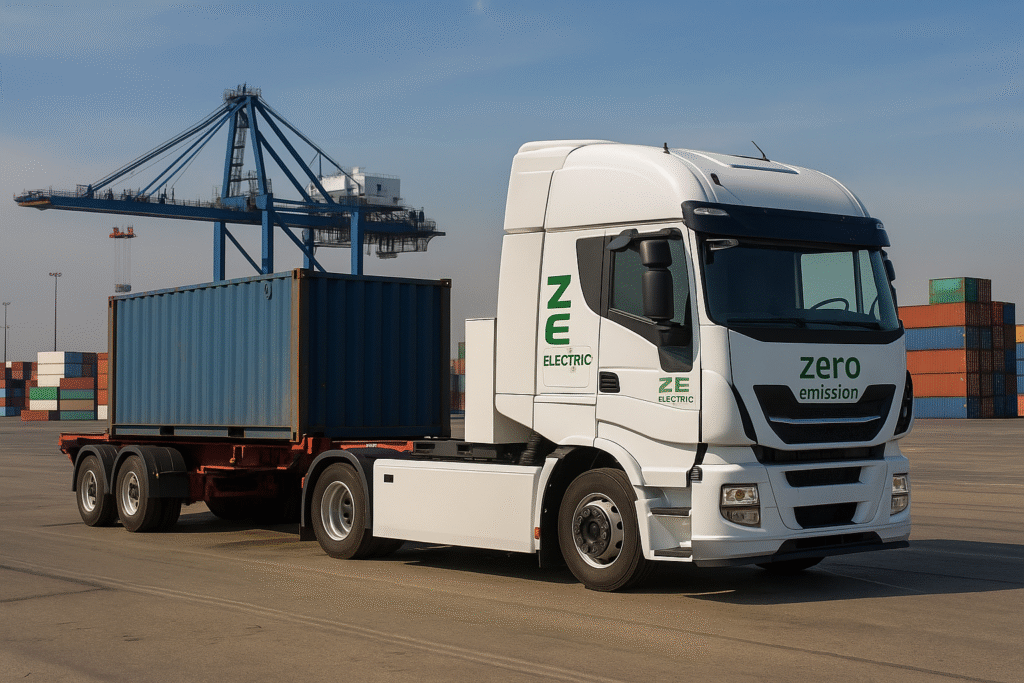
The introduction of high‑capacity electric trucks at two of Italy’s busiest ports represents a bold step toward decarbonizing supply chains. These heavy‑duty EVs—engineered to transport loads exceeding 40 tons—now handle essential goods and supplies destined for cruise ships, replacing diesel vehicles that previously dominated port logistics.
The benefits are immediate and multifaceted:
Zero Tailpipe Emissions
Electric trucks eliminate on‑site pollutants such as CO₂, nitrogen oxides and particulate matter, directly improving air quality for port workers, visitors and nearby residents.
Greater Energy Efficiency
Electric drivetrains convert energy far more efficiently than traditional diesel engines. This contributes to reduced energy consumption and lowered operational costs over time.
Quieter Operations
Electric trucks significantly reduce noise pollution, creating a calmer and safer working environment within bustling port zones.
With thousands of daily movements within port premises, the cumulative environmental impact of this shift is substantial.
Building on Previous Sustainability Milestones
This pilot project builds upon several years of collaboration between LC3 Trasporti and Costa Cruises. Since 2022, the partnership has utilized BIO‑LNG‑powered trucks—a renewable and cleaner alternative to fossil-based LNG—to support medium‑ and long‑distance transport routes across Italy and Europe. These advancements have already contributed to major reductions in CO₂ emissions across the cruise supply chain.
The introduction of electric trucks enhances this progress further:
- Cleaner air quality in Genoa and Savona
- Reduced dependency on fossil fuels
- Lower greenhouse gas emissions across the entire logistics cycle
The move demonstrates how strategic partnerships between transportation companies and cruise operators can deliver measurable, large-scale environmental benefits.
Sustainable Logistics as a Competitive Advantage
Sustainability is no longer an optional feature in global port operations—it is fast becoming a competitive necessity. By embracing electric mobility, Genoa and Savona are setting new benchmarks in Europe’s maritime logistics sector. Their pioneering approach demonstrates how modern ports can integrate eco‑friendly transport solutions without sacrificing operational efficiency.
Key advantages of Italy’s new green logistics model:
- Improved environmental reputation for Italian ports
- Future‑ready infrastructure aligned with global decarbonization goals
- Enhanced port attractiveness to cruise lines prioritizing sustainability
- Expanded job opportunities in green technologies and logistics operations
This advancement reinforces Italy’s position among Europe’s leaders in eco‑conscious maritime innovation.
Scaling Up: The Road Ahead for Electric Mobility in Italian Ports
The initial results of the 2025 pilot project have exceeded expectations. Encouraged by the success in Genoa and Savona, LC3 Trasporti and Costa Cruises are planning to expand the electric fleet to additional Italian ports. The long-term vision is to integrate a fully sustainable logistics network, combining electric trucks with BIO‑LNG vehicles to optimize performance across varying transport needs.
Planned next steps include:
- Increasing the number of electric heavy‑duty vehicles in port operations
- Expanding zero‑emission logistics to more Italian cruise terminals
- Investing in charging infrastructure to support high‑capacity EV fleets
- Developing new technologies to further reduce the carbon footprint
This scaling strategy aligns with both national sustainable transportation policies and broader European ambitions.
Supporting Europe’s Climate Objectives
Italy’s progress in Genoa and Savona strongly reflects the wider goals of the European Union, which aims for a 55% reduction in greenhouse gas emissions by 2030 and full climate neutrality by 2050. The initiative is fully aligned with the EU Green Deal, showcasing real-world implementation of decarbonization strategies in a sector traditionally dependent on fossil fuels.
European-Level Benefits:
- Boosts EU leadership in sustainable transport innovation
- Supports cross-border emission reduction efforts
- Inspires other European ports to transition to electric fleets
- Demonstrates feasibility of zero‑emission solutions for heavy logistics
As one of Europe’s busiest maritime corridors, northern Italy’s commitment to sustainability sets an impactful example.
Conclusion: Genoa and Savona Set Global Benchmark for Green Port Innovation
The adoption of electric heavy‑duty trucks in Genoa and Savona marks a transformative milestone for Italy’s maritime logistics sector. With strong partnerships, advanced technology and ambitious environmental goals, these ports are demonstrating what the future of sustainable maritime operations can look like.
The initiative sends a clear message to the world: the path to zero‑emission logistics is not only possible—it is happening now. And Genoa and Savona are leading the charge toward greener, smarter, and more resilient port operations for the decades ahead.
For more travel news like this, keep reading Global Travel Wire