
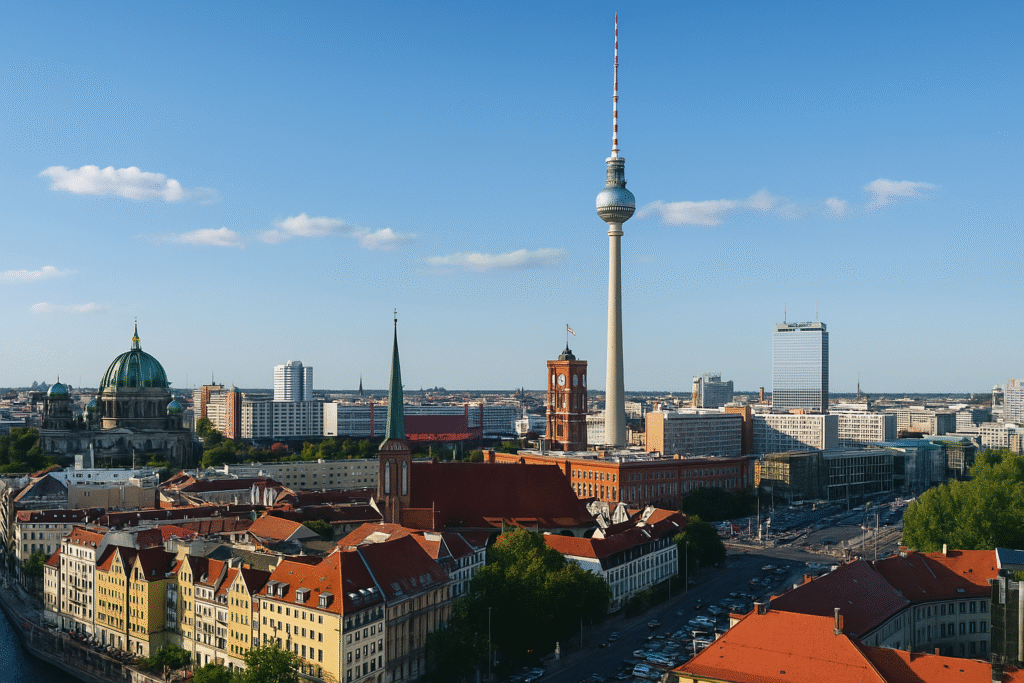
Germany’s tourism sector is poised for a substantial leap forward as the country announces visa-free entry for citizens of 93 countries, including major markets such as the United States, Canada, Mexico, the Bahamas, Australia, New Zealand and Japan. This strategic move significantly lowers barriers for international travellers and is expected to fuel growth in leisure travel, business tourism and extended stays, thereby strengthening Germany’s position as a top global destination.
A Turning Point for Germany’s Travel Landscape
By broadening visa-free access to a wide range of high-spending source markets, Germany opens itself to a more diverse global visitor base. Easier entry means more spontaneous trips, shorter planning timelines and broadened appeal for culturally motivated travellers, historic-city seekers and nature enthusiasts alike. Cities from Berlin to Munich, the Rhine valley’s castles and the scenic regions along the Moselle, Main and Ruhr rivers stand to gain from increased international footfall. Attractions such as Heidelberg’s historic university, the old town of Mainz and Germany’s renowned beer, wine and gastronomic culture already draw millions. With entry rules simplified, more travellers from far-flung regions may now choose Germany for their next vacation or business trip.
Why the Timing Matters
Germany’s tourism rebound has been strong in recent years, with arrivals and overnight stays climbing steadily after pandemic-related disruptions. By easing access for travellers from major outbound markets, Germany is aligning with global travel trends favouring fewer entry hurdles, greater mobility and more flexible itineraries. In doing so, the country is preparing to capture a larger share of inbound visitors at a time when global outbound travel is expanding rapidly and competition among destinations is keen.
What the Visa Change Means for Travellers
For travellers from the newly included countries, the implications are significant:
- Short-stay leisure and business visits become more attractive thanks to the lack of a visa requirement.
- Multi-destination itineraries that include Germany are easier to plan.
- Germany becomes a more accessible base for exploring Europe’s Schengen region, with Germany’s excellent transport links.
- Tourism operators, hotel groups and local businesses may introduce more tailored packages aimed at these new markets.
Destination Diversity: Cities, Coasts and Hinterlands
Germany offers a compelling mix for travellers: vibrant metropolitan areas such as Berlin, Hamburg and Frankfurt; historic towns like Heidelberg, Lübeck and Mainz; and scenic regions defined by rivers, forests and charming villages. The Rhine and its tributaries—the Neckar, Main, Moselle and Ruhr—are peppered with medieval castles, terraced vineyards and story-book villages. This diversity allows Germany to appeal to a broad range of interests: culture and architecture, nature and outdoor recreation, food and wine tourism, and family or multi-generation travel. With easier access, visitors from North America or the Asia-Pacific may now consider adding Germany as a key stop in their European journey.
Economic and Industry Impact
The tourism boost triggered by expanded access will benefit a wide spectrum of the industry: hotels and resorts, guided tour operators, regional attractions, local food businesses and transport services. As visitor numbers rise, so too will demand for lodging, dining, specialised tours and cultural events—all of which can support job creation and regional economic growth. Industry insiders expect the visa-free policy to stimulate further investment in visitor infrastructure, multilingual services and destination marketing aimed at non-European markets.
Planning Travel: What Visitors Should Know
While visa-free access simplifies entry, travellers should still consider key practicalities:
- Entry is typically for a short-stay (e.g., up to 90 days in a 180-day period) under Schengen rules.
- Insurance, proof of onward travel and sufficient funds may still be required at border control.
- Travellers should plan their itinerary given Germany’s efficient rail network and regional connections.
- Peak seasons (summer, festivals, Christmas markets) demand early hotel bookings.
- Visitors can use Germany as a hub to explore multiple European countries in a single trip.
A Strong Signal to the Global Travel Market
Germany’s move to ease entry aligns with global trends: destinations recognising that border flexibility enhances competitiveness, visitor diversity and revenue potential. By including large source markets such as the US, Canada, Australia and Japan, Germany signals that it is sharpening its edge in the global tourism arena. For agencies, tour operators and international travellers, this policy change opens up new opportunities to design Germany-first or Germany-inclusive itineraries that were previously more complex.
Conclusion: Germany’s Invitation to the World
With visa-free access now extended to 93 countries, Germany has issued a clear invitation to global travellers: come and experience masterpiece cities, historic landscapes, cultural legacy and varied scenery—from cosmopolitan urban centres to the quiet meanders of the Moselle valley. For tourism professionals and travellers alike, the simplified entry rules mark a moment of possibility. Germany is not just more accessible—it is more inviting.
For the traveller from the US, Canada, Mexico, Australia or Japan, this change means lower friction, more flexibility and enhanced choice. For Germany’s tourism industry, it means greater opportunity, higher volume and wider global reach. In short: the world is being invited to explore Germany—and Germany stands ready to welcome it.
For more travel news like this, keep reading Global Travel Wire