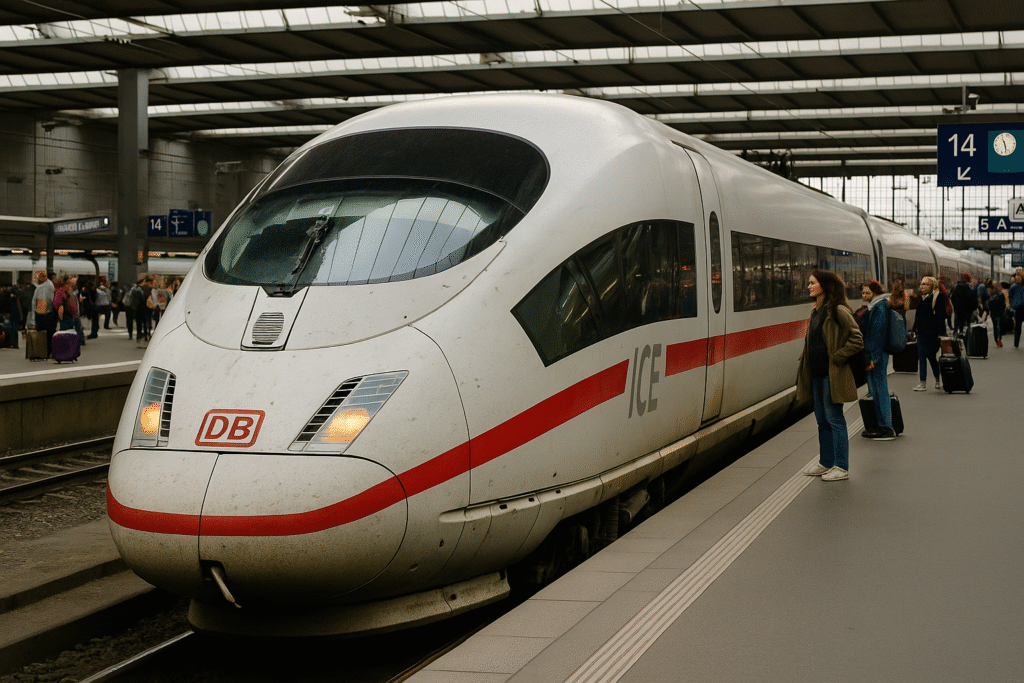
Germany, one of Europe’s most visited destinations, is navigating a significant transport challenge as widespread rail delays disrupt travel across the country. For millions of tourists planning to explore Germany’s historic cities, castle routes, and scenic countryside, the national rail system’s declining punctuality has created new hurdles for seamless travel.
Deutsche Bahn (DB), Germany’s national rail operator, has reported some of its lowest on-time performance in recent history. In November 2025, only 54.5% of long-distance trains ran on time, highlighting a steep decline linked to construction work, aging infrastructure, staffing shortages, and increased rail traffic. These issues are being felt most acutely in Germany’s busiest transport hubs—Berlin, Munich, and Hamburg—which are also major gateways for international tourists.
As a country renowned for engineering precision, efficiency, and world-class travel experiences, Germany’s ongoing rail challenges mark a noticeable shift for visitors who typically rely on its dependability.
A System Under Pressure: Why Delays Are Increasing
The root causes behind the delays stem from several overlapping pressures:
1. Massive Infrastructure Overhauls
Germany is in the midst of a multiyear modernization program. With more than €100 billion allocated through 2029, the government is working to update decades-old tracks, tunnels, signaling systems, and station facilities. While this long-term investment aims to create a faster, greener, and more reliable rail network, the short-term impact is widespread disruption.
2. High Traffic and Staff Shortages
Germany’s rail network is busier than ever. With a post-pandemic surge in domestic and international travel, long-distance routes often run at full capacity. Staff shortages—particularly among drivers, dispatchers, and maintenance crews—have intensified delays and reduced the number of trains available during peak times.
3. Domino Effect Across the Network
Because Germany’s rail system is highly interconnected, delays in major cities ripple across the country. A single construction slowdown in Munich can impact routes extending into Austria, Switzerland, and northern Germany.
For tourists, this means that missed connections, re-routed trains, and sudden cancellations are more common than in previous years.
Government Action: New Reforms Aim to Reverse the Trend
Despite current challenges, Germany is not standing still. The government has introduced sweeping reforms designed to stabilize and improve rail performance.
One of the most significant changes is the launch of DB InfraGO, a new organization responsible for managing the country’s railway infrastructure. The goal is to streamline track repairs, improve station operations, and create a centralized decision-making structure that accelerates modernization efforts.
Officials have also set ambitious punctuality targets: 70% reliability by 2026, with a long-term goal of reaching 90% punctuality by 2030. These numbers reflect a determination to restore public confidence and support tourism growth.
While these reforms promise long-term benefits, tourists visiting Germany in 2025 should expect continued disruptions before improvements fully take effect.
What Tourists Should Expect When Traveling by Train in 2025
For travelers planning to explore Germany’s iconic sights—from the Brandenburg Gate to Neuschwanstein Castle—rail travel remains one of the most convenient and scenic ways to navigate the country. However, adapting to current conditions is essential.
1. Build Flexibility Into Your Schedule
Travelers should avoid tight connections between attractions, tours, and onward travel. Leaving extra time between trains and activities helps reduce stress if delays occur.
2. Check Real-Time Train Status
Tourists are advised to monitor delays, cancellations, and platform changes through official railway apps and station announcements. Real-time updates are crucial, especially for long-distance and high-speed ICE trains.
3. Consider Regional Trains
Regional trains, though slower, have proven more reliable during recent disruptions. They can be excellent alternatives for shorter journeys or day trips to nearby cities.
4. Explore Alternative Transport Options
For time-sensitive travel, buses and short domestic flights may provide more predictable travel times. Germany’s extensive highway and regional airport networks make these alternatives viable for certain routes.
The Broader Impact on Germany’s Tourism Industry
These rail delays have implications far beyond transportation. Tourism providers—including hotels, guided tours, and travel agencies—rely heavily on predictable train schedules. Disrupted connections can affect group tours, event travel, business trips, and multi-city itineraries.
Still, Germany continues to experience strong tourism demand. Travelers remain drawn to its blend of medieval towns, cutting-edge architecture, world-class museums, and natural landscapes. With smart planning and flexibility, visitors can still enjoy rich experiences without being significantly hampered by transport challenges.
A Glimpse of the Future: Better Rail Travel Ahead
Despite the short-term inconvenience, Germany’s investment in rail modernization reflects a long-term promise: a more efficient, greener, and more connected Germany. Once renovations are complete, tourists will benefit from:
- faster high-speed routes
- more reliable train schedules
- upgraded stations
- seamless cross-border journeys
- expanded support for sustainable travel
Germany’s scenic train routes—through the Black Forest, the Rhine Valley, and the Bavarian Alps—remain some of Europe’s most breathtaking travel experiences. When the upgrades conclude, these journeys will become smoother and more accessible than ever.
Conclusion: Travel Smart, Stay Flexible, and Enjoy Germany
For tourists visiting Germany in 2025, awareness and flexibility are key. While delays and cancellations are likely, they do not diminish the richness of Germany’s cultural attractions, the beauty of its landscapes, or the warmth of its hospitality.
By planning ahead, adjusting expectations, and staying informed, visitors can still explore everything Germany offers—even during a year of unprecedented rail challenges. And when the improvements are complete, travelers will enjoy a rail system worthy of Europe’s top tourism destination.
For more travel news like this, keep reading Global Travel Wire