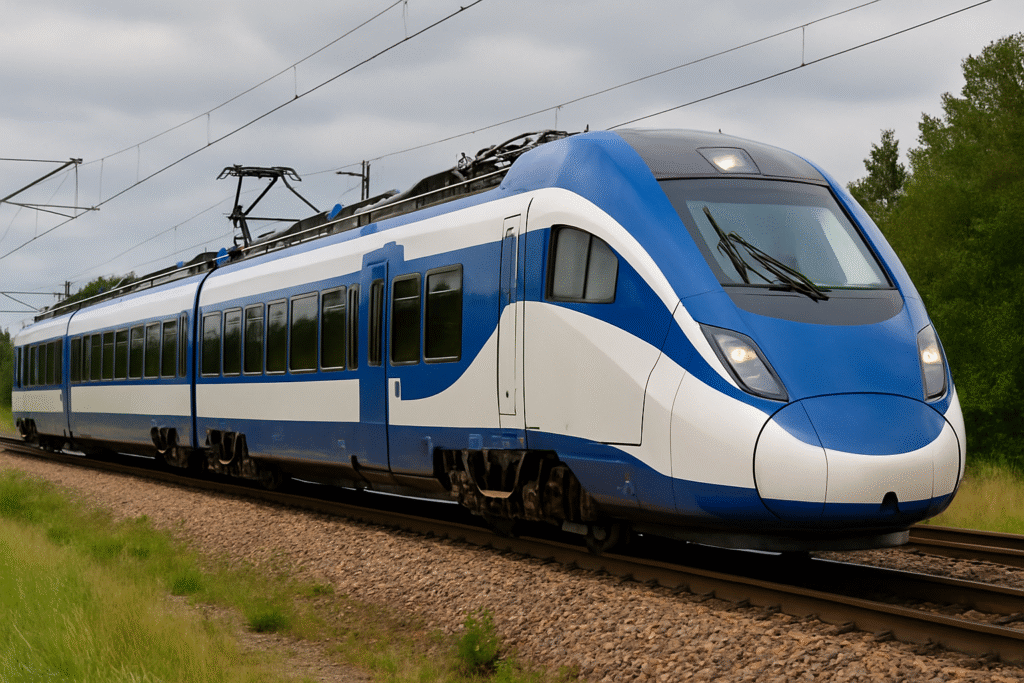
The Grand Est region in northeastern France is stepping confidently into the future of mobility with a major rail transformation that promises to reshape passenger travel for decades to come. With an investment of €235 million in a fleet of sixteen state-of-the-art six-car Régiolis bi-mode trains built by CAF, the region is launching one of its most ambitious transport modernization projects to date. Designed to renew the regional fleet and phase out older locomotive-hauled coaches by 2030, these innovative trains are poised to enhance tourism, improve efficiency for daily commuters, and strengthen economic development across the region.
For travelers exploring the historic landscapes of Champagne, the picturesque villages of Alsace, or the cultural riches of Lorraine, this next-generation rail system will deliver faster, more sustainable, and more comfortable journeys. With the introduction of bi-mode technology—allowing trains to operate effortlessly between electrified and non-electrified tracks—Grand Est is elevating travel convenience while advancing France’s broader environmental commitments.
Bi-Mode Flexibility: A Revolution for Regional Rail Travel
The new Régiolis trains are equipped with dual-power technology, enabling automatic switching between electric and thermal modes. This flexibility is a game changer for a region like Grand Est, where railway lines span both modern electrified networks and more rural, non-electrified stretches.
Passengers will enjoy uninterrupted travel across diverse landscapes without needing to change trains or face delays caused by network limitations. Whether running through the vineyards of Champagne, the industrial corridors of Lorraine, or the vibrant metropolitan links between Metz, Nancy, Strasbourg, and Reims, these bi-mode trains guarantee seamless service across the region’s extensive rail geography.
This integration of hybrid operation marks a strategic step toward reducing diesel dependency, lowering operating costs, and increasing the reliability of rail services. It represents a crucial milestone in France’s transport transition, promoting cleaner operations while ensuring continued accessibility to communities that are not yet connected to the electrified grid.
A New Dimension of Comfort and Passenger Experience
Designed with the modern traveler in mind, the new Régiolis trains are engineered to provide an elevated travel experience that blends convenience with comfort. Spacious seating and improved ergonomics cater to both short daily trips and long regional journeys, ensuring passengers enjoy a relaxed environment from start to finish.
Key comfort features include:
• Spacious Interiors: Wider aisles, improved seating layouts, and generous legroom create a more enjoyable cabin experience.
• Noise Reduction: Advanced engineering minimizes vibration and noise, offering a calm, peaceful ride ideal for work or rest.
• Climate Control: Precise temperature regulation ensures comfort during Grand Est’s warm summers and cold winters.
• Accessibility: Low-floor design, dedicated spaces, and easy boarding facilities make the trains accessible for passengers with reduced mobility.
• Connectivity: Wi-Fi and USB charging ports allow travelers to stay connected, whether commuting for business or leisure.
These features align with the region’s goal of making rail travel not just practical, but pleasant—encouraging more residents and visitors to choose trains over cars.
Boosting Tourism Across Grand Est’s Diverse Destinations
The arrival of these high-tech trains is set to dramatically enhance tourism across Grand Est. With faster and more reliable connections linking smaller towns to major urban centers, travelers will find it easier than ever to explore the region’s remarkable cultural and natural attractions.
Tourists visiting Reims for its legendary Champagne houses, Strasbourg for its UNESCO-listed old town, or Colmar for its fairy-tale charm will benefit from smoother, quicker rail links. The improved network also opens doors to smaller, lesser-known destinations—historic villages, vineyards, museums, and scenic countryside locations—helping diversify tourism across the region.
This expanded accessibility strengthens local economies and draws attention to the heritage-rich communities that define Grand Est’s unique identity.
Driving Sustainability Through Green Rail Technology
Environmental responsibility is a key pillar of Grand Est’s transport transformation. The new bi-mode trains significantly reduce greenhouse gas emissions by relying on electric power whenever possible and minimizing diesel usage. As France moves toward low-carbon mobility, these trains play a vital role in meeting national climate targets.
Future versions of the Régiolis trains will include battery-powered and hybrid electric-thermal models, continuing the shift toward fully sustainable operations. Regenerative braking systems recapture energy during deceleration, contributing to lower overall energy consumption and greater efficiency.
By investing in this technology, Grand Est positions itself as a leader in eco-friendly travel and demonstrates how regions can balance mobility needs with environmental stewardship.
Strengthening the Region Through Modern Mobility
The long-term impact of this €235 million investment extends far beyond transportation improvements. The introduction of these advanced trains will reduce highway congestion, cut pollution in urban centers, and enhance regional cohesion by connecting communities more effectively.
Economic benefits include:
• Job Creation: Employment opportunities in train manufacturing, maintenance, and station upgrades.
• Boosted Regional Economy: Improved transport links support local businesses, tourism operators, and workforce mobility.
• Enhanced Social Connectivity: Better access to education, healthcare, cultural sites, and employment hubs across the region.
With the Régiolis bi-mode fleet, Grand Est is not only modernizing its rail system but laying the foundation for a more vibrant, inclusive, and sustainable future.
Conclusion: A Smarter, Greener Era for Travel in Grand Est
The introduction of the Régiolis bi-mode trains marks a turning point in the evolution of mobility in Grand Est. By combining cutting-edge technology, environmental innovation, modern comfort, and improved connectivity, these trains set a new standard for regional rail travel in France.
Whether you’re exploring the region’s scenic landscapes, commuting between cities, or embarking on a cultural adventure, rail travel in Grand Est is about to become faster, greener, and more enjoyable than ever.
For more travel news like this, keep reading Global Travel Wire