Holiday travel plans across northern England have been thrown into disarray as severe weather conditions trigger widespread train cancellations in Lancashire and Cumbria. Heavy rainfall, combined with a heightened risk of flooding, has significantly disrupted rail services, prompting Northern Railway to advise passengers to avoid non-essential travel over the weekend and into the early part of the following week.
The disruption comes at a particularly busy time, with many travelers heading to the Lake District and surrounding areas for winter breaks, seasonal events, and business commitments. Rail operators have warned that conditions are likely to remain challenging due to saturated ground, overflowing rivers, and safety concerns along key railway corridors.
Severe Weather Brings Rail Network to a Standstill
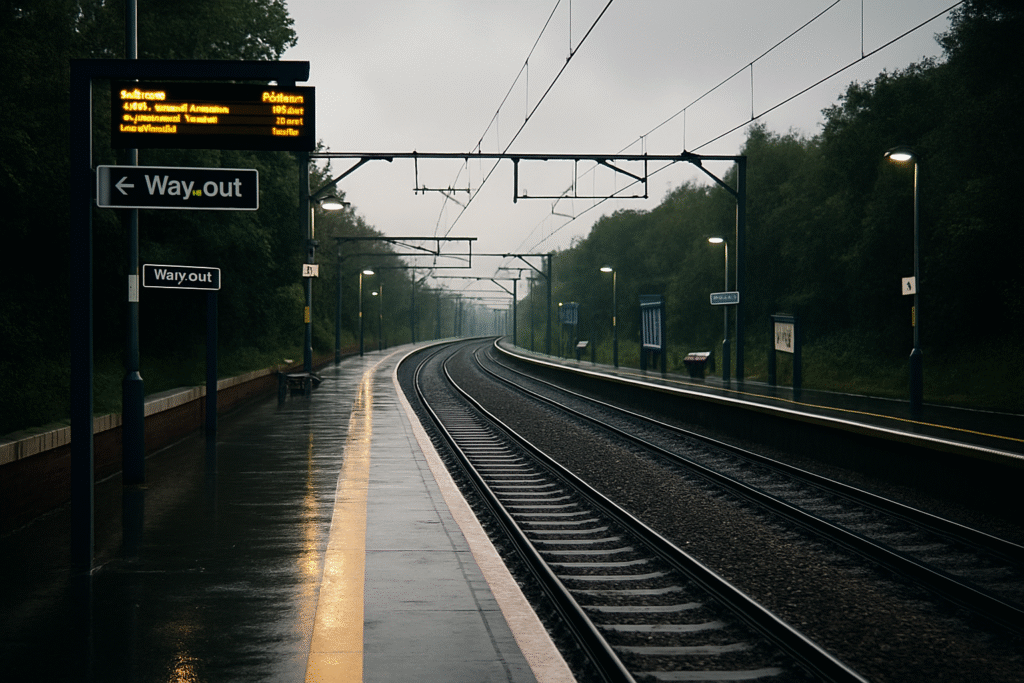
Unrelenting rain has affected large parts of northwest England, overwhelming drainage systems and flooding tracks and embankments. As a result, multiple rail routes have been temporarily suspended to ensure passenger safety. The decision to cancel services was taken after assessments showed that continuing operations would pose unacceptable risks due to waterlogged infrastructure and unstable ground conditions.
Rail authorities have confirmed that several important lines will remain closed for at least two days, with further disruption possible depending on how weather conditions evolve. Engineers are monitoring track conditions closely and will only allow services to resume once safety checks are completed.
Routes and Destinations Most Affected
The worst disruptions are concentrated in Lancashire and Cumbria, particularly on routes serving popular leisure destinations and rural communities. Several lines connecting coastal towns, regional hubs, and Lake District gateways have been suspended entirely, while others are operating with severe limitations.
Rail links between Carlisle and Carnforth, Oxenholme and Windermere, and connections serving Skipton, Barrow, Lancaster, and Morecambe have been among the hardest hit. These routes are vital for both daily commuters and tourists accessing the Lake District, making the impact particularly widespread during the holiday period.
Passengers traveling between major cities and smaller towns in the region are facing cancellations, reduced frequencies, and replacement transport options that may be limited due to road conditions.
Impact on Tourism and Local Economy
The Lake District, one of the UK’s most visited national parks, is a major casualty of the disruption. Many visitors rely on rail services to reach towns such as Windermere, Grasmere, and Keswick, especially during the festive season when winter scenery, Christmas markets, and outdoor activities attract large numbers of travelers.
With trains suspended, hotels, guesthouses, restaurants, and visitor attractions may see reduced footfall. Tour operators and local businesses are bracing for cancellations and last-minute changes as travelers reassess their plans or delay trips altogether.
Business travel has also been affected, particularly for professionals commuting between regional centers or attending meetings in affected areas. Limited transport options may force travelers to rely on private vehicles, taxis, or overnight accommodation changes, increasing costs and inconvenience.
Road Conditions Add to Travel Challenges
Travelers considering driving as an alternative are being urged to proceed with caution. Prolonged rainfall has led to flooded roads, standing water, and reduced visibility on major routes, including motorways and rural roads. Low-lying areas near rivers are especially vulnerable, and temporary road closures are possible if water levels rise further.
Traffic congestion is expected to increase as displaced rail passengers turn to road travel, adding pressure to already challenging driving conditions. Authorities have advised motorists to allow extra time, avoid unnecessary journeys, and remain alert to changing conditions.
Advice for Travelers Planning Weekend Journeys
Passengers planning travel in Lancashire and Cumbria during the disruption period are strongly encouraged to prepare carefully. Staying informed is essential, as conditions may change rapidly depending on rainfall levels and flood risk.
Travelers should check service updates frequently, consider flexible travel plans, and explore alternative routes where possible. Those with accommodation bookings are advised to contact their hotels or hosts in advance to discuss arrival options or potential changes.
For those who must travel, planning additional time into journeys and having contingency options in place can help reduce stress and delays.
Preparing for Future Winter Travel Disruptions
This latest bout of disruption highlights the ongoing challenges posed by extreme winter weather to the UK’s transport network. Travelers heading to rural or weather-sensitive regions during colder months should expect occasional disruption and plan accordingly.
Building flexibility into travel schedules, monitoring weather forecasts, and researching alternative transport options in advance can help mitigate the impact of similar events in the future. Winter travel insurance and refundable accommodation options can also provide added peace of mind.
Looking Ahead
Rail operators and infrastructure teams are working to restore services as soon as conditions allow, with safety remaining the top priority. Inspections, drainage work, and track repairs will continue throughout the disruption period to minimize longer-term impact.
While the current situation presents challenges for holidaymakers and business travelers alike, careful planning and realistic expectations can help travelers navigate the disruption more smoothly. As winter weather becomes increasingly unpredictable, preparedness and flexibility are essential tools for anyone traveling during the holiday season in northern England.
For more travel news like this, keep reading Global Travel Wire