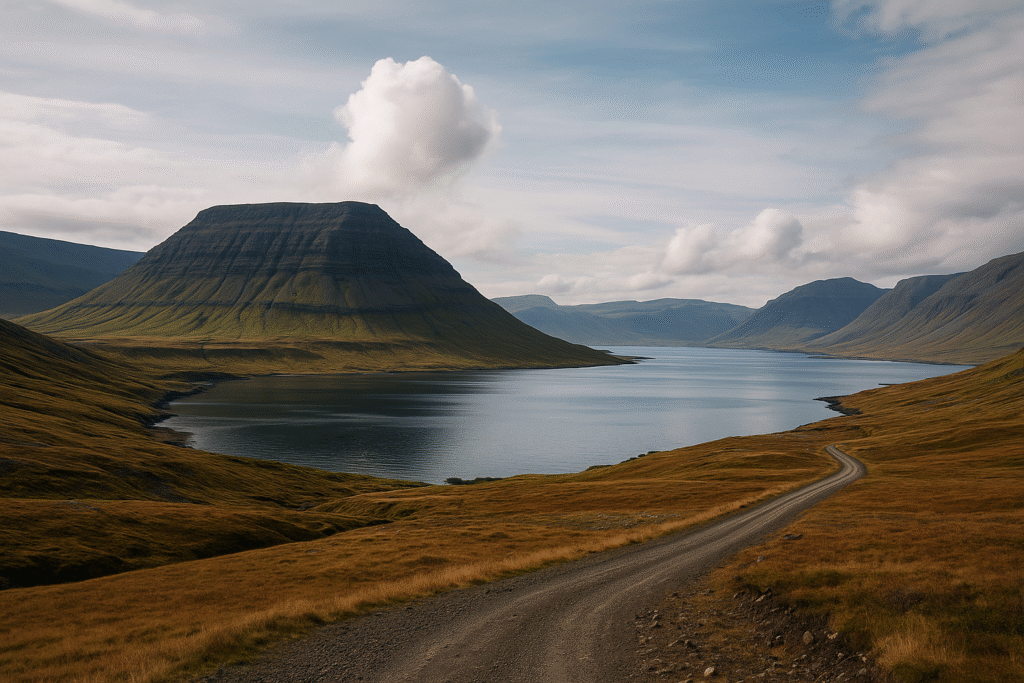
Tourism across the globe is entering a new phase, and at the forefront of that transition is Iceland. With its dramatic landscapes, geothermal features and pristine wilderness, Iceland has long been a dream destination. But like many popular locales, the surge in visitor numbers has put significant strain on fragile ecosystems and local communities. In response, the country is joining the ranks of nations such as Italy, Japan, Spain, the Netherlands and Indonesia in rolling out stricter tourism-management measures designed to protect heritage and ensure long-term sustainability.
The Context: Why the Shift in Tourism Policy?
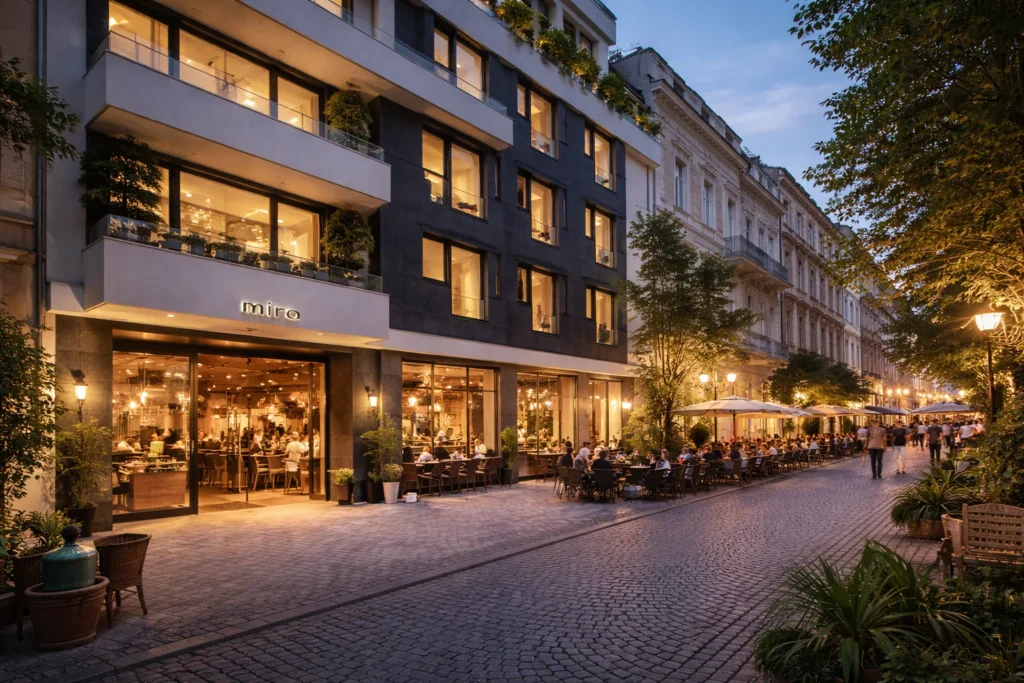
In recent years, destinations famed for their spectacular scenery or cultural heritage have found themselves struggling under the weight of mass tourism. Narrow historic streets buckling under crowds, natural trails eroding from heavy foot-traffic, local housing driven out by short-term rental demand: these are just some of the symptoms of overtourism. Thus, countries are moving from simply promoting greater visitor numbers to ensuring that the flow of tourism doesn’t destroy the very appeal that attracted travellers in the first place.
Iceland’s own tourism boom illustrates the challenge. From fewer than half a million annual visitors a decade ago to several million today, the pace of growth has raised questions about environmental impact, infrastructure overload and community well-being. Local authorities and tourism stakeholders have begun to stress that the destination must now shift gears – from growth at any cost to controlled, conscientious development.
Iceland’s New Tourism Management Measures
Iceland is now implementing a suite of policies to manage visitor numbers and mitigate environmental pressure. Among the key tools:
- A per-passenger, per-day fee aimed at large-scale cruise ship arrivals and heavy foot-traffic zones. This charge is intended not only to discourage unsustainable volumes, but also to generate funds for conservation, trail maintenance and infrastructure upgrades.
- Limits on access to certain sensitive natural sites and hiking areas. These restrictions help protect fragile landscapes—such as moss-covered lava fields, glacial valleys and geothermal zones—from overuse, erosion and degradation.
- A ceiling on the number of major cruise-ship calls and the number of visitors each ship can unload in high-impact regions. This seeks to control the burst-load of thousands of visitors arriving via one vessel and subsequently crowding into small towns or natural sites ill-equipped to absorb them.
- Encouraging dispersion of visitors through lesser-known regions, promoting off-peak travel and shifting infrastructure investment toward sustainable transport, accommodation and local communities.
By adopting these strategies, Iceland is clearly aiming to recalibrate its tourism model — from unchecked influx to managed, sustainable visitation that safeguards nature and quality of experience.
Global Comparisons: What Others Are Doing
Iceland is not alone. Several destinations have already implemented or announced similar measures:
- In Italy’s iconic city of Venice, the introduction of entry fees, tourist caps and advanced booking requirements reflect efforts to relieve crowded historic zones and preserve intimate experiences.
- Japan has taken steps to limit visitor numbers to sacred or sensitive areas—such as limiting daily numbers for climbing Mount Fuji and restricting access to small islands with delicate ecosystems.
- In Spain’s Barcelona and the Balearic Islands, regional tourist taxes, limits on short-term rental properties and promotion of off-peak season travel signal a shift from growth to balance.
- Amsterdam (in the Netherlands) is tackling cruise ship overload and aiming to regulate hotel expansion to protect local infrastructure and resident quality of life.
- Indonesia’s Bali has added a tourist tax and banned foreigners from renting motorbikes in some zones, both aimed at encouraging more responsible tourism behaviour and reducing local disruption.
Together, these examples highlight a rising global recognition: the era of unlimited tourism growth is ending, giving way to a new model of sustainable, measured-flow tourism.
Implications for Visitors and the Industry
For travellers planning a visit to Iceland or other destinations enacting visitor-management policies, several practical implications emerge:
- Expect new fees or surcharges for certain access or transport options, especially in high-traffic tourism zones.
- Some natural attractions may require advance booking or small-group permits, especially during peak seasons.
- Cruise visitors or large-group tour participants may find stricter limits on ship calls, shore time, or access to popular sights.
- Travel operators, accommodation providers and local communities will increasingly emphasise sustainable practices and responsible behaviour; this may become part of the travel experience itself.
- From a planning perspective, visitors may consider travelling in shoulder or off-peak seasons, exploring less-visited regions and supporting local services to reduce strain on popular areas.
From the industry side, operators and destination managers are shifting tactics. Marketing campaigns are adapting from “more is better” to “better experience”; infrastructure investment is moving toward capacity control and sustainable design; and local communities are being given stronger voice in how tourism flows are managed.
The Road Ahead: Sustainability Over Growth
Iceland’s decision to join the tourism-management wave underscores several themes: that the value of a destination lies not just in visitor numbers, but in the quality of the visitor-experience, the preservation of local culture and the resilience of the environment. As global climate change, ecosystem stress and social-impact concerns grow, the era of open-ended tourism expansion is being replaced by one of deliberate, strategic visitor flow.
For destinations like Iceland, the challenge now is to ensure that tourism remains a positive driver for local economies while safeguarding what makes the place unique. That means measuring success not only by arrivals but by visitor satisfaction, environmental integrity, resident well-being and long-term infrastructure health.
Conclusion
In essence, Iceland is signalling a new chapter — for itself and the broader travel world. By introducing entry fees, access caps and area-specific management, the nation is embracing tourism not as a volume race but as a value proposition. This shift offers crucial lessons for travellers, travel businesses and other destinations: in the face of overtourism, sustainability is no longer optional—it is now foundational. Visiting Iceland or destinations with similar policies means arriving not just as a guest, but as a steward of place—aware of impact, respectful of culture, and ready to experience tourism in a more meaningful way.
For more travel news like this, keep reading Global Travel Wire