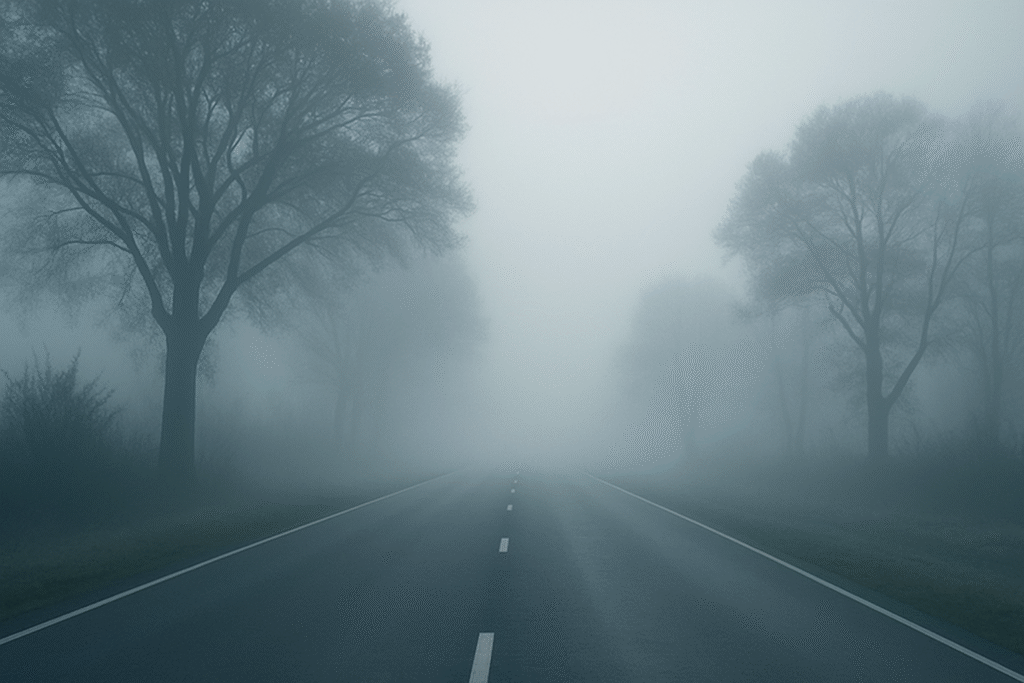
Travelers planning to explore Illinois this week are being urged to exercise extreme caution after the National Weather Service issued a Dense Fog Advisory across central, east-central, southeast, and west-central Illinois. The advisory, in effect from 10 PM CST on November 23 through 10 AM CST on November 24, warns of visibility dropping to a quarter mile or less. For tourists moving through popular destinations such as Springfield, Peoria, and Champaign-Urbana, this sudden reduction in visibility could significantly impact travel schedules and sightseeing plans.
Dense fog advisories are issued when atmospheric moisture condenses near the ground, creating low-lying clouds that hinder visibility. Such conditions typically worsen during overnight hours and early mornings, especially in the cooler months when temperature changes create heavier fog near rivers, lakes, valleys, and open farmland. For visitors who may be unfamiliar with Midwestern weather patterns, this advisory underscores the need for cautious planning and heightened awareness.
Tourism Hotspots Affected Across Illinois
Several of Illinois’ most frequently visited destinations fall within the advisory zone. While tourism activities are expected to continue, travelers should anticipate slower transportation times, reduced visibility during drives, and potential delays for outdoor tours.
Springfield
As the state capital and home to nationally known historical attractions, Springfield welcomes thousands of visitors year-round. Landmarks such as the Abraham Lincoln Presidential Library and Museum, the Old State Capitol, and surrounding heritage trails may experience lighter foot traffic due to fog. The dense fog may make it challenging for drivers navigating major routes, especially those unfamiliar with city access points.
Champaign-Urbana
This vibrant university town offers botanical gardens, museums, and a diverse arts scene. Although most attractions remain open, visitors should expect reduced visibility on rural roads surrounding the university area, particularly near fields and open plains where fog settles thickest.
Peoria
With popular draws like the Peoria Riverfront Museum and Luthy Botanical Garden, the city often sees families and weekend travelers exploring outdoor exhibits. Fog may limit visibility along waterfront paths and scenic overlooks.
Decatur and Macon County
Known for parks, wildlife areas, and family-friendly outdoor attractions, this region is especially prone to heavy fog because of its open landscapes and water bodies. Visitors hiking nature trails or driving near forest preserves should be extra alert for sudden visibility loss or hidden road curves.
How Weather Conditions Affect Travel
The National Weather Service warns that visibility may fall to a quarter mile or even less in some places. Such conditions are especially dangerous along highways, rural roads, and areas without street lighting. Dense fog tends to form most heavily in low-lying locations and near rivers—common features across large sections of Illinois.
Even routine routes can become unexpectedly hazardous when visual cues disappear. For tourists—many of whom rely on GPS, signs, and roadside landmarks—fog presents additional difficulty, as signage may not be visible until drivers are very close. This can lead to sudden braking, lane changes, and an increased likelihood of roadside accidents.
Essential Safety Tips for Tourists
To stay safe while traveling during the advisory, tourists are encouraged to follow weather-recommended driving and safety protocols:
Reduce Speed
Driving slowly provides more time to react to traffic signals, sudden stops, or obstacles hidden by fog. It also reduces stopping distance on damp road surfaces.
Use Low Beam Headlights
Low beams reduce glare and help illuminate the road more clearly. High beams reflect off fog droplets and worsen visibility.
Increase Following Distance
Maintaining extra space between vehicles helps avoid collisions if the vehicle ahead brakes suddenly. Reduced visibility makes it harder to anticipate traffic flow.
Avoid Sudden Movements
Swift braking and sharp turns can cause skids, especially on slick roads. Gentle acceleration and gradual steering help maintain control.
Stay Updated on Weather Changes
Fog conditions can shift rapidly. Tourists should check updated forecasts through hotel staff, weather apps, or local broadcasts before heading out.
Visitors staying in accommodations should also inquire about local travel alerts, especially if they plan early-morning excursions when fog peaks.
Potential Travel Disruptions
Beyond road conditions, dense fog may impact outdoor tourism activities. Walking tours, nature hikes, and photography outings may be postponed due to low visibility. Families traveling to botanical gardens, parks, or zoos might encounter delayed openings or restricted access to outdoor exhibits.
Air travel may also be affected. Airports in the region, particularly those in Springfield and Champaign-Urbana, may experience slower takeoffs or arrivals as air traffic controllers adjust operations for limited visibility. Travelers should monitor airline notifications for schedule changes.
Final Travel Outlook for Visitors
The Dense Fog Advisory across Illinois serves as a clear reminder that weather can significantly affect Midwest travel plans. With visibility expected to fall drastically in parts of the state, tourists must adopt safe driving habits, stay alert to weather updates, and build extra travel time into their itineraries. While attractions across Springfield, Peoria, Champaign-Urbana, Decatur, and Macon County remain open, visitors may need to modify schedules until conditions improve. By prioritizing safety and remaining flexible, tourists can still enjoy their Illinois experience once visibility clears and normal travel resumes.
For more travel news like this, keep reading Global Travel Wire