Korean Air has announced new late-night flights connecting Seoul and Osaka, targeting travelers who seek flexible schedules and efficient travel options between South Korea and Japan. The expansion reflects strong demand for short-haul international trips, especially weekend travel and quick business journeys.
The airline will increase services between Incheon International Airport and Kansai International Airport starting March 2026. The updated schedule adds late-night departures, giving passengers more freedom to plan trips around work and personal commitments.
This move highlights evolving travel trends across Northeast Asia. Travelers now prefer shorter stays, frequent visits, and schedules that maximize time at their destination.
Late-Night Flights Designed for Modern Travelers
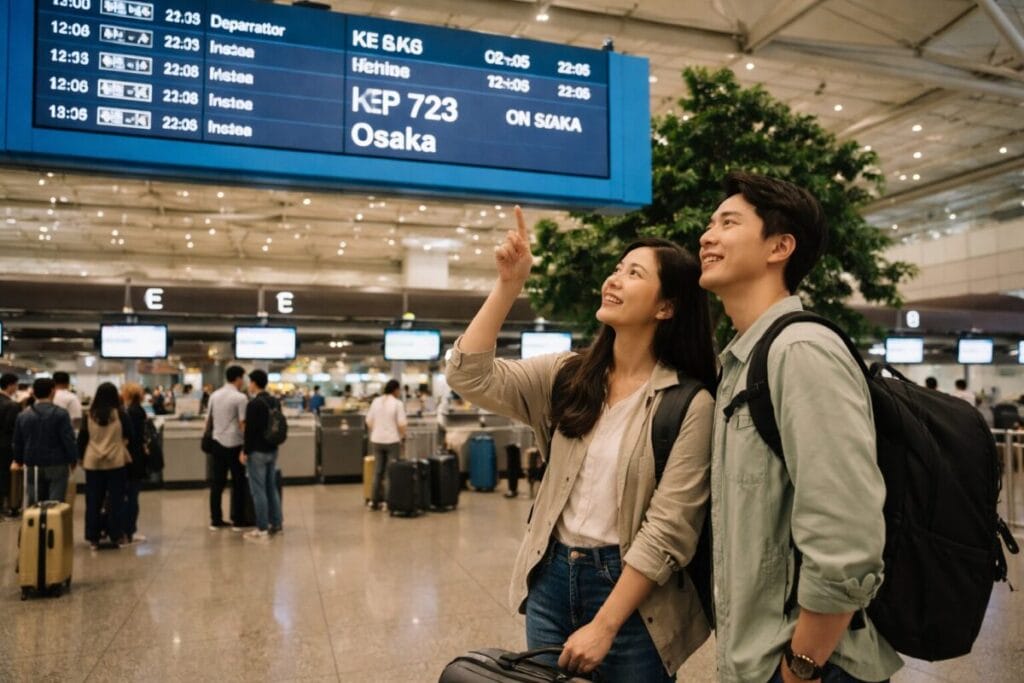
The new late-night flights allow passengers to depart Seoul after regular working hours. Travelers can arrive in Osaka late at night and begin exploring immediately the next day.
This scheduling approach supports short trips without requiring extended leave. For example, passengers can leave Seoul on a Friday evening, spend the weekend in Japan’s Kansai region, and return early Monday morning.
Such flexibility appeals to younger travelers, digital professionals, and frequent flyers who want efficient travel plans. Airlines increasingly adjust schedules to match changing lifestyle patterns. Travelers value convenience, speed, and reduced disruption to daily routines.
Increased Flight Frequency Strengthens Regional Connectivity
Korean Air plans to operate four daily flights between Incheon and Osaka. This marks an increase compared with previous schedules and provides more departure choices throughout the day.
Higher frequency improves accessibility for both direct passengers and transit travelers connecting through Seoul. Incheon International Airport serves as a major hub linking Asia with long-haul routes to Europe and North America.
The airline will operate the new service using Airbus A321neo aircraft. This aircraft type offers improved fuel efficiency and quieter cabins. Passengers also benefit from upgraded seating and modern onboard features designed for short- to medium-haul flights.
Expanded flight schedules also support tourism growth by providing more options during peak travel periods.
Rising Demand for Travel Between South Korea and Japan
Japan continues to rank among the most popular international destinations for South Korean travelers. Short flight times, cultural connections, and strong tourism infrastructure make it ideal for frequent visits.
In recent years, visitor numbers between the two countries have surged. Many travelers now prefer shorter trips rather than extended holidays. Weekend travel, culinary tourism, and city-focused experiences drive demand.
Osaka plays a central role in this trend. The city offers a mix of traditional culture, shopping districts, entertainment zones, and renowned food experiences. Its location in the Kansai region also makes it a gateway to nearby destinations such as Kyoto, Nara, and Kobe.
Airlines respond by adding flexible schedules that support quick getaways and repeat travel.
Benefits for Leisure and Business Travelers
The new late-night flights target both leisure tourists and business professionals. For holidaymakers, flexible departure times make spontaneous travel easier. Travelers can maximize time exploring attractions instead of spending daylight hours in transit.
Business travelers gain similar advantages. Evening departures allow professionals to complete workdays before flying. Early morning returns help minimize missed office time.
Osaka remains a major commercial hub in western Japan. The city hosts international conferences, exhibitions, and corporate events throughout the year. Improved connectivity supports cross-border business travel and strengthens economic ties between South Korea and Japan.
Airlines increasingly recognize that business and leisure travel patterns overlap. Many travelers now combine work trips with short leisure stays, often referred to as “bleisure” travel.
Kansai International Airport’s Strategic Role
Kansai International Airport acts as a key gateway for western Japan. Built to support international connectivity, the airport provides access to both major urban centers and regional destinations.
The addition of late-night flights expands arrival and departure options, allowing smoother passenger flow during busy travel seasons. It also improves connections to domestic flights, rail networks, and local transport systems.
Enhanced airline schedules help distribute passenger traffic more evenly throughout the day. This supports operational efficiency while improving traveler experience.
For regional tourism authorities, increased connectivity encourages more visitors to explore beyond Tokyo. The Kansai region benefits from diverse attractions, including historic temples, modern entertainment districts, and culinary hotspots.
A Strategic Move Reflecting Changing Travel Trends
Korean Air’s decision aligns with broader industry trends toward flexible travel planning. Travelers seek options that allow quick departures, shorter stays, and efficient itineraries.
Late-night flights cater to this demand by turning travel time into overnight transit rather than daytime disruption. Airlines across Asia increasingly experiment with unconventional departure times to maximize convenience.
The growth of hybrid work arrangements also influences travel behavior. More travelers schedule short trips around flexible work hours, creating demand for unconventional flight timings.
By expanding its Seoul–Osaka route, Korean Air strengthens its regional network while responding directly to passenger preferences.
Outlook for Future Travel Growth
Industry observers expect strong demand for the new schedule. Both direct passengers and transit travelers can benefit from expanded flight options.
Tourism flows between South Korea and Japan continue to grow as airlines increase capacity and governments support cross-border travel. Flexible flight schedules will likely become more common as airlines compete to attract time-conscious travelers.
Korean Air’s late-night service signals a shift toward personalized travel experiences. Travelers want control over when they fly and how they plan their journeys.
As airlines adapt to changing expectations, routes like Seoul–Osaka demonstrate how schedule innovation can reshape regional travel. The new flights provide greater convenience, encourage tourism growth, and support business connectivity across Northeast Asia.
For more travel news like this, keep reading Global Travel Wire