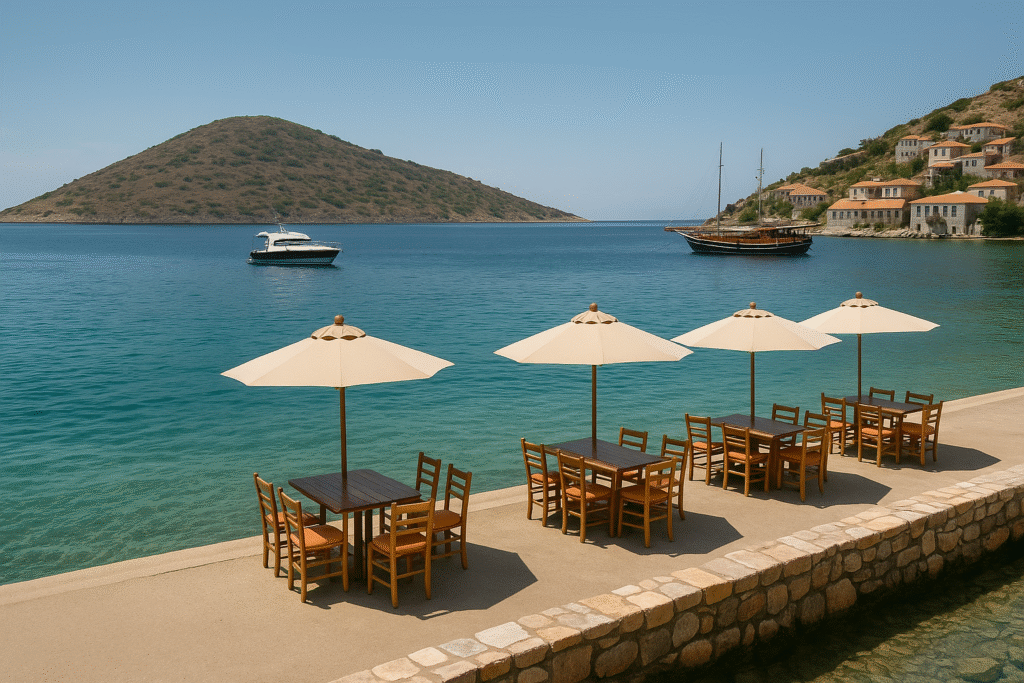
The Greek island of Lesvos, nestled just off the Turkish coast in the North Aegean region, is celebrating a major tourism milestone in 2025. By the end of September, the island recorded more than 100,000 arrivals from Turkey, alongside the issuance of roughly 26,000 Turkish visas, signalling a robust turnaround and an increasingly strategic role for the Turkish market in Lesvos’s tourism economy.
The growing Turkish-visitor segment follows systematic improvements in cross-border connectivity, streamlined visa procedures and a concerted pivot by island tourism authorities toward authentic, year-round travel experiences. For Lesvos, once challenged by a sharp tourism decline during recent crises, this resurgence marks a new chapter in its hospitality story.
Rise of the Turkish Market
According to regional data, Lesvos’s link to Turkey has become far more than a day-trip phenomena. The pilot visa-on-arrival programme—allowing Turkish nationals to obtain short-stay entry at island ports—played a pivotal role by lowering administrative barriers and encouraging swift cross-border movement. During recent seasons this move was credited with thousands of additional Turkish arrivals to Lesvos and its neighbouring islands.
Tourism stakeholders report that Turkish visitors are not only arriving in growing numbers but are also staying longer and spending more on accommodation, dining and local experiences. Short-stay itineraries of two to four nights are common, often focusing on cultural exploration, olive-oil tourism, gastronomic experiences and the island’s heritage towns rather than purely beach-side stays. Many of these visitors are now repeating visits, embedding themselves into the island’s off-peak periods and thereby helping diffuse tourism demand beyond peak summer months.
Economic Impacts for the Island
The surge of Turkish arrivals is injecting fresh vitality into Lesvos’s economy. Hotels, restaurants, cafes, ferry operators and local trades alike are seeing stronger demand thanks to the increased flow. Importantly, the impact is extending into the shoulder and winter seasons—helping temper the island’s historic reliance on high-summer tourism and encouraging businesses to sustain operations year-round.
Ferry links with the Turkish coast have grown in frequency, and local ports have reported higher throughput on Turkish routes during both peak and off-peak periods. This connectivity boost is a key enabler of the Turkish-market trend, and island authorities have identified further upgrades to port infrastructure and scheduling as priorities for sustaining long-term growth.
Local tourism-industry representatives emphasise that the Turkish market is now considered strategic. Its growing importance is prompting the island to reposition itself not just as a summer destination, but as a cultural-authentic, accessible travel alternative for visitors from Turkey and other nearby source markets.
Infrastructure, Connectivity and Policy Enablers
Key to the renewal have been connectivity and facilitation initiatives. The expansion of ferry services from Turkish ports, improved scheduling and clearer visa-on-arrival protocols have all contributed to greater access. Meanwhile, local tourism bodies have launched digital engagement tools designed to enhance visitor experience—such as interactive apps promoting thematic routes through Lesvos’s nature, heritage and gastronomy—further positioning the island as a year-round destination.
Even as arrivals grow, island stakeholders warn that infrastructure must keep pace. Port and terminal enhancements, better ferry reliability and digitalisation of visitor-processing systems are essential to maintain guest satisfaction. Without these, visitor growth could risk service bottlenecks or seasonal stress.
Destination Positioning and Visitor Behaviour
Historically lesser-known compared with Greece’s major sun-and-sea islands, Lesvos is carving a niche that emphasises slower-paced tourism, cultural authenticity and nature-based experiences. The island’s efforts to become an alternative to crowded destinations are bearing fruit: many Turkish travellers opt for Lesvos due to its proximity, accessibility and distinct charm.
While the majority of arrivals from Turkey presently follow short-stay patterns, longer stays tied to local experiences—heritage towns, olive-oil estates, spa springs, hiking and gastronomy—are gaining traction. This diversification of the visitor profile suggests a move away from purely beach-focused vacations toward more immersive stays.
Tourism operators on the island note that Turkish visitors are increasingly open to multi-night itineraries, exploring inland villages, engaging with local producers and returning for repeat visits. These trends carry positive implications for economic impact and for spreading tourism benefits more evenly across the year.
Strategic Outlook and Challenges
Despite the encouraging numbers, Lesvos faces key challenges to maintain momentum. Scaling accommodation capacity and service standards without overwhelming the island’s infrastructure and natural environment remains a top concern. Ensuring that tourism growth aligns with sustainability goals—keeping the island’s character intact while supporting visitor demand—is central to future planning.
Digital marketing and cross-border promotional campaigns targeting Turkish audiences are already underway, but further investments in transport links, multilingual services and visitor-experience design will be critical. Monitoring seasonality and balancing high- and low-season flows are likewise important, both for businesses and the local community.
The Bigger Picture for Greece
The rise of Turkish visitors to Lesvos fits into a broader pattern of tourism expansion across Greece. The country’s overall visitor arrivals recently climbed toward 35-40 million annually, reflecting growing demand and diversification of origin markets. For less dense islands such as Lesvos, this offers an opportunity to capture visitors seeking authenticity rather than mass-tourism conventions.
By tapping into regional proximity, cultural links and improved access, islands like Lesvos are emerging as compelling alternatives to more saturated destinations. The Turkish market‘s growth on Lesvos stands out as a case-study in cross-border tourism facilitation, strategic positioning and destination adaptation.
Conclusion
As of September 2025, Lesvos has achieved a landmark threshold of over 100,000 arrivals from Turkey and tens of thousands of associated visas—figures that signal a meaningful shift in the island’s tourism dynamics. With stronger connectivity, evolving visitor behaviour and a growing role for the Turkish market in its economy, Lesvos is poised for sustained growth. Yet the journey ahead will require careful balancing of infrastructure, authenticity and sustainability. If managed well, the island stands to become a model for cross-border tourism development in the Aegean region—and a destination worth watching for travellers seeking a meaningful Greek-island experience.
For more travel news like this, keep reading Global Travel Wire